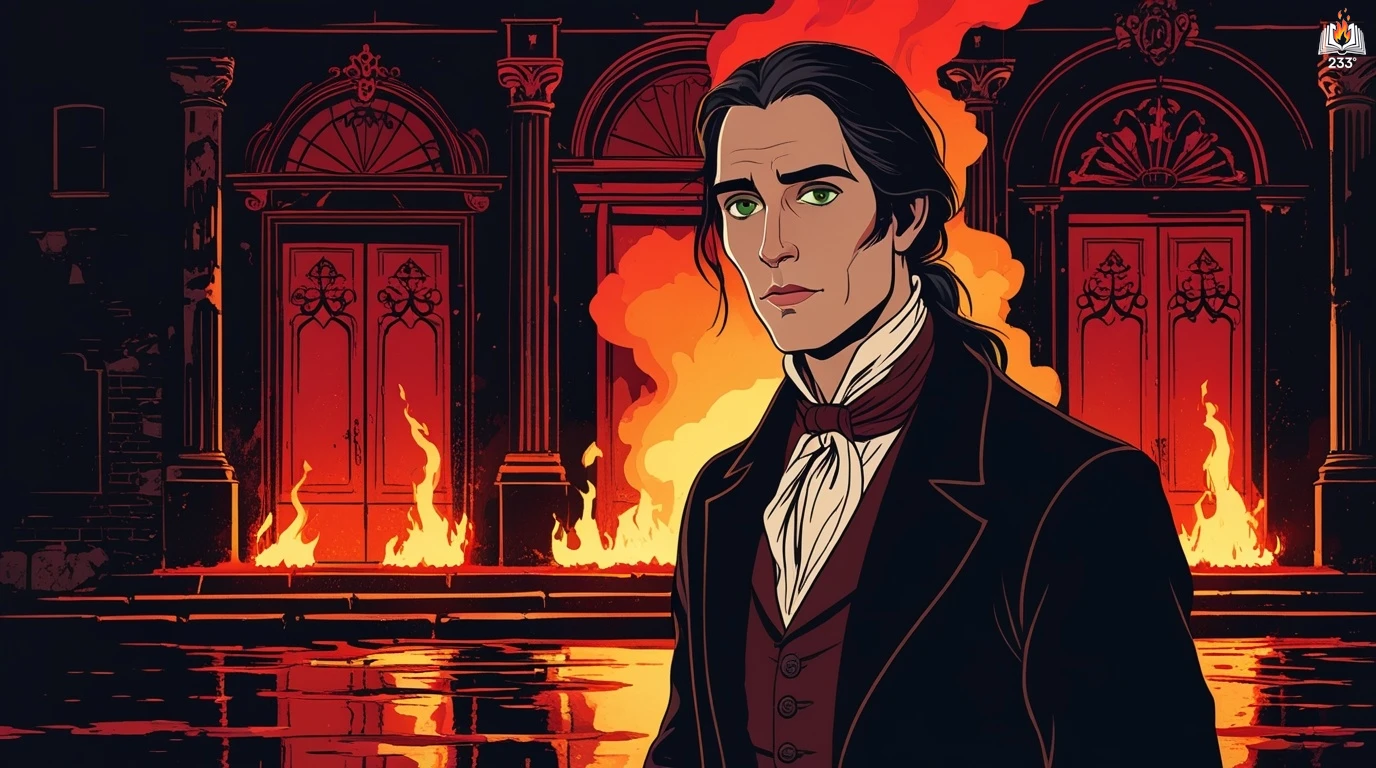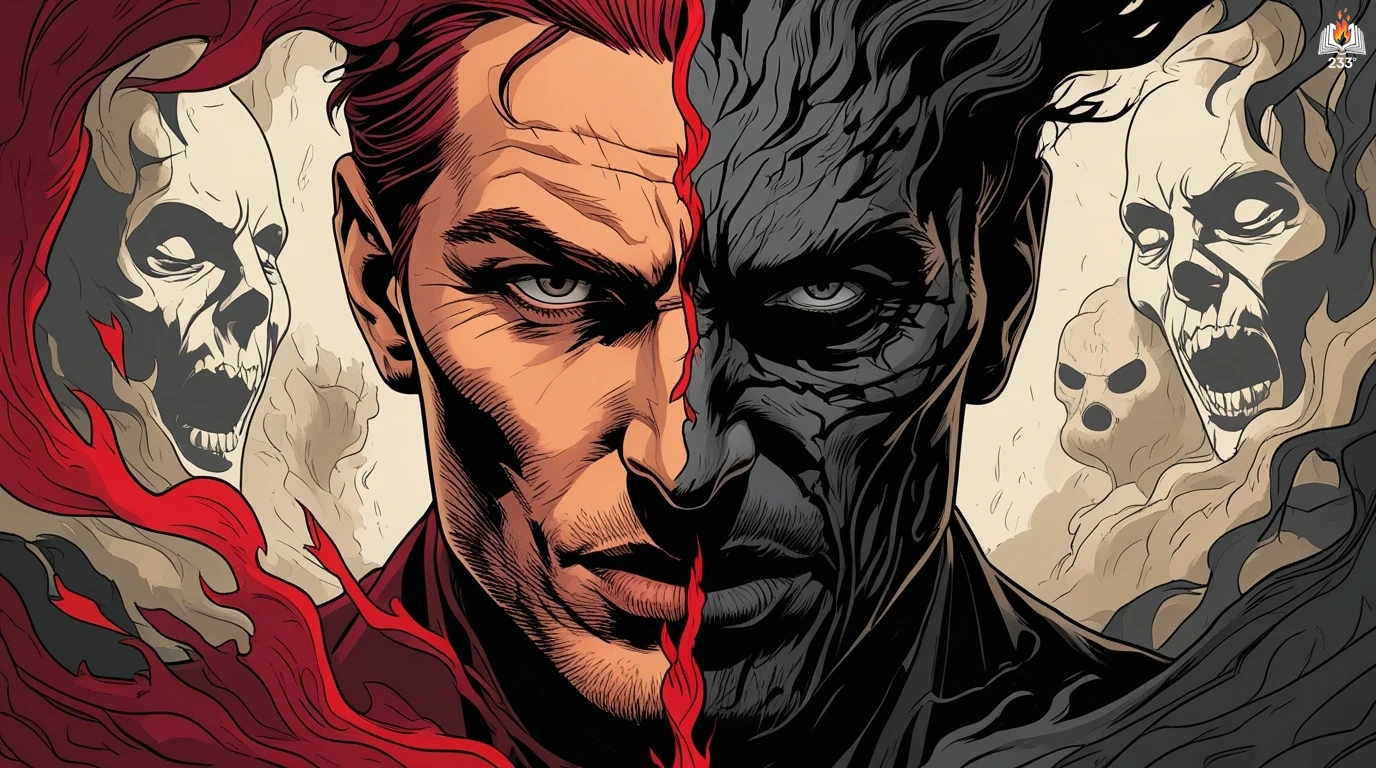
The Tale of the Body Thief by Anne Rice, published in 1992, is the fourth installment in her celebrated series The Vampire Chronicles. In this thrilling and introspective volume, Rice returns to her iconic antihero, Lestat de Lioncourt, chronicling a deeply personal and supernatural journey set in a vividly modern world. Grappling with existential dread and overwhelming ennui, Lestat finds himself seduced into a dangerous game – the chance to escape his immortal body for a mortal one. What unfolds is a tale steeped in metaphysical mystery, emotional reckoning, and philosophical inquiry, pushing the bounds of the series beyond bloodlust into a psychological and spiritual odyssey.
Plot Summary
In the glittering, feverish sprawl of Miami, a vampire stalks the city of endless dusk. Lestat de Lioncourt, ancient and eternally youthful, beautiful as a fallen angel and twice as damned, hunts the kind of prey that feeds not just his thirst but his warped sense of justice – a serial killer who preys on the elderly. Yet satisfaction is fleeting. Even blood, the thick river that binds his kind to life, cannot silence the ache inside him. He is weary of immortality, heavy with grief for lost companions and centuries of meaningless indulgence.
Lestat dreams – of Claudia, the child vampire he made and lost to fire and judgment; of David Talbot, his mortal friend from the Talamasca, whose aging body carries wisdom and resistance in equal measure. David refuses the Dark Gift with grace, and yet Lestat returns to him, drawn by something he cannot name. Restless, aching, he begins to imagine what it might be like to feel cold, pain, fear – the sensations of a body still bound to human frailty.
Then, like a shadow blooming in his path, comes Raglan James – a trickster, a psychic thief, a man with the power to leave his body and possess another. James offers the unthinkable: a chance for Lestat to abandon his immortal shell and slip into a human frame once more. For a short time. A brief escape. A temporary surrender to the pleasures and limitations of flesh. Against David’s pleading and all his own better instincts, Lestat agrees.
But the deal is a lie. The moment his consciousness leaves his vampiric body, James vanishes into it, sealing the switch. Lestat awakens in a frail, sickly, human form – ill-fed, drug-ravaged, vulnerable in every way. The hunger is now mortal. The cold bites. His strength is gone. And worst of all, he is alone. James, now in Lestat’s powerful body, disappears into the world, leaving no trail behind.
Lestat, stripped of his power, falls into agony and near-death. A hospital takes him in, but his undead mind rebels at mortality. He cannot eat without retching. Pain wracks his limbs. He is weak, infected, and nearly insane from the loss of his senses. Yet something stirs – a desperate, wild drive to reclaim what was stolen. He escapes the hospital, ragged and trembling, and finds David.
David, loyal and furious, agrees to help. Through his connections and research, they begin the hunt for Raglan James, who now lives lavishly in Lestat’s immortal form, feeding on the blood of the innocent, reveling in the stolen power. James is clever, and worse, he is curious – indulging every vice and temptation that Lestat’s conscience, even at its weakest, would not allow.
Tracking James becomes a battle of minds and wills. Lestat must learn to be human again just to survive – to walk in the sun, to eat, to endure the ceaseless need of the flesh. He feels pity, anger, terror. He experiences love in its raw, unfiltered form. A woman touches his soul, igniting a desire both erotic and tender, but he cannot forget who – and what – he truly is. The body may be human, but the soul remains a vampire.
The chase winds through cities and memories. David warns Lestat again and again that reclaiming his body may be impossible. And if it is possible, it will come at a terrible cost. Still, Lestat is determined. The thirst within him is not just for blood now, but for identity, for the sacred geometry of self. When he confronts James, it is not with strength, but desperation. James toys with him, taunting, playing god. But Lestat’s hunger – for vengeance, for truth, for his body – drives him beyond reason.
With David’s help, they devise a trap. Using a spiritualist ruse, they bait James into leaving the vampire body once more. It is a dangerous gamble. A failure would mean the death of them all. But it works – barely. In the moment of transition, Lestat’s soul claws its way back into its rightful place. Pain returns, but so does power. The furnace of immortality burns again in his veins. And with it comes fury.
Lestat ends Raglan James. There is no theatrical flourish. Just justice. The soul thief is extinguished. But the taste of mortality remains – like ash on Lestat’s tongue, like perfume clinging to a lover long gone. He cannot forget what it felt like to be human – the weakness, yes, but also the beauty. The sunrise. The ache of loss. The weight of love.
He returns to David, changed. The friendship, once built on curiosity and cautious affection, deepens into something more intimate and painful. And now, Lestat offers David the same gift he has offered many times – immortality. Not as a temptation, but as a covenant. This time, David does not refuse.
Lestat finds a dying body, young and strong, that David might possess. The Talamasca elder, once so wise and careful, crosses the threshold. He enters the new body, and then drinks from Lestat – sealing the transformation. The human is gone. David Talbot, vampire, is born.
But this, too, is not without consequences. Lestat is haunted by what they’ve done. By the weight of what David has become. By the loneliness of sharing eternity with another soul touched by guilt and desire. They are no longer mortal and immortal, but brothers in damnation. And though Lestat has regained his power, he cannot forget the fleeting grace of being weak.
The world stretches before them, vast and indifferent. The cities shine. The blood sings. But the cost of every act lingers, echoing in their immortal hearts. And far beyond the horizon, the questions that drove Lestat into the body of a man remain – unanswered, unresolved, eternal.
Main Characters
Lestat de Lioncourt – The flamboyant, impulsive, and charming vampire narrator. Centuries old yet forever youthful in appearance, Lestat is tormented by grief, loneliness, and a yearning for the sensation of mortality. His decision to switch bodies with a cunning trickster leads to profound revelations and suffering. He is a deeply contradictory figure – poetic and bloodthirsty, arrogant and vulnerable, irreverent yet occasionally tender. His voice drives the novel with flourish and fevered introspection.
David Talbot – The former Superior General of the Talamasca and Lestat’s closest mortal confidant. Wise, disciplined, and resistant to the temptation of immortality, David is both Lestat’s moral compass and his emotional anchor. As the narrative unfolds, David’s loyalty is tested as he’s drawn into Lestat’s dangerous scheme. Despite his age and human limitations, his mind and spirit reveal great courage and subtle ambition.
Raglan James – A body thief and psychic conman who entices Lestat into switching bodies with him. Charismatic yet untrustworthy, James is a master manipulator driven by base desires and self-preservation. He becomes the central antagonist, embodying deception, treachery, and the grotesque potential of unrestrained desire.
Louis de Pointe du Lac – Lestat’s melancholic vampire companion and emotional foil. Though he plays a lesser role in this volume, his appearance marks a grounding moment in Lestat’s chaotic journey, providing a sobering counterpoint to Lestat’s reckless ambition.
Claudia (in memory and dreams) – The tragic child vampire from Interview with the Vampire returns through Lestat’s dreams and memories, haunting him with guilt, sorrow, and unfulfilled longing. Her spectral presence underscores Lestat’s internal torment and desire for redemption.
Theme
The Burden of Immortality – Lestat’s weariness and restlessness arise from centuries of eternal life. Immortality, once seductive, becomes a prison of sensation without meaning. The novel probes the emotional and psychological toll of living forever, particularly without purpose or companionship.
Identity and the Soul – Central to the narrative is the philosophical question of what constitutes the self. When Lestat leaves his vampiric body, he faces the terrifying fragility of identity, confronting both his own humanity and his monstrous past.
Temptation and Consequence – Lestat is seduced by the possibility of reclaiming mortality. But like Faust, he pays a heavy price. This theme explores how desire can cloud judgment, leading to irreversible actions with moral and existential costs.
Friendship and Trust – Through his interactions with David, Lestat examines the nature of companionship, loyalty, and betrayal. In a world of deception and power, true friendship becomes both rare and invaluable.
The Illusion of Escape – Lestat’s journey is one of attempted escape – from his body, from guilt, from immortality. Yet the novel underscores the futility of fleeing from oneself. Redemption, if possible, comes not from evasion but confrontation.
Writing Style and Tone
Anne Rice’s prose is lush, operatic, and confessional. She employs a first-person narrative that fully immerses the reader in Lestat’s inner world, filled with poetic musings, sardonic commentary, and philosophical reflections. Her sentences are long, layered, and emotionally intense, often echoing the Gothic grandeur of 19th-century literature. Rice blends rich description with intimate introspection, crafting a voice for Lestat that is as flamboyant as it is deeply human.
The tone of The Tale of the Body Thief oscillates between melancholic and theatrical, tragic and ironic. Lestat’s voice is simultaneously arrogant and self-deprecating, often swinging between poetic lament and dark humor. Rice masterfully captures the existential fatigue of her immortal protagonist while injecting moments of sharp suspense, eerie sensuality, and vibrant dialogue. The mood is pervasively haunted, not only by literal ghosts but by memory, regret, and the inescapable weight of choice.
Quotes
The Tale of the Body Thief – Anne Rice (1992) Quotes
“So we reach into the raging chaos, and we cling to it, and we tell ourselves it has meaning, and that the world is good, and we are not evil, and we will all go home in the end.”
“Revenge is the concern of those who are at some point or other beaten. I am not beaten, I told myself. No, not beaten. And victory is far more interesting to contemplate than revenge.”
“One tiny flame could make so many other flames; one tiny flame could set afire a whole world.”
“I am not times fool, nor a god hardened by the millennia; I am not the trickster in the black cape nor the sorrowful wanderer. I have a conscience. I know right from wrong I know what I do and yes, I do it. I am the Vampire Lestat. That's your answer do with it as you will.”
“My conscience is killing me, isn't it? And when you're immortal that can be a really long and ignominious death”
“The evil of one murder is infinite, and my guilt is like my beauty - eternal. I cannot be forgiven, for there is no one to forgive me for all I've done.”
“He wears woe as others wear velvet; sorrow flatters him like the light of candles; tears become him like jewels.”
“So we reach into the raging chaos, and we pluck some small glittering thing, and we cling to it, and tell ourselves it has meaning, and that the world is good, and we are not evil, and we will all go home in the end.”
“Sometimes hate and love serve exactly the same purpose.”
“I’ll tell you, but you’ll never understand. You’re on the wrong side of the dark glass. Only the dead know how terrible it is to be alive.”
“Here's my love, not in little droplets, but from the very river of my being. It reaches all the way down to the roots of my being, tangling my heart in its burning mesh. For you. Drink deep.”
“What a miracle, I thought. One tiny flame could make so many other flames; one tiny flame could set afire a whole world. Why, I had, with this simple gesture, actually increased the sum total of light in the universe, had I not?”
“His beauty has always maddened me. I think I idealize him in my mind when I’m not with him; but then when I see him again I’m overcome.”
“I've watched two-year-old humans with interest for centuries. They're miserable. They rush about, fall down, and scream almost constantly. They hate being human! They know already that it's some sort of dirty trick.”
“When did this fiend strike last?" Ah . . . The last report was from the Dominican Republic. That was, let me see, two nights ago." Dominican Republic! Why in the world would he go there?" Exactly what I would like to know.”
“I don’t really believe I am a hero to the world. But I long ago decided that I must live as if I were a hero—that I must pass through all the difficulties which confront me, because they are only my inevitable circles of fire.”
“Of course there is a way to stop the rampant spread of beauty. It has to do with regimentation, conformity, assemblyline aesthetics, and the triumph of the functional over the haphazard.”
“You'll sing a song of victory eternally, though there is none to be had.”
“The second thing I believe is that all of us would be human again if we could.”
“I’d loved the satin lining of the box. I’d loved the shape, and the twilight act of rising from the dead. But no more ... ”
“What in hell was mortality? Shitting, pissing, eating, and then the same cycle all over again!”
We hope this summary has sparked your interest and would appreciate you following Celsius 233 on social media:
There’s a treasure trove of other fascinating book summaries waiting for you. Check out our collection of stories that inspire, thrill, and provoke thought, just like this one by checking out the Book Shelf or the Library
Remember, while our summaries capture the essence, they can never replace the full experience of reading the book. If this summary intrigued you, consider diving into the complete story – buy the book and immerse yourself in the author’s original work.
If you want to request a book summary, click here.
When Saurabh is not working/watching football/reading books/traveling, you can reach him via Twitter/X, LinkedIn, or Threads
Restart reading!