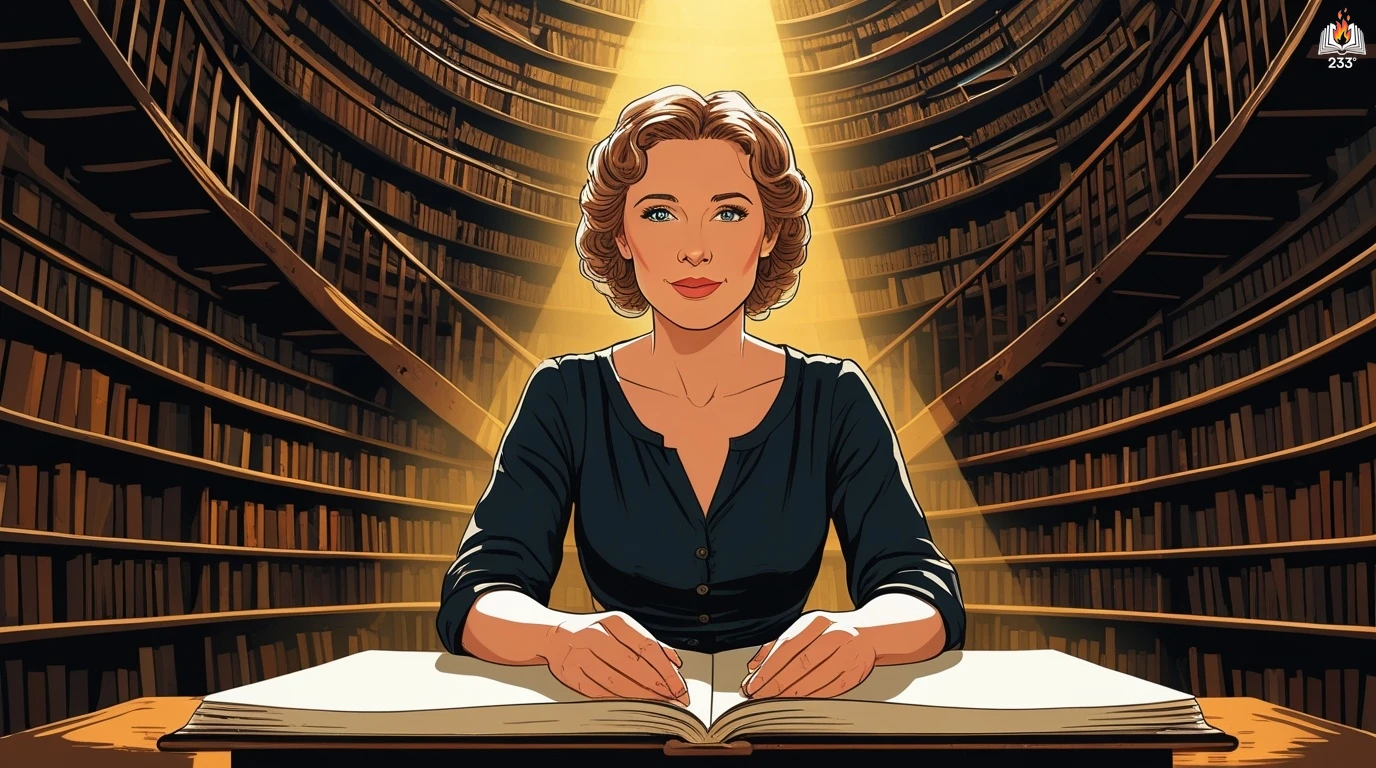
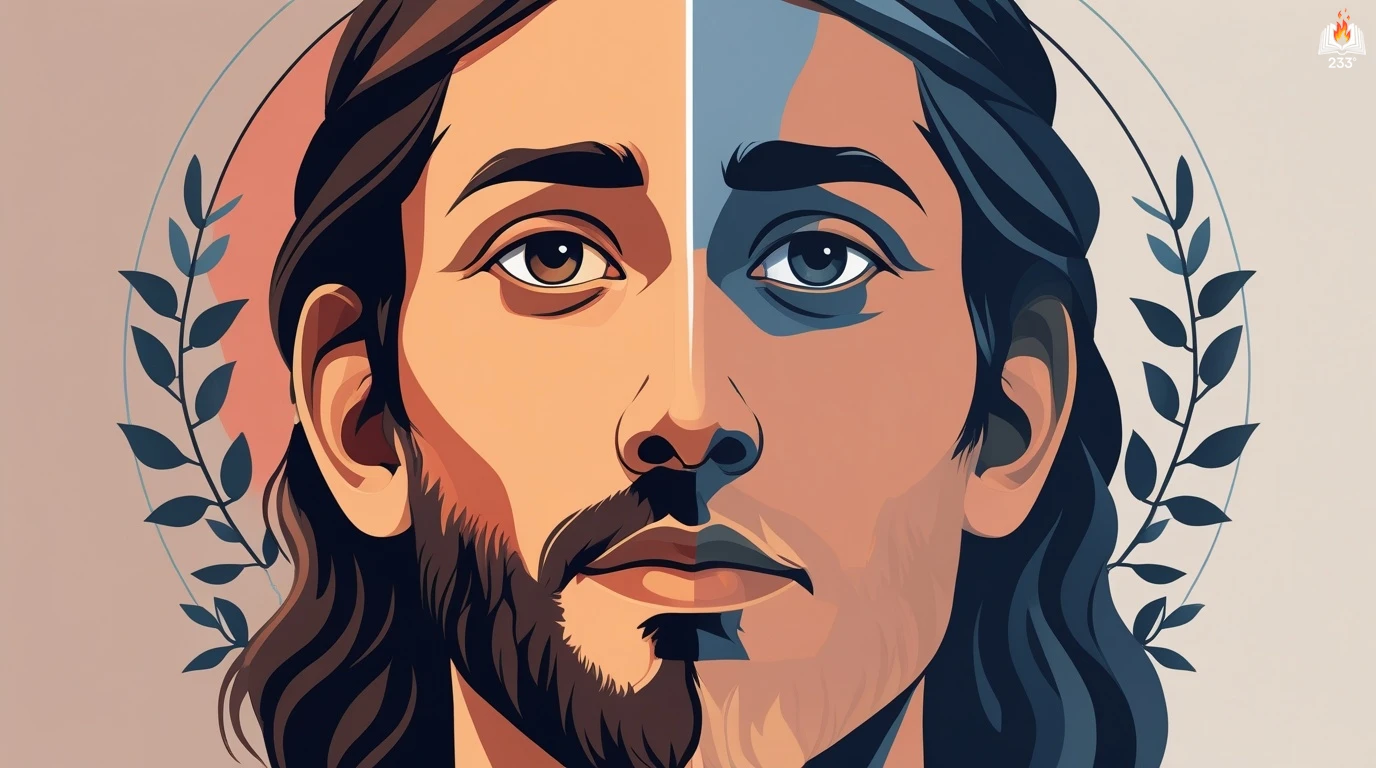
Death Comes as the End by Agatha Christie, published in 1944, is a historical mystery novel set in ancient Egypt around 2000 B.C., making it unique among Christie’s works. Drawing inspiration from translated Egyptian letters, Christie crafts a tense, claustrophobic domestic mystery in Thebes, where familial tensions, jealousies, and resentments boil over into murder within the household of the ka-priest Imhotep.
Plot Summary
On the west bank of the Nile, where the river gleamed beneath the Egyptian sun, Renisenb returned to her father’s house, grieving and hollowed by loss. Her husband Khay was dead, taken to the Kingdom of Osiris, and with her young daughter Teti in tow, she longed for the refuge of her childhood home. The great house of Imhotep, ka-priest and landowner, pulsed with familiar voices and rhythms. Yahmose, the eldest son, ever cautious and anxious; Sobek, bold and reckless; Ipy, the spoiled youngest; and the domineering Satipy, Yahmose’s wife, with Kait, motherly wife to Sobek. Amid their bickering, the quiet wisdom of Esa, Imhotep’s mother, watched from the shadows.
Yet peace would not last. Imhotep returned from the northern estates, not alone, but with Nofret, his young concubine, radiant and proud, her dark eyes filled with cold amusement. Her arrival cracked the brittle surface of the household. The women bristled at her presence, the men shifted uneasily. Only Henet, the ever-servile companion, smiled with false delight.
Days lengthened, and Nofret’s presence grew sharper, her tongue quick to lash, her disdain clear. She sowed discord with delicate precision, setting brother against brother, wife against husband. Yahmose fretted under her gaze, Sobek seethed, and Ipy, flush with youth, strutted beneath the favor she offered. Renisenb watched uneasily, sensing the walls of her once-safe home closing in. Only Hori, the quiet and steady steward, stood apart, observing with thoughtful eyes.
When Imhotep departed once more for his estates, he left behind a house fraying at its seams. He charged Yahmose with keeping order and entrusted Nofret to their care. But with the patriarch gone, old wounds reopened. Satipy seethed at every slight from Nofret, Kait nursed quiet grudges, and Sobek fumed over denied authority. Renisenb wandered the halls and gardens, longing for the laughter of the past, feeling change stir in the air.
The first crack came with death. Nofret, fierce and triumphant only days before, was found lifeless at the foot of the cliff path near the tombs. Whispers swept through the house – an accident, a slip on the treacherous stones. But beneath the murmurs, fear unfurled its tendrils. Esa’s sharp eyes saw the danger first, her voice a warning few wanted to hear.
As the house mourned or pretended to, a shadow lengthened over the family. Tensions flared. Sobek, restless and resentful, drank too deeply, his laughter edged with bitterness. Yahmose, burdened by duty, grew pale and drawn. Ipy, preening and sly, smirked at the discomfort of his brothers. And then, without warning, another death. Satipy collapsed, gasping and stricken, her voice raised in sharp protest one moment and stilled forever the next.
Now dread seeped into every corner. Trust withered. Conversations became wary, glances sharp, footsteps careful. Kait drew her children close, Henet whispered in corners, and Hori moved quietly through the house, a thoughtful figure among the restless. Renisenb, once so sure she had come home, walked through the rooms as if through a stranger’s dwelling. The safety she had clung to dissolved, and in its place rose suspicion.
As suspicion swirled, Yahmose grew ill, worn thin by the weight of fear. Sobek, reckless and wild, met his end next, his body lifeless after a fall that left more questions than answers. The pattern was clear to some – clear to Esa, who from her chair watched the family unravel. Clear to Hori, who measured each death, each quiet moment, each buried grudge. But to others, chaos ruled, and fear turned brother against brother, mother against son.
Henet, ever the shadow in the halls, was next. Her death silenced the corridors where she had once slipped unseen, her absence a hollow space that deepened the dread. The house, once filled with voices and quarrels, now echoed with silence and unease. Imhotep, called home at last, arrived to a place barely recognizable, his family diminished, his authority shattered.
Renisenb, who had clung to the past, now stood face to face with the truth Hori had spoken quietly before – that nothing remains unchanged, that beneath the surface of familiar things, rot can spread unseen. She watched her father rage, watched Ipy strut and demand, watched Kait clutch her children tightly. And through it all, she turned more and more to Hori, the only steady presence in a house trembling on the edge.
The deaths were no accidents, no vengeance from the gods. The danger had always been within, growing in silence. And when the truth came, it came with sharp, shattering clarity. Ipy, the youngest, the pet, the clever boy who had played on the weaknesses of his elders, had been the hand behind the deaths. His ambition, his greed, his cold contempt for the family that indulged him had driven the quiet murders, each step clearing his path to power.
But ambition can falter, and arrogance can slip. Hori, watchful and sure, caught the thread others missed, pulling at it until the pattern unraveled. Confronted, Ipy turned to fury, but his hands were no match for the net drawn around him. His end came swiftly, another body silenced in the house that had known too many.
When the dust settled and the silence deepened, Renisenb stood in the garden she had once run through as a child. Nothing was unchanged. The past could not be reclaimed. But in Hori’s quiet strength, she found a hand to steady her, a way forward through the wreckage. Imhotep, diminished and grieving, retreated into the rituals of his priesthood. Kait gathered her children close. Esa, the wise old matriarch, watched from her place, her sharp eyes softening at last.
And so, under the blazing sun by the river that had seen it all, life bent and reshaped itself, and the house of Imhotep, bruised but not broken, learned to breathe again.
Main Characters
Renisenb: A young widow returning to her father’s household, Renisenb is reflective and sensitive. Through her eyes, we witness the unraveling of family peace. She craves the comfort of home but gradually realizes that both she and the household have changed irrevocably, forcing her to confront adult fears and betrayals.
Imhotep: The domineering and self-important ka-priest, Imhotep is obsessed with control over his estate and family. His impulsive decision to bring home a young concubine, Nofret, shatters the already fragile balance among his children, sparking a series of deadly consequences.
Yahmose: The eldest son, Yahmose is kind-hearted but weak-willed, often dominated by his wife Satipy and overlooked by his father. His struggle for recognition and his deep loyalty make him both a sympathetic and tragic figure.
Sobek: The brash, self-assured middle son, Sobek is reckless and ambitious, eager to assert his independence and resentful of his father’s dominance. His volatile nature contributes to the rising tensions in the family.
Ipy: The youngest son, spoiled and cunning, Ipy thrives on manipulation and favoritism, particularly from Imhotep, which fuels the family’s resentments and fractures.
Satipy: Yahmose’s domineering wife, Satipy is loud, demanding, and ruthlessly determined to secure her position in the household, often bullying others to get her way.
Kait: Sobek’s gentle and maternal wife, Kait is devoted to her children and husband, largely uninterested in family politics but ultimately drawn into the web of suspicion and conflict.
Nofret: Imhotep’s young and beautiful concubine, Nofret is proud, manipulative, and cold, whose arrival disrupts the household and incites bitter jealousy, becoming the spark for the unfolding tragedy.
Henet: The sly, self-pitying companion in the household, Henet constantly inserts herself into others’ affairs under the guise of helpfulness, subtly fueling discord and suspicion.
Esa: Imhotep’s sharp-witted elderly mother, Esa serves as the household’s voice of wisdom and insight, quietly observing the underlying tensions and often seeing the danger before others.
Hori: Imhotep’s loyal steward, Hori is wise, steady, and perceptive. Though not a family member, his keen observations and moral integrity make him a critical figure in the mystery.
Theme
Jealousy and Power Dynamics: The novel revolves around the destructive nature of jealousy – whether between siblings, spouses, or servants. Christie dissects how the desire for control and recognition within a family can spiral into fatal conflict.
Change vs. Tradition: Renisenb’s return home symbolizes the clash between longing for an unchanged past and the harsh reality of change. The characters grapple with shifts in status, authority, and love, underscoring the impossibility of clinging to the past.
Death and the Afterlife: Set in ancient Egypt, the novel is steeped in themes of mortality, burial rites, and the ka (spirit). Death is not only an event but a presence in the household, casting a shadow over relationships and choices.
Isolation and Suspicion: Christie masterfully uses the closed environment of Imhotep’s household to heighten feelings of claustrophobia. As murders occur, suspicion turns inward, isolating individuals and corroding trust.
Writing Style and Tone
Agatha Christie’s writing in Death Comes as the End is notably atmospheric and restrained, with a subtle yet mounting sense of dread. She meticulously evokes the setting of ancient Egypt without overwhelming the reader with historical detail, focusing instead on the universal human tensions at play. The narrative flows with a quiet, simmering intensity that gradually escalates into psychological and physical violence.
Christie’s tone is one of sharp observation blended with cool detachment, allowing readers to witness the disintegration of the household with both empathy and a clinical eye. Her dialogue is crisp and revealing, often using understatement to heighten emotional weight. The novel’s pacing balances moments of domestic quiet with bursts of tension, crafting a mood that is both reflective and suspenseful. Christie’s deft handling of multiple character viewpoints adds complexity, as we see shifting loyalties and rising paranoia through a variety of lenses.
Quotes
Death Comes As End – Agatha Christie (1944) Quotes
“Fear is incomplete knowledge”
“Courage is the resolution to face the unforeseen.”
“The rottenness comes from within.”
“A trifle, a little, the likeness of a dream. And death comes as the end.”
“Sometimes what you think is an end is only a beginning. And that wouldn't do at all.”
“Let us think only of the good days that are to come.”
“All life is a jest, Imhotep - and it is death who laughs last. Do you not hear it at every feast? Eat, drink and be merry, for tomorrow you die.”
“But it is not always the people who say most who do most.”
“It's as easy to utter lies as truth”
“You are not the happy, unthinking child you have always appeared to be, accepting everything at its face value. You are not just one of the women of the household. You are Renisenb who wants to think for herself, who wonders about other people.”
“It is the kind of thing that happens to you when you are stupid," said Esa. "Things go entirely differently from the way you planned them.”
“But remember this: Men are made fools by the gleaming limbs of women, and lo, in a minute they are become discoloured cornelians. . . Her voice deepened as she quoted: "A trifle, a little, the likeness of a dream, and death comes as the end. . . .”
“It can happen that if anyone is talking to a person they know cannot see well, they are careless. They permit themselves an expression of face that on other occasions they would not allow.”
“But what really happens after you are dead - that is what I want to know? I cannot tell you Renisenb. You should ask a priest these questions. He would just give me the usual answers. I want to know. We shall none of us know until we are dead ourselves.”
“That is the word of reality - need.”
“Proof must be solid break walls of facts.”
“Although everyone knows death comes in the end, you have this stupid mind which keeps on saying, 'But I won't die today . . .' right up to the moment of death!”
“Is it so unusual for a man to bring home a concubine?" "Not at all unusual. Men are usually fools.”
“Those words of hers had meant nothing - you could not dismiss [however] a human being so easily.”
We hope this summary has sparked your interest and would appreciate you following Celsius 233 on social media:
There’s a treasure trove of other fascinating book summaries waiting for you. Check out our collection of stories that inspire, thrill, and provoke thought, just like this one by checking out the Book Shelf or the Library
Remember, while our summaries capture the essence, they can never replace the full experience of reading the book. If this summary intrigued you, consider diving into the complete story – buy the book and immerse yourself in the author’s original work.
If you want to request a book summary, click here.
When Saurabh is not working/watching football/reading books/traveling, you can reach him via Twitter/X, LinkedIn, or Threads
Restart reading!