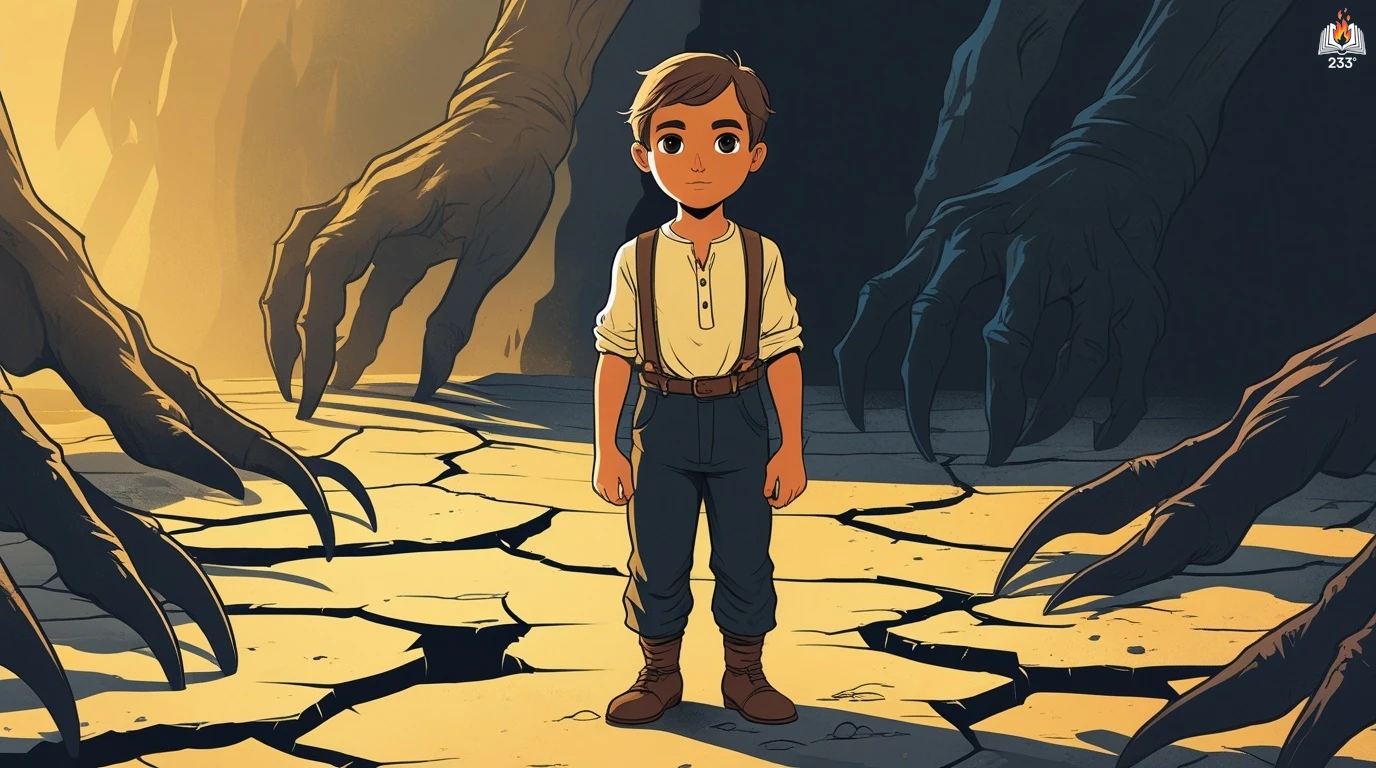


The Crystal City (2003) by Orson Scott Card is the sixth novel in the acclaimed Tales of Alvin Maker series, an alternate history fantasy saga set in early 19th-century America. The novel continues the journey of Alvin Miller, the seventh son of a seventh son and a Maker—a man with the mystical ability to shape matter and destiny—on his quest to build a utopian city where people of all backgrounds can live in peace.
Plot Summary
Along the bustling docks of Nueva Barcelona, Alvin Miller arrived with a heavy heart, accompanied by the spirited Arthur Stuart, the half-black boy who posed as his servant but was more like a younger brother. The steamboats roared along the Mizzippy, their smoke trailing into the sky, and Alvin felt the weight of a destiny that pressed harder than the heat or the chatter of foreign tongues. A Maker with power to shape and heal, Alvin had come seeking purpose, haunted by past failures, including the loss of his own child. Though his wife, Peggy, had sent him on this journey with hopes of guiding him from afar, Alvin often wondered whether he was meant to do anything at all.
Alvin’s arrival brought him into the orbit of Abe, a tall, bony man with a sharp wit and a kind heart. Alongside them, Coz, a friend easily distracted by women and drink, bumbled his way into trouble, only to be rescued by Alvin’s quiet knack and Arthur’s sharp eyes. Their bond grew over shared meals and moments of laughter, but under the surface stirred deeper currents. Alvin carried not only his skill as a blacksmith but the burden of a golden plow, a symbol of promise that he kept hidden, uncertain of when or how it might fulfill its purpose.
In the alleys and taverns of Barcy, as they called it, Alvin witnessed a city trembling between cultures – Spanish, French, English – and divided by race and power. Arthur, always quick with a clever word, challenged the narrow ways of the world, his boldness balanced by Alvin’s quiet resolve. Even as they crossed paths with thieves, rescuing Coz from a foolish dalliance, Alvin worked unseen, returning stolen gold to the poor without leaving his mark. But for all his power, Alvin remained a man at war with himself, doubting whether his gifts truly served any greater good.
Their search for lodging led them to the home of Mama Squirrel and Papa Moose, a house that vibrated with life and purpose. Here lived dozens of children, black and white, the abandoned and the unwanted, bound together by love and the steady guidance of two extraordinary souls. Papa Moose, with his clubbed foot, and Mama Squirrel, sharp-eyed and warm, taught the children in secret, defying laws that forbade the education of those deemed lesser. In their attic, Alvin and Arthur found shelter, and for the first time in days, Alvin felt a flicker of peace. Yet the nagging question of why Peggy had sent him here remained, and Alvin feared he was only drifting, a man meant to shape the world but lost in its shifting currents.
The peace was soon pierced by the desperate plea of a girl named Dead Mary, whose mother lay dying of yellow fever. Against his own doubts, Alvin followed her into the swamps, where the air hung thick with the hum of mosquitoes and the scent of decay. In a crumbling shack on stilts, he found the woman, her skin jaundiced, her breath ragged, as death hovered near. Alvin reached into the flesh, mending the torn vessels, clearing the poisoned blood, and coaxing the liver back toward life. It was no grand miracle, only the work of a man using what gifts he could, but when the woman opened her eyes and whispered to her daughter, a ripple spread through the city.
The word traveled fast, as it always does when desperation clings to every corner. At the fountain, where Alvin had cleansed the tainted water, crowds now gathered, speaking of healing and blessing. Arthur, ever the watchful companion, fended off curious strangers, guarding the water jugs as if they carried the secrets of life itself. Together they returned to Mama Squirrel’s house, where soup simmered, children jostled, and laughter rang through the halls. Alvin poured the water into the cistern, knowing the change was small but meaningful.
Yet even as Alvin gave life, darkness stirred. The mosquitoes, fed on the healed woman’s blood, carried their poison through the city, and the fever spread like a whisper on the wind. What began as a single act of mercy rippled outward, leaving Alvin to wonder if his making ever truly outweighed the Unmaker’s relentless unraveling. Still, he pressed on, guided not by certainty but by the stubborn flicker of hope.
The days in Barcy drew Alvin deeper into the hearts of those around him. Mama Squirrel’s home pulsed with the noise of children reading by candlelight, defying the laws that sought to keep their minds in chains. Papa Moose moved among them with quiet dignity, and in their company, Alvin glimpsed the kind of world he longed to build. Yet beneath the joy, a shadow lurked in Alvin’s heart – the fear that no matter how much he built, the world would find a way to tear it down.
In the midst of this, Alvin’s bond with Arthur grew, shaped by shared burdens and quiet defiance. Arthur, eager to learn the art of makery, tested his abilities, sometimes recklessly, sometimes with wonder. His knack for language, his sharp wit, and his restless spirit reminded Alvin that making was more than shaping metal or mending wounds – it was shaping lives, carving hope out of hardship.
Their paths crossed once more with Abe, who, beneath his humor, carried the weight of his own struggles. Abe saw in Alvin a kindred spirit, a man caught between the pull of destiny and the ache of ordinary life. Their farewell was marked not by fanfare but by the quiet promise of friendship, a thread that would stretch across time and distance.
In the attic of Mama Squirrel’s house, Alvin hid the golden plow in the chimney, its warm glow fading into the bricks. He spoke to it softly, wondering what good it had done to carry it all these years. His hands, skilled and strong, had healed bodies and shaped iron, but the world’s wounds ran deeper than any one man could mend.
When the time came to haul water again, Alvin and Arthur walked side by side, the heavy jugs balanced on their shoulders. Along the streets of Barcy, the people whispered of miracles, of healing, of a man who could cleanse water and cure fever. Alvin moved through them without pride, without expectation, knowing that his journey was far from over. In the quiet moments, in the laughter of children and the determined steps of a limping man, in the stubborn defiance of a boy who refused to be silent, Alvin found the faint outline of the Crystal City he was meant to build.
The city was not yet stone and mortar, not yet a place on any map, but it lived in these moments – in the lifting of a child’s face to the light, in the small rebellions that pushed back against cruelty, and in the weary but unbroken heart of a man still searching for his purpose.
Main Characters
Alvin Miller / Alvin Smith: A gifted and often tormented Maker, Alvin carries the burden of his destiny to create the Crystal City, a place of peace and unity. His deep compassion is balanced by self-doubt, as he wrestles with the limits of his abilities and the purpose of his mission. Over the course of the story, Alvin’s idealism is tested, and his relationships push him toward greater self-understanding.
Arthur Stuart: A mixed-race boy and Alvin’s closest companion, Arthur is spirited, clever, and sharp-tongued. Though playful, he’s deeply loyal and perceptive, often challenging Alvin’s assumptions. Arthur’s knack for language and his resilience in the face of prejudice make him a vital figure in Alvin’s life.
Peggy Larner: Alvin’s wife, a visionary “torch” who can see possible futures. Peggy’s determination and foresight are central to guiding Alvin, though their relationship is strained by the weight of prophecy and the demands of Alvin’s mission. Her quiet strength and sacrifice ripple throughout the novel, even when she’s physically absent.
Abe (Abraham Lincoln): A lanky, sharp-witted young man who becomes one of Alvin’s key allies. Abe’s humor, honesty, and moral clarity provide both comic relief and sobering insight, as he grapples with issues of justice and personal responsibility alongside Alvin.
Mama Squirrel and Papa Moose: The warmhearted couple running a makeshift orphanage. Their home serves as a microcosm of the community Alvin hopes to build, embodying resilience, compassion, and defiance in a world rife with inequality.
Theme
The Burden of Destiny: Alvin’s struggle with his role as a Maker reflects the tension between personal desire and cosmic responsibility. He grapples with doubt, failure, and the limits of his power, highlighting the emotional cost of carrying a grand purpose.
Race, Slavery, and Freedom: Set against the backdrop of a divided America, the novel explores themes of racial injustice and the longing for liberation. Through characters like Arthur Stuart and the enslaved people Alvin aids, Card examines the personal and societal consequences of prejudice.
Community and Belonging: The dream of the Crystal City symbolizes a universal longing for a society built on acceptance and cooperation. The novel probes the fragility of such a vision, showing how true community demands sacrifice, forgiveness, and shared labor.
Faith and Moral Complexity: Religious faith and moral choices run through the narrative, often intersecting in moments of tension. Alvin’s Maker gifts are intertwined with spiritual questions, while characters like Abe wrestle with the gap between ideals and reality.
Writing Style and Tone
Orson Scott Card’s writing in The Crystal City balances homespun charm with mythic resonance. His prose is rich with vernacular dialogue, giving characters a distinctive voice that feels grounded in the novel’s alternate American frontier. Humor often mingles with gravity, and the pacing alternates between quiet, reflective moments and bursts of action.
Card’s tone carries an undercurrent of melancholy and moral urgency. Even in scenes filled with banter or tenderness, a deeper current of unease runs beneath—whether it’s the looming threat of violence, the persistence of injustice, or Alvin’s gnawing doubts. The narrative voice, both intimate and mythic, invites readers to inhabit a world where history and folklore weave seamlessly together, creating a tapestry of wonder, struggle, and hope.
We hope this summary has sparked your interest and would appreciate you following Celsius 233 on social media:
There’s a treasure trove of other fascinating book summaries waiting for you. Check out our collection of stories that inspire, thrill, and provoke thought, just like this one by checking out the Book Shelf or the Library
Remember, while our summaries capture the essence, they can never replace the full experience of reading the book. If this summary intrigued you, consider diving into the complete story – buy the book and immerse yourself in the author’s original work.
If you want to request a book summary, click here.
When Saurabh is not working/watching football/reading books/traveling, you can reach him via Twitter/X, LinkedIn, or Threads
Restart reading!