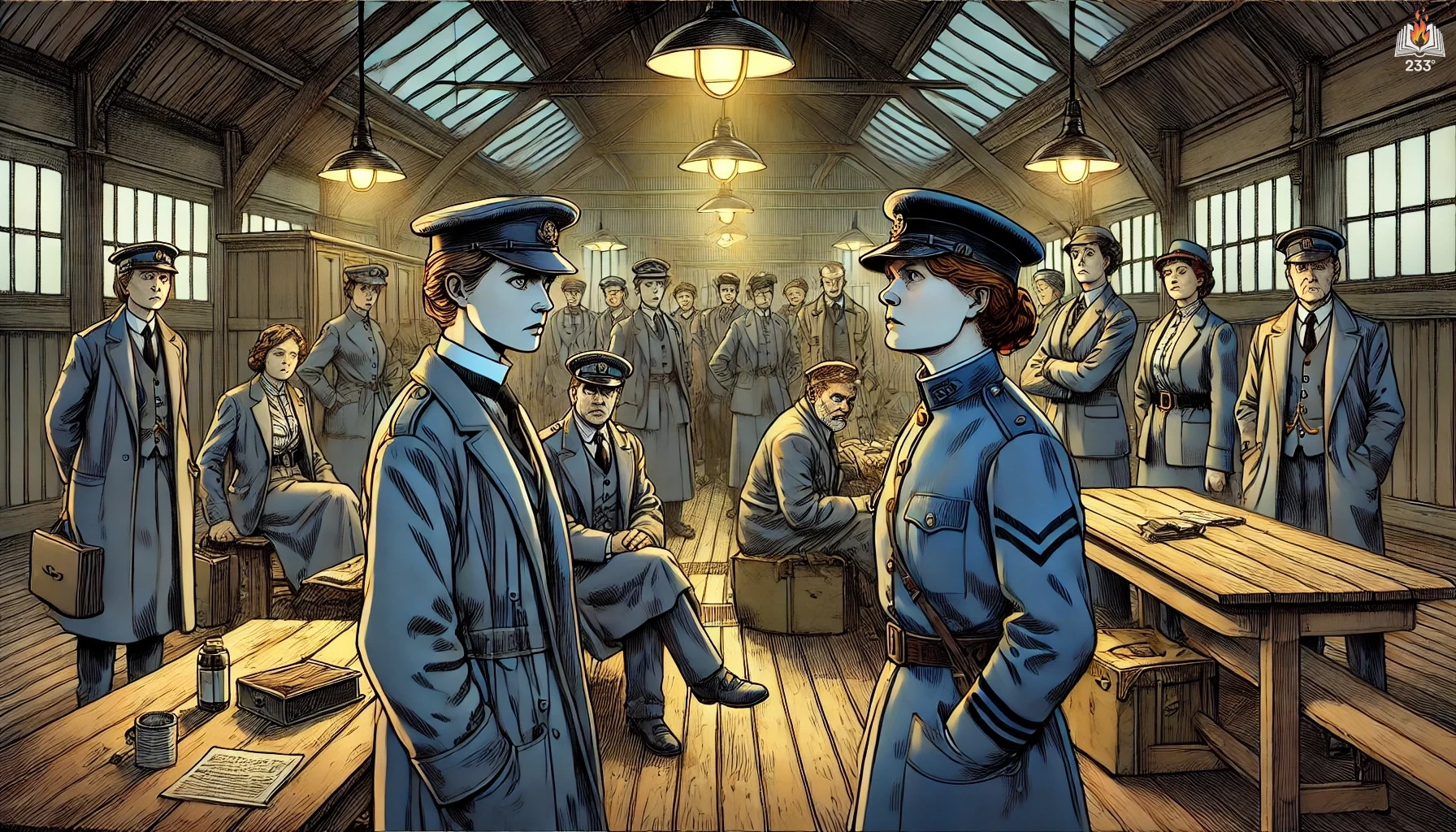


The Third Life of Grange Copeland by Alice Walker was published in 1970 and stands as her first novel, later followed by her acclaimed work The Color Purple. This deeply affecting narrative explores the brutal realities of generational trauma, racial oppression, and redemption through the life of a Black tenant farmer in the American South. Set in Georgia, the novel spans decades and traces the psychological, emotional, and moral evolution of its central character, Grange Copeland, amid the interlocking forces of poverty, racism, and familial cycles of abuse.
Plot Summary
In the searing heat of Georgia’s cotton fields, young Brownfield Copeland stood with wide, waiting eyes, watching his cousins vanish down the dusty road in their glittering green Buick. They had come from Philadelphia – a place where buildings stretched toward the sky and trash disappeared like magic – and now they were gone, leaving behind dreams that didn’t fit in a shack with peeling shingles and a yard littered with bones and wood scraps. Beside him, his mother’s silence trembled beneath the weight of poverty, and his father Grange remained a towering figure of bitterness and retreat, watching life with the haunted eyes of a man who had long since given up.
Grange, once full of promise, had been broken by the cruel machinery of debt and white landowners who traded souls for sacks of cotton. His face turned to stone whenever Mr. Shipley, the man who held his family in economic bondage, came to collect. That silent fury consumed him until, in a final shrug that dismissed even fatherhood, he left them behind. Brownfield, still just a boy, watched his father disappear into the woods and did not cry. When he found his mother and infant brother dead beside the well – poisoned by despair – the only thing left was anger, coiling deep in his chest like a waiting snake.
Shipley offered the same trap again, a house and work and debts disguised as kindness. Brownfield refused and walked away. He wandered through the pine-thick roads of the South, fed by strangers with eyes hollow from their own losses, until he reached a town with a bar called Fat Josie’s. Josie was large, clever, and voracious in body and will. She took Brownfield in and fed him scraps of desire, promising comfort while holding him in place like molasses on a plate. At first he swept her floors and chopped her wood, but soon he lived in her room, under her control, trapped in the very thing he had escaped.
Years passed and he married Mem, a proud, educated woman whose dignity clashed with the quiet violence bred into him. They had three daughters. Brownfield worked just enough to stay angry, and Mem endured his silences and scorn, but when he lost his job and the rage boiled over, she took the girls and fled to her parents’ home in the city. There, she found a semblance of peace, but Brownfield followed, seething with jealousy and a hunger for power. He begged, then threatened, then begged again, until Mem returned with him – not out of love, but weariness.
The beatings began. First behind closed doors, then in front of the children, and finally in public. Mem became quieter, her eyes dulled like stones left too long in the rain. One day, after another humiliation, she refused to submit. Brownfield took a shotgun and ended her life in a single brutal act. The law took him next, but not for long. He was poor, Black, and male – a danger to some, a nuisance to others, but never worth the cost of a trial. Sentenced lightly, he was soon free again, haunted not by guilt, but by a growing emptiness.
Ruth, his youngest daughter, had watched her mother die and her sisters scatter like startled birds. Taken in by Josie, she grew in the shadow of her father’s violence and her grandmother’s brothel. But salvation came not through punishment, nor through the broken systems of justice, but in the return of a man once lost.
Grange Copeland came back, aged and grim, with eyes that had seen the North and found no peace there. He returned to the South not in defeat, but with a strange and solemn clarity. When he learned of Margaret’s suicide and Mem’s murder, his grief did not roar – it settled, slow and cold, in his bones. He took Ruth from Josie and raised her as a daughter, guarding her life as though it were a sacred flame. For the first time in his long and battered life, he lived with purpose.
Grange and Ruth moved to a new town, bought a small patch of land, and made a quiet home. He tended the soil with hands that once sowed only sorrow and taught her not only to read and write, but to dream, to speak, to live without fear. As he aged, his movements slowed but his love deepened, and Ruth flourished beneath his watchful eyes.
Brownfield returned, bitter and full of entitlement, demanding a place in Ruth’s life. He believed fatherhood was a right, not something earned. Grange, knowing the path of destruction that trailed his son, refused. Brownfield tried persuasion, threats, even the courts. But Grange stood firm. He would protect Ruth at any cost.
One morning, as Grange prepared to walk with Ruth to school, Brownfield stepped from the trees with a gun. There was no hesitation in his eyes, only a cold, practiced fury. Grange saw the weapon and in that moment chose. He stepped between Ruth and death, and the bullet that Brownfield meant for his daughter struck the father instead.
Grange fell, but not before seeing Ruth’s face – not twisted in terror, but strong, steady, the child of a new generation. His third life ended not in regret, but in the quiet triumph of having broken the chain.
Brownfield was taken away. Ruth lived on, not untouched by grief, but unbroken. In the soft Georgia soil, she planted flowers where her grandfather was buried. The house stood, weathered and plain, but filled now with books and light and laughter – the kind that does not forget sorrow, but grows stronger from its roots.
Main Characters
Grange Copeland – A sharecropper trapped by a system of economic exploitation and racism. Initially emotionally distant and abusive, Grange flees his family, succumbing to disillusionment and guilt. However, his return marks the beginning of his third and most redemptive life. He strives to atone for past mistakes, particularly with his granddaughter Ruth, whom he raises with tenderness and moral guidance. Grange’s arc is one of spiritual and personal resurrection.
Brownfield Copeland – Grange’s son, who inherits his father’s bitterness and emotional violence. Abandoned by Grange and scarred by poverty and neglect, Brownfield grows into a deeply troubled man who perpetuates abuse, eventually murdering his wife. His story exemplifies how trauma begets trauma, and he serves as a tragic counterpoint to Grange’s eventual redemption.
Margaret Copeland – Grange’s submissive wife, burdened by poverty and emotional suppression. Her quiet strength and love are ultimately not enough to endure the oppressive conditions of her marriage and social position. Her suicide, along with her poisoned infant, is a tragic result of despair and domestic violence.
Mem (Memphis) Copeland – Brownfield’s educated and dignified wife. Mem is a representation of hope and upward mobility, but she becomes a target of Brownfield’s increasing resentment and rage. Her eventual murder by Brownfield is the novel’s most searing act of violence and a turning point in Brownfield’s descent.
Ruth Copeland – The daughter of Brownfield and Mem, Ruth is raised by Grange in his final, redemptive phase. She symbolizes hope, continuity, and the potential for healing generational wounds. Her presence allows Grange a second chance at fatherhood and moral purpose.
Theme
Generational Trauma and Cycles of Abuse: The novel vividly portrays how cycles of abuse, neglect, and self-loathing pass from father to son. Brownfield replicates the emotional abandonment and violence he experienced under Grange. The narrative’s structure around “three lives” captures the stages of failure, escape, and redemption.
Racism and Economic Exploitation: Alice Walker presents a stark view of the Southern sharecropping system as a form of modern-day slavery. The economic dependency on white landowners like Shipley not only traps Black families in debt but also distorts their identities and family structures. This dehumanization is felt in Grange’s emotional shutdown and in Brownfield’s internalized rage.
Masculinity and Power: The toxic form of masculinity that Grange and Brownfield both struggle with is tied to dominance, control, and emotional suppression. The novel critiques patriarchal norms within the Black family and community, showing how distorted power dynamics destroy intimacy and perpetuate suffering.
Redemption and Transformation: Grange’s third life, the most compelling portion of the novel, explores the idea that even those who have deeply erred can find purpose and change. Through his relationship with Ruth, Grange achieves a kind of spiritual rebirth, modeling healing and responsibility.
The Role of Women and Feminine Resilience: Women in the novel, especially Mem and Margaret, endure both societal and domestic violence with remarkable dignity. Despite being silenced or destroyed, they possess a strength that lingers in Ruth and fuels Grange’s final redemption. The suffering of women also serves as a moral indictment of both racial and patriarchal violence.
Writing Style and Tone
Alice Walker’s writing is rich, visceral, and deeply poetic. She does not shy away from the harsh realities of Black Southern life but instead renders them with startling emotional clarity. Her narrative unfolds with a mix of omniscient narration and close psychological interiority, especially when exploring the trauma and confusion of children like Brownfield or the silent anguish of women like Margaret. The language shifts fluidly between stark realism and lyrical beauty, bringing dignity even to the most painful moments.
The tone of the novel evolves significantly alongside its protagonist. Early on, the tone is grim, bitter, and suffocating – reflecting the emotional and economic imprisonment of its characters. As Grange begins his transformation, the tone softens, becoming reflective and even hopeful. The spiritual undercurrents grow stronger, and the narrative embraces the possibility of forgiveness, change, and new beginnings. This tonal shift underscores Walker’s belief in the resilience of the human spirit, even amid great darkness.
Quotes
The Third Life of Grange Copeland – Alice Walker (1970) Quotes
“A little love, a little buckshot, that's how I'd say handle yourself.”
“But I don't want you to fight 'em until you gits completely fagged so that you turns into a black cracker yourself! For then they bondage over you in complete.”
We hope this summary has sparked your interest and would appreciate you following Celsius 233 on social media:
There’s a treasure trove of other fascinating book summaries waiting for you. Check out our collection of stories that inspire, thrill, and provoke thought, just like this one by checking out the Book Shelf or the Library
Remember, while our summaries capture the essence, they can never replace the full experience of reading the book. If this summary intrigued you, consider diving into the complete story – buy the book and immerse yourself in the author’s original work.
If you want to request a book summary, click here.
When Saurabh is not working/watching football/reading books/traveling, you can reach him via Twitter/X, LinkedIn, or Threads
Restart reading!