
The Last Song by Nicholas Sparks, published in 2009, is a poignant tale of family, love, and redemption set in a small coastal town in North Carolina. The story follows 17-year-old Ronnie Miller as she spends a transformative summer with her estranged father, grappling with past mistakes, discovering love, and rekindling familial bonds. Known for its emotional depth, the novel blends themes of forgiveness and self-discovery with Sparks’ signature style of heartfelt storytelling.
https://pca.st/uq27xtit
Plot Summary
Seventeen-year-old Ronnie Miller was not looking forward to the summer. Her mother had decided it was time for her to spend some months with her father, Steve, in a small coastal town in North Carolina, a far cry from the bustling streets of New York City where she lived. Ronnie hadn’t spoken to her father in three years, ever since he left their family and her world unraveled. Resentful and angry, she entered the summer with a chip on her shoulder, determined to make it through without connecting with him.
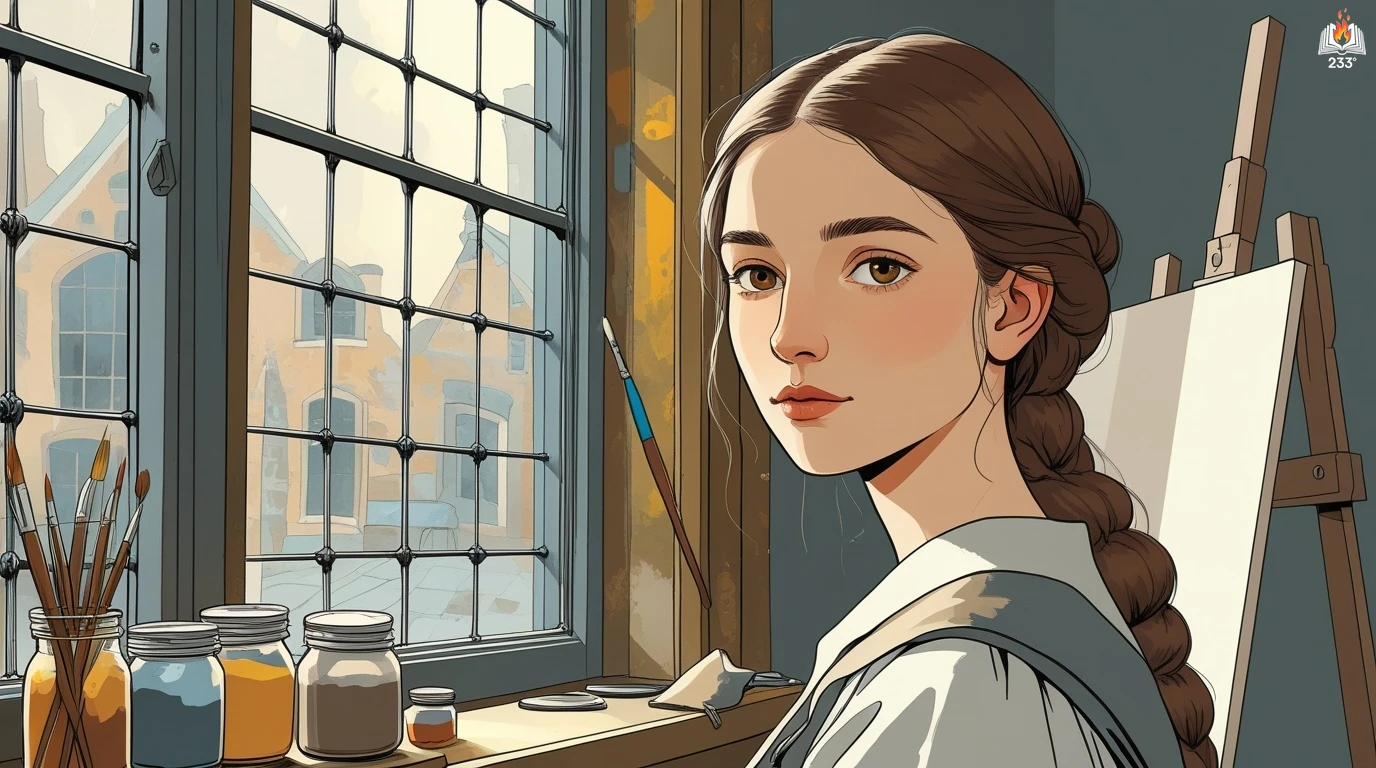
Steve, a former Juilliard professor and concert pianist, had retreated to the beachside town after his divorce. Quiet and reflective, he spent his days repairing a stained-glass window for a local church that had burned down, a project that brought him peace. He hoped the summer would allow him to reconnect with Ronnie and her younger brother, Jonah. Jonah, ever the optimist, relished the time with his father, diving into Steve’s projects and soaking up the summer sun with joy.
Ronnie, however, resisted every attempt her father made to engage her. She rejected his love of music, once a passion they had shared, and sought out ways to distance herself. Wandering the beach and the nearby carnival, she encountered Blaze, a troubled local girl, and her manipulative boyfriend, Marcus. Drawn into their world of petty crimes and rebellious behavior, Ronnie found herself in situations she neither liked nor understood. Marcus, in particular, exuded a dangerous charm that unsettled her.
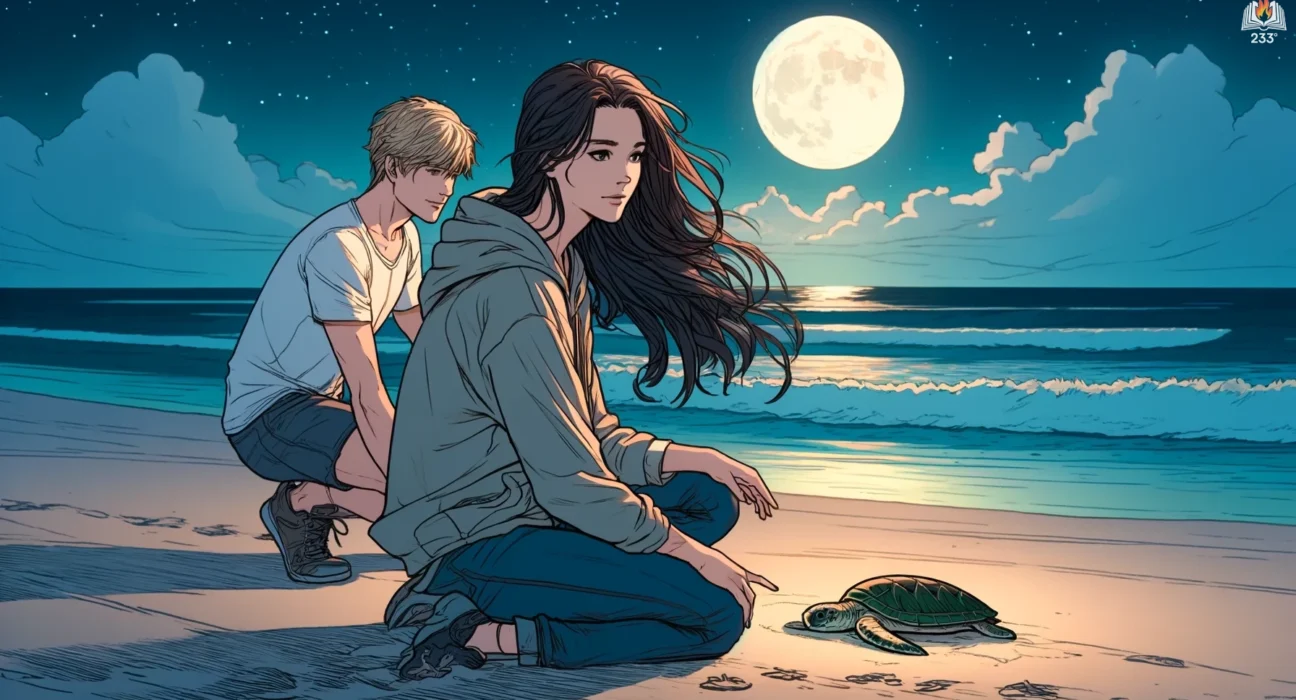
During one such outing, Ronnie stumbled upon a nest of sea turtle eggs on the beach. Uncertain but intrigued, she reported the nest to the local wildlife authorities and began guarding it from predators. This act of care unexpectedly brought her into contact with Will Blakelee, a volunteer from the aquarium and a local golden boy. Will, tall, charming, and easygoing, was everything Ronnie wasn’t looking for. Yet, there was an authenticity to him that disarmed her.
As Ronnie and Will spent more time together, the walls she had built around herself began to crumble. Will, too, was more than he appeared. Behind the effortless smiles and athletic prowess was a young man grappling with expectations from his wealthy family and the guilt of a tragic accident that had claimed a friend’s life. Together, they found a connection neither had anticipated, a love that bloomed amidst the summer heat.
Ronnie’s relationship with her father also began to shift. As she observed Steve’s quiet dedication to the stained-glass window and his gentle attempts to reach her, she began to soften. Music, once a shared love, became a bridge between them once again. Steve’s encouragement reminded her of the joy she had once felt in playing the piano, and she started to embrace it once more, rekindling her creative spirit.
However, shadows lingered. Blaze, jealous of Ronnie’s growing bond with Will and weary of Marcus’s influence, made a decision that nearly shattered Ronnie’s life. Framed for a crime she didn’t commit, Ronnie was forced to face the consequences of her choices and the fragility of trust. Blaze, wracked with guilt, eventually confessed, clearing Ronnie’s name but leaving an indelible mark on both their lives.
As the summer unfolded, Ronnie discovered a heartbreaking truth about her father. Steve was battling terminal cancer, a reality he had hidden to ensure the summer with his children would be filled with love and not pity. The revelation devastated Ronnie, but it also deepened her resolve to make the most of their remaining time. She threw herself into helping him finish the stained-glass window, a project that symbolized hope and renewal.
Will, ever by her side, offered his unwavering support, but their relationship was tested. Will’s family disapproved of Ronnie, seeing her as a distraction from his promising future. A misunderstanding widened the rift between them, and the pressures of their individual lives threatened to tear them apart. Yet, love has a way of finding its course, and both Ronnie and Will realized that their connection was worth fighting for.
As the summer drew to a close, the stained-glass window was completed and installed in the church. The community gathered to witness its beauty, a testament to Steve’s talent and perseverance. Ronnie, now transformed by the events of the summer, played a piano piece she had composed, a gift for her father. The melody spoke of love, forgiveness, and the ties that bind, bringing tears to Steve’s eyes.
In his final days, Steve found peace surrounded by his children. The moments they shared were filled with laughter, tears, and music, a reflection of the love that had endured despite years of separation. His passing was both sorrowful and beautiful, leaving Ronnie with a deeper understanding of life’s impermanence and the importance of cherishing those we hold dear.
As autumn approached, Ronnie returned to New York, but her heart was forever changed. Inspired by her father’s legacy, she decided to pursue music once more, not as an obligation but as a passion reborn. Though Will and Ronnie faced an uncertain future, their love remained steadfast, a beacon of hope for the journey ahead.
The summer that had begun with resentment and anger ended with forgiveness, love, and a profound sense of purpose. The ocean waves continued their rhythm, eternal and unyielding, much like the bonds between a father and his daughter, a girl and her first love, and the music that unites souls across time.
Main Characters
Ronnie Miller: A rebellious and talented teenager with a passion for piano, Ronnie’s journey is marked by a struggle to rebuild her relationship with her father while finding her place in the world. Her transformation from anger and defiance to self-awareness and acceptance forms the crux of the narrative.
Steve Miller: Ronnie’s father, a former concert pianist turned beachside recluse, grapples with his own regrets and terminal illness. His quiet wisdom and determination to reconnect with his children drive the emotional heart of the story.
Will Blakelee: A local boy with a privileged background and a love for volleyball, Will becomes Ronnie’s romantic interest. His charm and sincerity mask a personal struggle with guilt and expectations.
Jonah Miller: Ronnie’s younger brother, Jonah, serves as the glue in the family’s fractured relationships. His innocence and warmth provide moments of levity and hope.
Blaze and Marcus: Blaze, a troubled girl, and Marcus, her manipulative boyfriend, add tension to the story with their involvement in petty crime and deceit, impacting Ronnie’s summer.
Theme
Family and Forgiveness: The novel explores the complexities of familial relationships, particularly the bond between Ronnie and her father, emphasizing the healing power of forgiveness.
Love and Redemption: Through Ronnie and Will’s romance, the story highlights the redemptive nature of love, which fosters personal growth and emotional healing.
Mortality and Legacy: Steve’s illness underscores the transient nature of life, urging characters to cherish their relationships and leave a meaningful impact.
Music as a Metaphor: Music represents connection and emotional expression, playing a vital role in bridging the gap between Ronnie and her father.
Writing Style and Tone
Nicholas Sparks’ writing style in The Last Song is emotionally evocative and richly descriptive, capturing the charm of small-town life and the intensity of human emotions. His use of dual perspectives allows readers to delve deeply into the thoughts and growth of multiple characters. Sparks employs straightforward, accessible prose interspersed with moments of lyrical beauty, particularly when describing the natural surroundings and musical elements.
The tone of the novel oscillates between heartfelt poignancy and hopeful optimism. Sparks deftly balances the heavier themes of grief and loss with moments of humor, love, and familial warmth, creating a narrative that resonates deeply with readers.
Quotes
The Last Song – Nicholas Sparks (2008) Quotes
“Sometimes you have to be apart from people you love, but that doesn't make you love them any less. Sometimes you love them more.”
“Mom says it's because she has PMS. Do you even know what that means? "I'm not a little kid anymore. It means pissed-at- men syndrome”
“I mean, if the relationship can't survive the long term, why on earth would it be worth my time and energy for the short term?”
“Life, he realize, was much like a song. In the beginning there is mystery, in the end there is confirmation, but it's in the middle where all the emotion resides to make the whole thing worthwhile.”
“Truth only means something when it's hard to admit.”
“you have to love something before you can hate it.”
“In the end you should always do the right thing even if it's hard.”
“He stared at her, knowing with certainty that he was falling in love. He pulled her close and kissed her beneath a blanket of stars, wondering how on earth he'd been lucky enough to find her.”
“He was ordinary in a world that loved the extraordinary.”
“Emotions come and go and can't be controlled so there's no reason to worry about them. That in the end, people should be judged by their actions since in the end it was actions that defined everyone.”
“He liked her; it was as simple as that.”
“The pieces all fit together. Yet everything was falling apart.”
“She was a stranger now, but she'd been a friend once, and that was enough for him.”
“In a lifetime of mistakes, you two are the greatest things that have ever happened to me.”
“Never forget that God is your friend. And like all friends, He longs to hear what's been happening in your life. Good or bad, whether it's been full of sorrow or anger, or even when you're questioning why terrible things have to happen.”
“I call it God Light, because it reminds me of heaven. Every time the light shines through the window we built or any window at all, you'll know I'm right there with you, okay? That's going to be me. I'll be the light in the window.”
“Love is fragile. And we're not always its best caretakers. We just muddle through and do the best we can. And hope this fragile thing survives against all odds.”
“A story about family, first loves, second chances, and the moments in life that leads you back home”
“As far as I can tell, dumping soda on people is the equivalent of ‘Hi, it’s nice to meet you’ in this part of the world. Frankly, I think standard greetings work better, but what do I know?”
“People didn't change. they liked what they liked even if they didn't understand why.”
“There are guys who grow up thinking they'll settle down some distant time in the future, and there are guys who are ready for marriage as soon as they meet the right person. The former bore me, mainly because they're pathetic; and the latter, frankly are hard to find.”
“God, he suddenly understood, was love in its purest form, and in these last months with his children, he had felt His touch as surely as he had heard the music spilling from Ronnie's hands.”
“When I was seventeen, I don't think I even knew what love was. But when it's right, it's right, and you just know it.”
“Change not only was inevitable, but usually brought its own rewards.”
“At times, he even admitted that he'd been more an observer of the world than a participant in it...”
We hope this summary has sparked your interest and would appreciate you following Celsius 233 on social media:
There’s a treasure trove of other fascinating book summaries waiting for you. Check out our collection of stories that inspire, thrill, and provoke thought, just like this one by checking out the Book Shelf or the Library
Remember, while our summaries capture the essence, they can never replace the full experience of reading the book. If this summary intrigued you, consider diving into the complete story – buy the book and immerse yourself in the author’s original work.
If you want to request a book summary, click here.
When Saurabh is not working/watching football/reading books/traveling, you can reach him via Twitter/X, LinkedIn, or Threads
Restart reading!