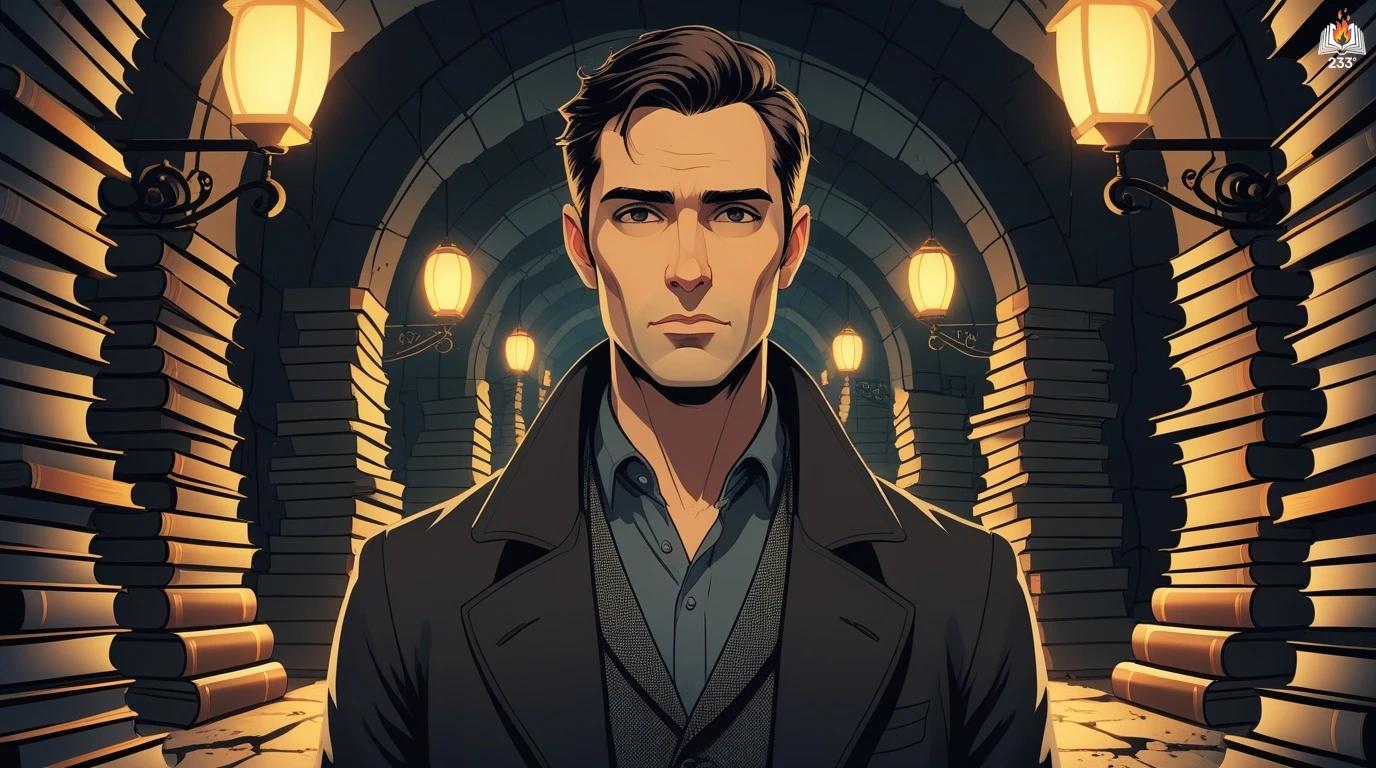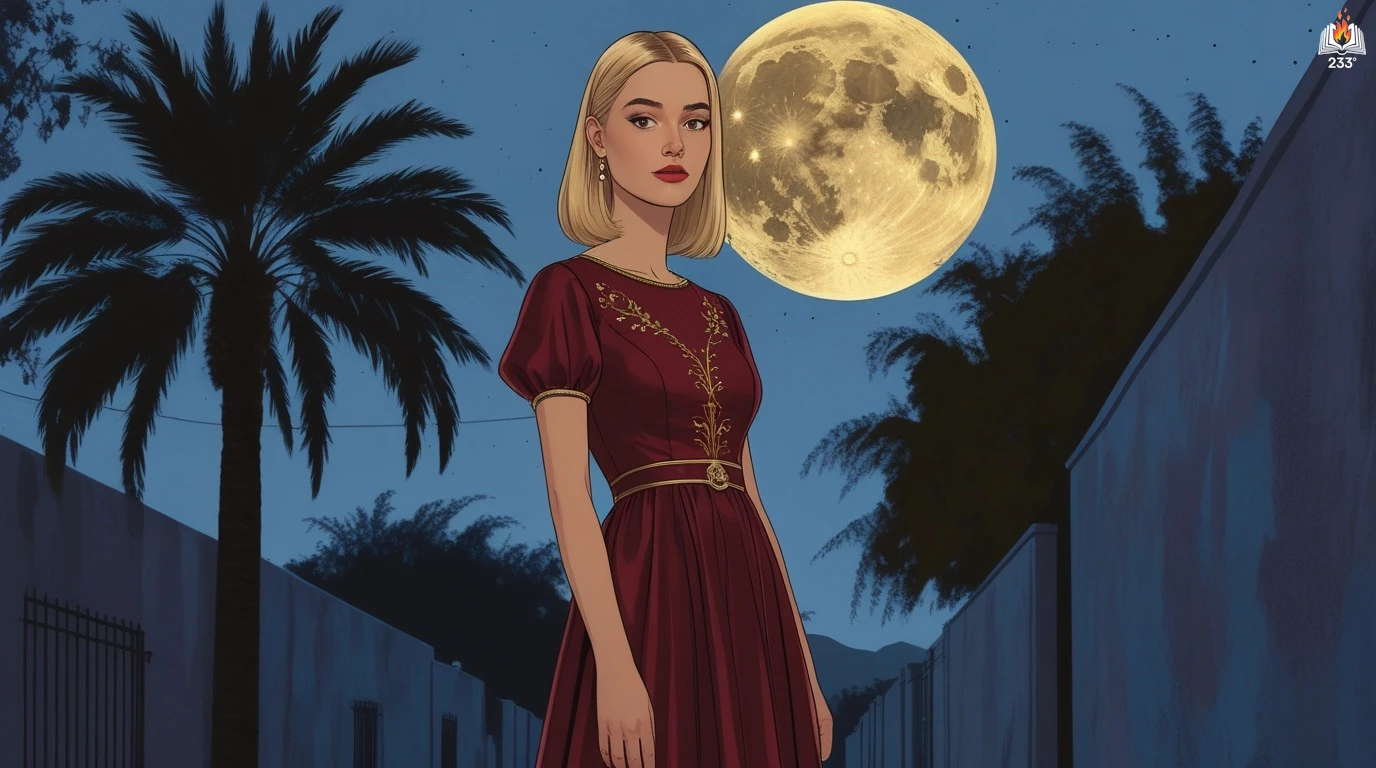


Stay Where You Are and Then Leave by John Boyne, published in 2013, is a moving historical novel set during and after the First World War. The story centers around young Alfie Summerfield, a boy growing up in London amidst the turmoil and trauma of war, whose ordinary life is disrupted when his father goes off to fight and never returns. Through Alfie’s innocent eyes, the reader is taken on a deeply emotional journey that confronts issues of loss, truth, and resilience, all woven into the fabric of a war-torn society.
Plot Summary
On the day the war began, Alfie Summerfield turned five. A party had been planned, the kind with jellied eels and penny games, but fewer people came than expected. Outside, something larger loomed. The adults whispered of Europe, of threats and alliances, of duty and danger. But Alfie only saw the corned-beef sandwiches and his best friend Kalena’s bright eyes. He didn’t know yet how the world was about to fracture.
His father, Georgie, was a milkman who smelled of horse and early mornings. Alfie adored him, dreamed of joining him on the milk float, feeding sugar lumps to Mr. Asquith, their beloved delivery horse. But Georgie wasn’t allowed to remain a milkman. Not when every man in Damley Road felt the tug of duty. And soon, despite Margie’s tearful pleas, he stood in their front parlor in full uniform, brass buttons shining, while silence echoed louder than celebration.
The war swallowed up the street. Windows that once welcomed neighbors began displaying Union Jacks and black crepe. Damley Road changed color – not in paint but in mood. Women shared knitting patterns and grief. Men disappeared behind recruiting posters and promises. And Alfie, once told his father would be home by Christmas, counted the years instead.
Kalena’s family, the Janáčeks, kept their heads down. Her father still polished his shoes with ritual grace, still sold licorice and apples and boot polish from the shop at the corner. But he spoke with an accent, and when the papers shouted about spies and traitors, suspicion took root like weeds in the cracks. The windows shattered one night, and then one day, an army van came and took them away. Kalena screamed as she was dragged from her home, and Alfie, helpless, watched the only girl he ever called his best friend disappear.
Georgie’s letters, once cheerful, became infrequent. Margie began hiding them. When Alfie asked, she would smile too tightly, speak too softly, or simply change the subject. But her eyes – always red-rimmed, always watching – said everything. She took a job as a nurse, her white uniform stiff with starch and long hours. The house grew quieter. Colder.
One day, Alfie overheard a name – Shell Shock Hospital, a place for broken minds and forgotten soldiers. That night, he didn’t sleep. The next morning, he packed bread crusts and an apple and skipped school. School could wait. Truth could not.
He had found a way to earn money – the shoeshine box left behind in the abandoned Janáček house. A relic of better days. Alfie polished boots near King’s Cross Station, eyes always scanning faces, ears tuned to the shuffle of soldier’s feet. It was a good place to gather rumors, and one day, one such rumor confirmed it: Georgie Summerfield was not dead. He was in Margate, in a hospital named Seaside Lodge, where men spoke to walls and flinched at wind.
Getting to Margate wasn’t easy. Alfie saved pennies for weeks, stowed away in a luggage compartment, then walked through the sea air until he reached the white building on the cliff’s edge. Inside, a nurse with hard eyes and harder rules tried to send him away, but Alfie didn’t come for rules. He came for his father.
And there he was. Georgie. Thinner, paler, changed. His eyes didn’t light up at the sight of Alfie, didn’t recognize his own son. But Alfie stayed. Every Sunday, he returned, sneaking past gates and staff, feeding his father memories like breadcrumbs. Snakes and Ladders, Mr. Asquith, corned beef sandwiches. At first, Georgie stared through him. Then, slowly, something shifted.
Back home, Margie grew more anxious. Alfie’s disappearances stretched longer. She accused him of stealing, of lying, but he could not bring himself to reveal the truth. Truth, he had learned, was a delicate thing – too sharp to hold in bare hands.
And then came the letter. Margie, weary and brittle, learned Georgie was to be transferred permanently. Somewhere further, somewhere final. That night, she cried in the broken armchair, her knitting trembling in her lap.
Alfie knew what had to be done. He enlisted Joe Patience, the pacifist from down the road, once shunned, now Alfie’s only ally. Joe believed in honor without violence, and Alfie trusted that. Together, they borrowed a milk float and set off for Margate.
They found Georgie sitting in the garden of the hospital, hair shorn, eyes cloudy. Alfie climbed onto the float, stood before his father, and told him it was time to come home. That Margie needed him. That Damley Road was waiting. Georgie didn’t move.
Then, something – perhaps the feel of the wind, perhaps the old familiar shape of the float – stirred in him. He looked up. Spoke. Just one word, but it was enough.
They brought him back to London. Back to Damley Road. Margie stood on the step, apron stained, eyes wide. Alfie held his father’s hand and led him up to the house.
In the days that followed, Georgie was quiet. He no longer shouted in his sleep. He sat in the parlor with Margie, sometimes nodding, sometimes humming the tune of a song no one else could name. He wasn’t the same, but he was home.
The war ended not long after. The streets of London erupted in color and song, bells rang, flags waved. But in number twelve Damley Road, celebration looked different. It looked like tea shared in silence. Like a mother brushing crumbs off her husband’s shirt. Like a boy watching two people find their way back to each other.
Outside, the milk float creaked into motion. Mr. Asquith’s hooves clattered on cobblestone. Alfie stood tall beside his father, handing out bottles, remembering that not all heroes wear medals. Some carry buckets of milk and carry on, despite everything.
Main Characters
Alfie Summerfield – The earnest and determined protagonist, Alfie grows from a hopeful five-year-old into a brave and thoughtful nine-year-old over the course of the novel. His resourcefulness and moral compass drive the narrative as he seeks to uncover the truth about his missing father. His longing for familial stability and clarity about the adult world defines much of his emotional arc.
Georgie Summerfield – Alfie’s father, a milkman turned soldier, who suffers from shell shock and is eventually institutionalized. His kind and gentle nature contrasts with the trauma he endures, making him a tragic figure whose psychological collapse mirrors the broader devastation of the war.
Margie Summerfield – Alfie’s hardworking mother, whose transformation from a warm, humorous presence into a weary, overburdened nurse highlights the toll the war takes on the home front. Her silence about Georgie’s whereabouts creates a central conflict for Alfie.
Kalena Janáček – Alfie’s best friend, the intelligent and spirited daughter of a Czech immigrant. Her deportation due to xenophobic paranoia underscores the societal cruelty inflamed by war, and her determination to one day become prime minister exemplifies the novel’s themes of hope and justice.
Mr. Janáček – Kalena’s father and a local shopkeeper, who is unjustly arrested as an enemy alien. His character is a gentle counterpoint to the hostility of the times, representing dignity in the face of scapegoating and prejudice.
Joe Patience – A conscientious objector and former friend of Georgie’s, who becomes a pivotal figure in Alfie’s quest. His pacifist stance and resilience make him a quietly heroic figure, reflecting the importance of moral conviction in troubled times.
Theme
The Psychological Toll of War – The novel delves into the hidden wounds of soldiers, particularly through Georgie’s descent into mental illness. It challenges the romanticism of war by illustrating its long-lasting emotional and psychological scars.
Innocence and Coming of Age – Alfie’s journey from naive child to proactive seeker of truth marks a poignant coming-of-age narrative. His growing awareness of adult deception and societal hypocrisy is central to the story’s emotional impact.
Truth and Silence – The conflict between what is said and what is withheld runs throughout the novel. Alfie’s mother withholds the truth about Georgie, and the state hides its failures behind patriotic rhetoric, reflecting the destructive power of silence.
Resilience and Human Dignity – Despite adversity, many characters maintain their humanity, courage, and kindness. Alfie’s quest, Kalena’s dreams, and Joe’s moral stand all reinforce the importance of integrity in dark times.
Displacement and Xenophobia – The treatment of the Janáček family reveals the fear-driven marginalization of immigrants during wartime, exposing the darker side of nationalistic fervor.
Writing Style and Tone
John Boyne’s writing style in Stay Where You Are and Then Leave is clean, accessible, and emotionally resonant. He writes with clarity and empathy, using a third-person limited perspective that remains closely tethered to Alfie’s experiences and perceptions. The language is deceptively simple, echoing the voice of a young boy yet infused with layered meanings that adults can appreciate. Boyne often blends humor with heartbreak, offering warmth and levity even as the narrative confronts weighty issues like shell shock, loss, and systemic injustice.
The tone of the novel is a delicate balance of innocence and gravity. While Alfie’s worldview filters much of the story through a childlike lens, Boyne carefully inserts historical and emotional depth that enriches the narrative. The tone shifts from nostalgic to somber, from playful to tense, reflecting the unpredictable reality of life during wartime. This tonal duality makes the novel both heartwarming and haunting, a testament to Boyne’s ability to craft compelling stories that speak to both younger readers and adults alike.
Quotes
Stay Where You Are and Then Leave – John Boyne (2013) Quotes
“It's a big world, isn't it?' said Georgie. 'Do you think they hate each other on other planets too?”
“... Nine-year-old boys usually turn ten at some point. It's the nineteen-year-olds who have difficulty turning twenty.”
“It was the fact that I didn't want to kill anyone. I wasn't put on this earth to murder my fellow man. I'd grown up with violence - can't you see that? I can't bear it.”
We hope this summary has sparked your interest and would appreciate you following Celsius 233 on social media:
There’s a treasure trove of other fascinating book summaries waiting for you. Check out our collection of stories that inspire, thrill, and provoke thought, just like this one by checking out the Book Shelf or the Library
Remember, while our summaries capture the essence, they can never replace the full experience of reading the book. If this summary intrigued you, consider diving into the complete story – buy the book and immerse yourself in the author’s original work.
If you want to request a book summary, click here.
When Saurabh is not working/watching football/reading books/traveling, you can reach him via Twitter/X, LinkedIn, or Threads
Restart reading!