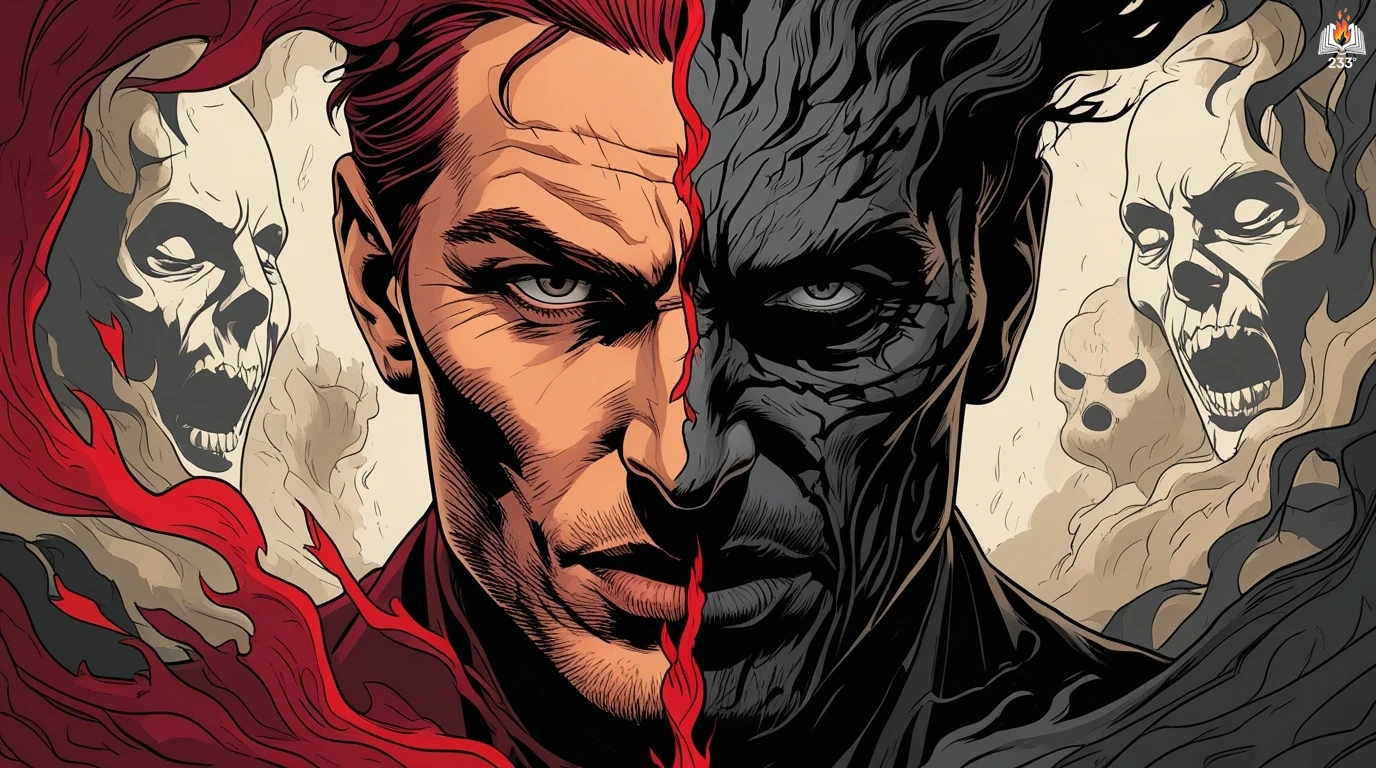


The Pelican Brief by John Grisham, published in 1992, is a gripping legal-political thriller that catapulted Grisham to literary stardom following his earlier success with The Firm. The novel opens with the shocking assassinations of two ideologically opposed U.S. Supreme Court Justices. As the nation reels, a young law student’s speculative brief about the murders becomes a dangerous catalyst in uncovering a deep-rooted conspiracy that stretches to the highest echelons of power. Fast-paced, layered with suspense, and underscored by corruption, The Pelican Brief masterfully blends legal intrigue with political peril.
Plot Summary
In the dead hush of a Washington night, two United States Supreme Court Justices are assassinated within hours of each other. One – a fiery liberal bound to his wheelchair by age and sickness. The other – a man whose ideological swings made him an enigma to his colleagues. Both murdered cleanly, with precision that pointed not to rage or impulse, but to method and calculation. Their deaths shake the foundation of American justice and throw the political elite into turmoil.
The weight of the assassinations hangs over the nation like a fog. The FBI, the CIA, the White House – each gropes in the dark for answers. Rumors bloom like wild vines, conspiracy theories burst forth, but truth remains buried. Amid this chaos, Darby Shaw, a second-year law student at Tulane, sits in her cluttered apartment in New Orleans, piecing together an idea, a theory, bold and speculative. Her mind sharp, her instincts sharper, she sifts through environmental lawsuits and judicial voting patterns. Then she writes it – the Pelican Brief.
In her brief, Darby suggests that the killings are connected not by politics but by money – by oil. A secluded stretch of Louisiana marshland, teeming with endangered brown pelicans and protected by law, stands atop a vast oil reserve. The man behind the murders, she theorizes, is Victor Mattiece, a reclusive billionaire desperate to tap into the land. His legal efforts stalled in the courts, blocked by the very justices who now lie dead. With their opposition eliminated, a reshaped Court could soon clear the path for drilling.
Darby shows the brief to her lover and professor, Thomas Callahan. Fascinated and disturbed, Callahan shares it with a friend at the FBI. Within hours, a car bomb tears through Callahan’s life, leaving his body charred and lifeless. Darby survives by seconds – and instinct. Her brief, once an academic exercise, has become a death warrant.
Hunted and alone, she vanishes. No allies, no safe harbor, only the knowledge that someone is watching, and that death waits patiently behind the wrong door. Her every move is cautious, her trust sparing. In a flickering hotel room, she changes identities, burner phones, clothes. Each day a puzzle of survival.
Meanwhile in Washington, the White House scrambles. Fletcher Coal, the President’s ruthless chief of staff, sees opportunity in crisis. Two Supreme Court appointments could secure the administration’s legacy for decades. But the Pelican Brief, now circling in secret channels, threatens that vision. If it leaks, if anyone connects the administration to Mattiece’s business interests, the entire house of cards could tumble.
Darby reaches out to Gray Grantham, an investigative reporter for the Washington Post. Smart, skeptical, and jaded from years of chasing truths no one wants to hear, Grantham is reluctant. Until she shows him the brief. Until she tells him what she knows. Until the calls start. The men following her, the strangers asking questions, the attempt on her life in a parking garage.
Grantham digs, slowly at first. Then faster. Court records, oil leases, environmental rulings – they all start to fit. The name Mattiece appears like a smudge on every page. The trail leads to White & Blazevich, a powerful D.C. law firm with ties to Mattiece. Grantham locates a young attorney from the firm, a man who disappears days later and is found dead, an apparent suicide. But his death only confirms what they fear – the brief is right.
Darby and Grantham flee to New York, their steps shadowed, the danger rising. Inside a hotel suite guarded by secrecy, they review tapes, notes, maps – evidence stitched from whispers and fragments. One name surfaces from the dead attorney’s files: Khamel. A name whispered across continents, tied to bombings and assassinations. The man who killed the Justices, whose face no one can place, who moves like smoke through borders and security.
With mounting proof and no one else to trust, Darby and Grantham take their findings to the Post. The paper’s editors weigh the risk. A billion-dollar oil company. Two assassinated Justices. Political interference. Murder. It’s explosive – but it has to be airtight.
Then comes the final piece. A voice on the line, terrified. The assistant to the murdered attorney. He confirms everything. Mattiece’s plan, the pressure on the courts, the payout. Darby records the conversation, her hand trembling. Now they have it. The truth, sharp and damning.
The story breaks like a thunderclap. Front page. National headlines. Networks scramble. The President denies everything. Fletcher Coal fumbles before cameras. The FBI, shamed and exposed, begins arrests. Mattiece disappears. White & Blazevich faces disbarment and collapse.
Darby, her name now public, retreats to an island far from politics and power. Her face unknown, her voice quiet, she chooses peace over spectacle. The world moves on, as it always does. But something has shifted – in courtrooms, in boardrooms, in the minds of those who once believed they were untouchable.
Grantham receives awards, but he knows the real courage came from the girl who wrote a brief and refused to run. Her words brought down giants.
Main Characters
Darby Shaw – A brilliant and tenacious Tulane law student, Darby becomes the central figure of the story after she authors the “Pelican Brief” – a speculative theory that links the assassinations of the Supreme Court Justices to environmental and political interests. Her intellect, courage, and analytical thinking propel the story forward, especially as she is forced into hiding when the brief’s contents put her life at risk. Darby evolves from a quiet scholar to a fierce survivor navigating a lethal political landscape.
Thomas Callahan – Darby’s professor and lover, Callahan is a charismatic constitutional law expert who is intrigued by Darby’s intellect and beauty. His interest in the brief and his decision to share it lead to fatal consequences, setting off a chain reaction that throws Darby into the heart of danger. His tragic fate intensifies Darby’s resolve and thrusts her into isolation.
Gray Grantham – An investigative reporter for the Washington Post, Grantham becomes Darby’s reluctant but crucial ally. Initially skeptical, he grows to trust Darby’s account and joins her in uncovering the truth. His journalistic instincts, resourcefulness, and moral compass make him a critical player in bringing the conspiracy to light.
Fletcher Coal – The manipulative and ambitious White House Chief of Staff, Coal personifies the cynical, power-driven political operator. His willingness to suppress the truth for political expediency illustrates the moral decay at the heart of the conspiracy.
Victor Mattiece – A reclusive and ruthless oil tycoon, Mattiece is the orchestrator behind the assassinations, aiming to eliminate judicial opposition to his lucrative oil drilling project in a protected Louisiana marshland. Though he remains a shadowy presence, his actions and wealth underscore the destructive potential of unchecked corporate power.
Theme
Corruption and Power – Central to the narrative is the corrupting influence of wealth and political ambition. From oil tycoons to government officials, Grisham presents a world where decisions are shaped less by justice and more by profit and political gain. The pursuit of power blinds characters to morality, leading to murder and manipulation.
The Fragility of Justice – Grisham probes the vulnerability of even the highest judicial institutions. The assassinations of two Supreme Court Justices expose how justice can be not only undermined but also systematically targeted by those with sufficient motive and means.
Individual vs. System – Darby’s journey reflects the classic David vs. Goliath struggle. As an ordinary citizen challenging a powerful and dangerous system, her story highlights the courage required to pursue truth in the face of institutional denial and apathy.
Environmental Exploitation – The book tackles environmental concerns through the lens of corporate greed. The endangered pelican habitat becomes the battleground for legal and ethical warfare, with nature’s preservation set against industrial expansion.
Media as a Catalyst for Truth – Through Grantham’s character, the novel explores the press as both a vulnerable and vital institution in democracy. The power of journalism to hold the powerful accountable emerges as a key element in resolving the central mystery.
Writing Style and Tone
John Grisham’s prose in The Pelican Brief is taut, fast-moving, and cinematic. He writes in a clipped, dialogue-driven style that maintains a strong forward momentum, minimizing descriptive flourishes in favor of plot propulsion. Legal jargon is interspersed with clarity, ensuring the book remains accessible to a broad readership. The third-person narrative perspective allows insight into multiple characters, from idealistic students to ruthless political operatives, enhancing the thriller’s complexity.
The tone throughout the novel is suspenseful and foreboding. Grisham establishes a mood of paranoia and urgency as the conspiracy unfolds. Even in moments of respite, an undercurrent of dread persists. The dialogue is sharp and often laden with tension, and the political backdrop adds a chilling realism that underscores the stakes. The tone shifts with Darby’s transformation – from analytical to desperate to empowered – reflecting her perilous journey and the escalating intensity of the plot.
Quotes
The Pelican Brief – John Grisham (1992) Quotes
“What kind of name is Siler-Spence? I mean, what's wrong with these women who use hyphens? What if her name was Skowinski and she married a guy named Levondowski? Would her little liberated soul insist she go through life as F.Gwendolin Skowinski- Levondowski?”
“He was neutral on prayer, skeptical of free speech, sympathetic to tax protestors, indifferent to Indians, afraid of blacks, tough on pornographers, soft on criminals, and fairly consistent in his protection of the environment”
“Telegram@Yoyos20 Buy Cocaine in Phenix City”
“Telegram@Yoyos20 Buy Cocaine in Florence”
“Telegram@Yoyos20 Buy Cocaine in Decatur”
“Telegram@Yoyos20 Buy Cocaine in Hoover”
“Telegram@Yoyos20 Buy Cocaine in Montgomery”
We hope this summary has sparked your interest and would appreciate you following Celsius 233 on social media:
There’s a treasure trove of other fascinating book summaries waiting for you. Check out our collection of stories that inspire, thrill, and provoke thought, just like this one by checking out the Book Shelf or the Library
Remember, while our summaries capture the essence, they can never replace the full experience of reading the book. If this summary intrigued you, consider diving into the complete story – buy the book and immerse yourself in the author’s original work.
If you want to request a book summary, click here.
When Saurabh is not working/watching football/reading books/traveling, you can reach him via Twitter/X, LinkedIn, or Threads
Restart reading!