The Star by H.G. Wells is a cosmic disaster story where a rogue celestial body threatens Earth, illustrating humanity’s insignificance in the vastness of space.
Sylvie and Bruno by Lewis Carroll blends fantasy and satire, weaving together the fairyland adventures of Sylvie and Bruno with Victorian social critique.
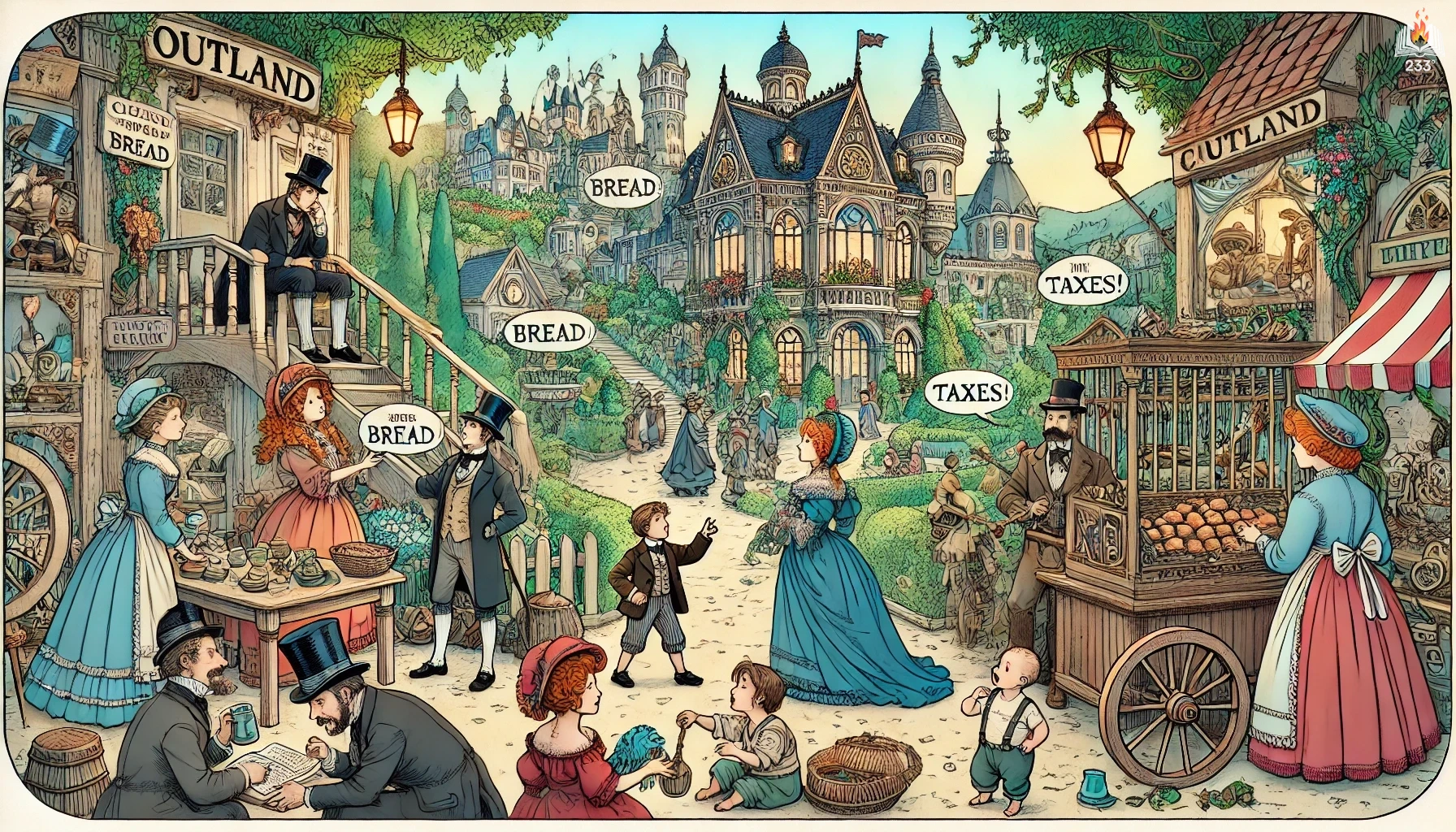
Sybil, or The Two Nations by Benjamin Disraeli explores class division in Victorian England, highlighting the struggles between the rich aristocracy and the poor.
A man’s desperate quest for redemption unravels beneath the weight of trust, guilt, and fate in this haunting tale of dignity lost and a chance tragically undone.
A man steps away from his life for a day and vanishes for twenty years, exploring the haunting cost of absence, anonymity, and the quiet unraveling of identity.
The Angel of the Odd by Edgar Allan Poe is a satirical tale of bizarre misfortunes that befall an arrogant skeptic who dismisses strange occurrences as nonsense.
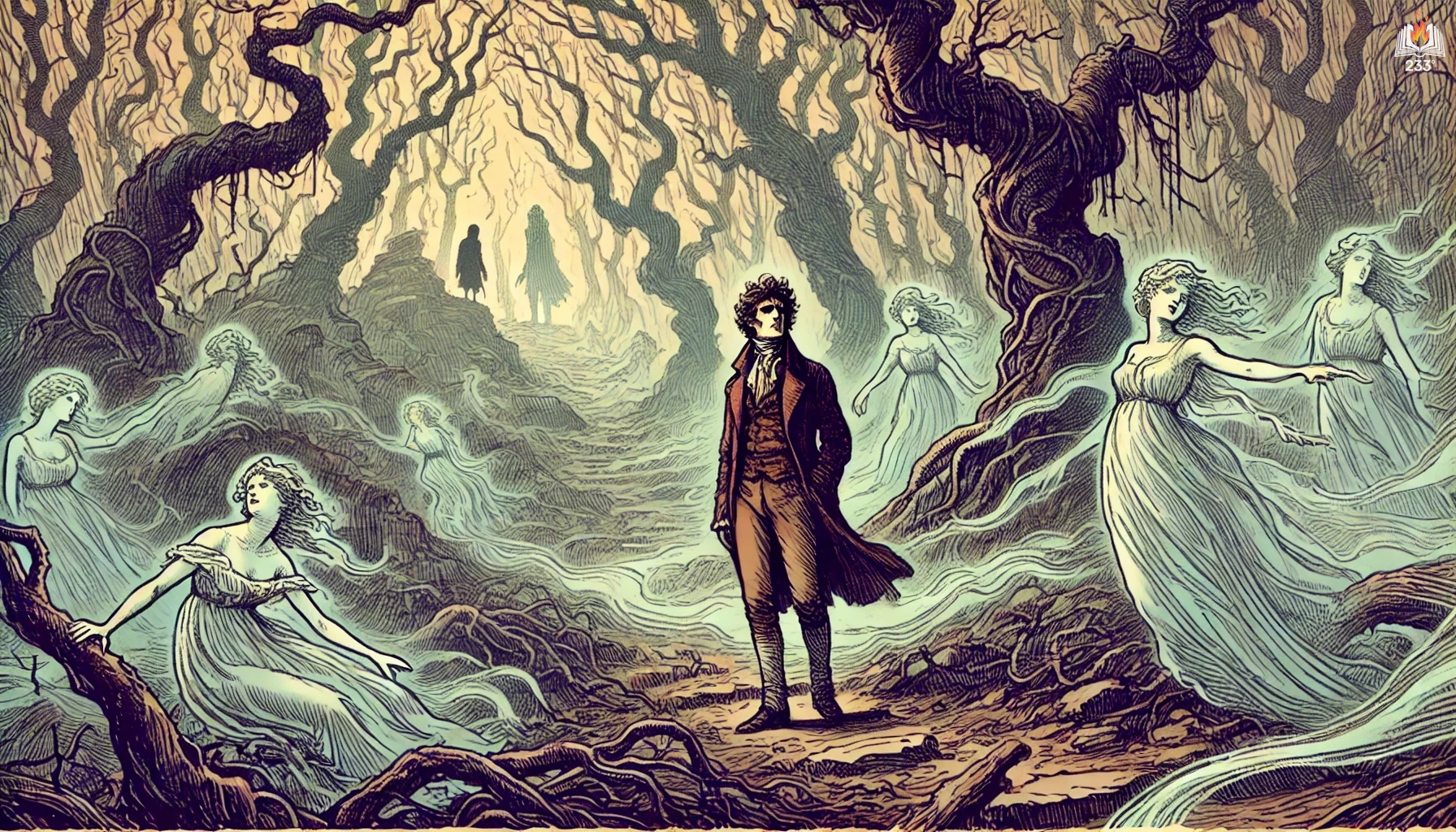
A Tale of the Ragged Mountains by Edgar Allan Poe follows Augustus Bedloe, whose eerie, dreamlike journey through the Virginia wilderness reveals a supernatural connection to the past.
The Nether World by George Gissing portrays the grim realities of poverty in Victorian London, following characters trapped in social and economic despair.
Esther Waters by George Moore is a Victorian naturalist novel following a young woman’s struggles as a single mother in 19th-century England’s rigid social system.
Bohemians of the Latin Quarter by Henri Murger portrays the struggles of young Parisian artists, inspiring Puccini’s opera La Bohème with its themes of love and poverty.