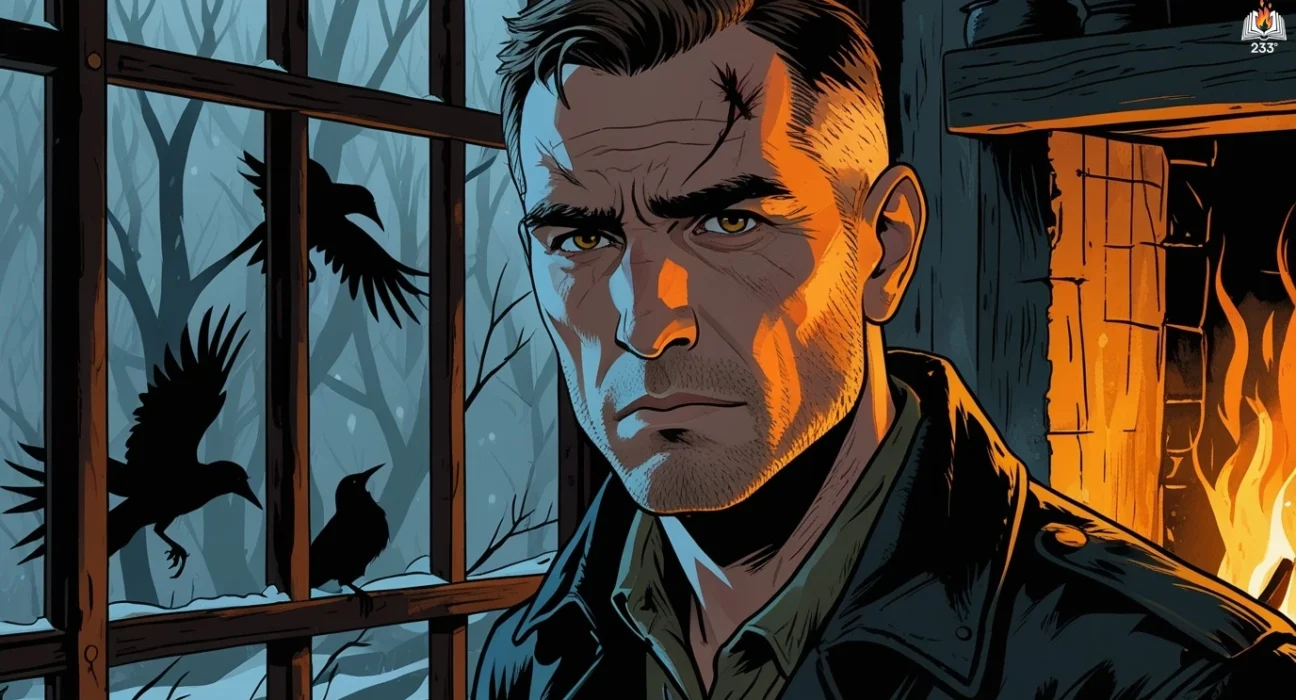
The Birds by Daphne du Maurier, first published in 1952, is a haunting and psychologically intense short story from her collection The Birds and Other Stories. Set against the bleak and windswept coast of Cornwall, the tale transforms an ordinary post-war British setting into the stage for an eerie and apocalyptic drama. It chronicles the surreal and escalating attacks of birds on humanity, focusing on one man’s desperate efforts to protect his family amidst a growing, inexplicable menace. While it gained broader fame through Alfred Hitchcock’s 1963 film adaptation, du Maurier’s original story is far grimmer, quieter, and more allegorical in tone.
Plot Summary
On the third of December, the wind turned overnight, and winter came without warning. The cold blew in from the east, sharp and dry, disturbing the quiet countryside of Cornwall. Nat Hocken, a war veteran working part-time on a local farm, noticed a change in the behavior of the birds. Flocks of gulls and jackdaws wheeled in strange formation across the skies, restless and numerous beyond what he had seen in previous years. He thought it might be the weather, a hard winter coming early, but there was something more – a tension in the air, a hunger in the movement of wings.
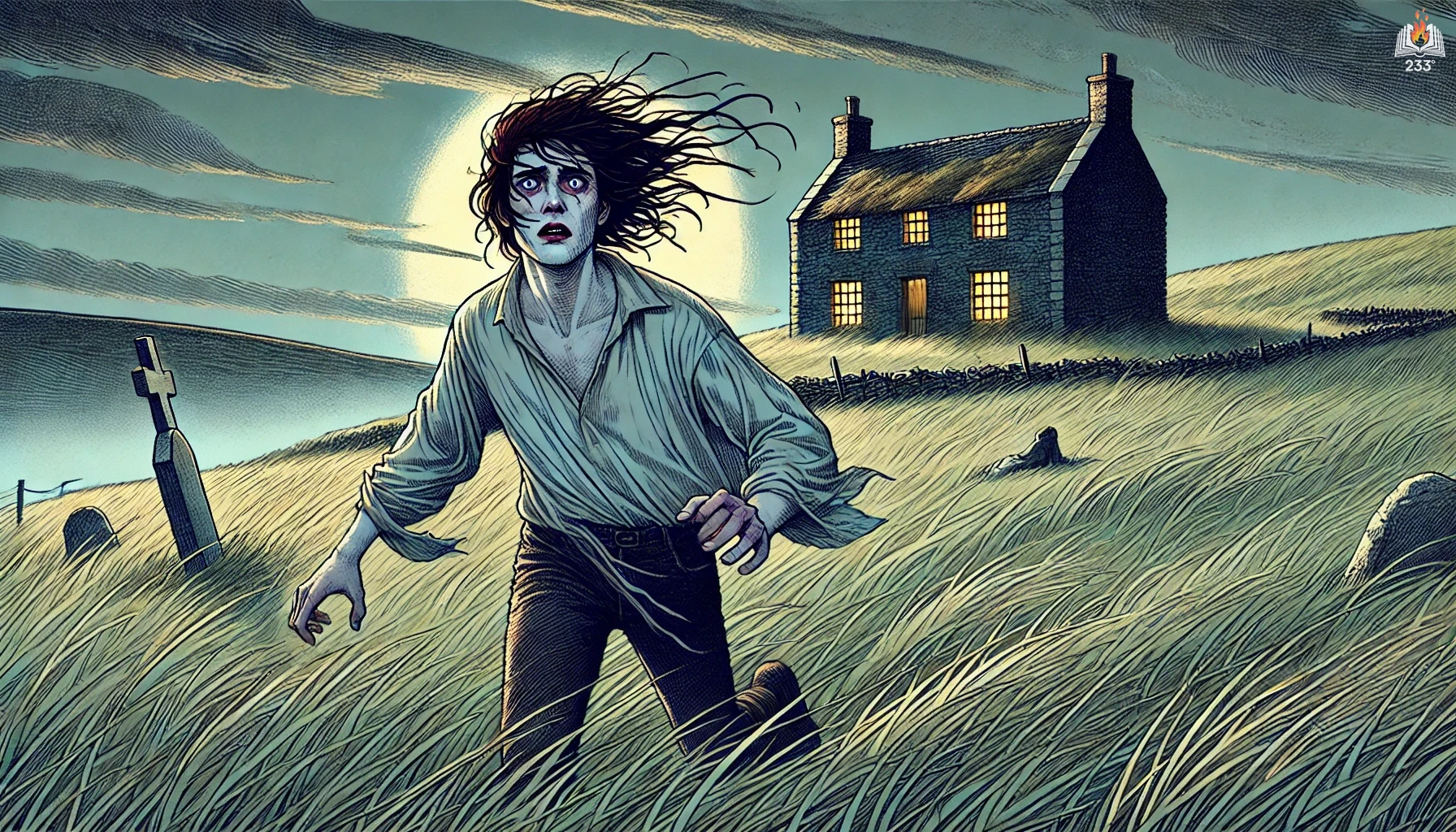
That night, the tapping began on the bedroom window. A bird, perhaps seeking shelter, jabbed at Nat’s hand when he opened the pane. It drew blood. He thought it frightened, a one-off encounter, but the second time he opened the window, several birds flew into his face, attacking with silent ferocity. Soon, cries came from the children’s room, and Nat rushed in to find the birds swarming through an open window, their beaks aiming for eyes and soft skin in the dark. With nothing but a blanket, he fought them off. When dawn came, the room was littered with tiny corpses – wrens, sparrows, finches – creatures of the hedgerow, now joined in a senseless alliance of aggression. The silence outside was eerie. Not a chirp in the hedges, not a rustle in the trees. The birds had vanished with the daylight.
The radio brought an announcement from the Home Office. Bird attacks were being reported across the country. Towns, villages, and cities lay under siege. People were injured, children blinded. The government urged citizens to seal their homes. Nat, more aware than most, began preparing the cottage – boarding windows, filling chimneys, scanning the sky. His warnings to neighbors fell on amused ears. Mr. Trigg, the local farmer, dismissed the threat and readied his gun for sport. The thought of birds as a real danger seemed laughable to many.
But the gulls had returned. In the bay below the cliff, they floated in vast numbers, silent, waiting. As the tide turned, they lifted into the air, wheeling in formation like soldiers awaiting a signal. Nat sensed their pattern – an instinct like the pull of the moon. They moved with the flood, attacked at high tide. He picked up his daughter Jill from the bus stop, rushing her home as the sky darkened with feathers and the wind burned against his face. Mr. Trigg passed in his car, still confident, heading back to the farm with guns and a grin. Nat could only watch as the birds dipped lower, black-backed gulls leading, their wings outstretched, diving without sound.
By evening, Nat’s cottage stood sealed against the outside. The family huddled in the kitchen, protected by boards and flame. The news on the wireless had ceased. Dance music played instead of updates, the calm voice of the announcer mocking the fear that gripped the land. The children tried to make a game of it, counting the thuds as birds hurled themselves against the boards. Nat’s wife cooked supper. He joked to keep them from panicking, but all the while he listened to the slow splintering of wood, the shuffle of claws across the roof.
Planes flew overhead, and for a moment there was hope. The children cheered. But then came the crashes – not bombs, but the fall of machines from the sky. Birds, hurling themselves into engines, had torn the aircraft from the air. The hope turned hollow. There would be no salvation from above.
Night fell again. Nat stayed vigilant by the fire, knowing the birds would return with the next tide. He opened the back door and found the ground thick with bodies – warm, bloodied, broken by their own fury. He heaped them on the windowsills, a macabre barricade, flesh against beak. In the silence before dawn, the tide crept in, and with it, the birds came again. They forced themselves down the chimneys. The scent of burning feathers filled the kitchen. Nat poured paraffin into the fire. The flames surged upward, blackening the bodies that fell in choking waves. The children cried, his wife trembled, but the blaze held firm. By morning, the chimney was clear.
Still no news came. The radio fell silent at the promised hour. Nat knew now they were alone. Outside, the birds waited in the hedgerows, watching. Not flying, not attacking, but observing, heads turned toward the house. He had six hours, until the tide turned once more.
They ventured out into the frost-bitten light, pushing a pram to carry supplies. The birds did not move, though they watched with dark eyes. Nat left his wife and children near a hedge and walked alone to the Triggs’ farm. The sheep roamed freely, fences broken. The cows stood unmilked in the yard. There was no smoke from the chimney, no sound of life. Inside the house, the silence was final. Mr. and Mrs. Trigg lay still, torn and bloodied, their gun resting useless nearby. Nat took what he could – bread, tins, candles – and returned to the lane.
The birds had begun to stir again. The air thickened with movement, but he made it back. The children were crying, cold, frightened. He brought them inside, secured the door. They had enough food for a few days, enough wood to burn. He would hold out until someone came, or until the birds stopped watching.
As he sealed the door once more, the sea began to roar. The tide had turned again.
Main Characters
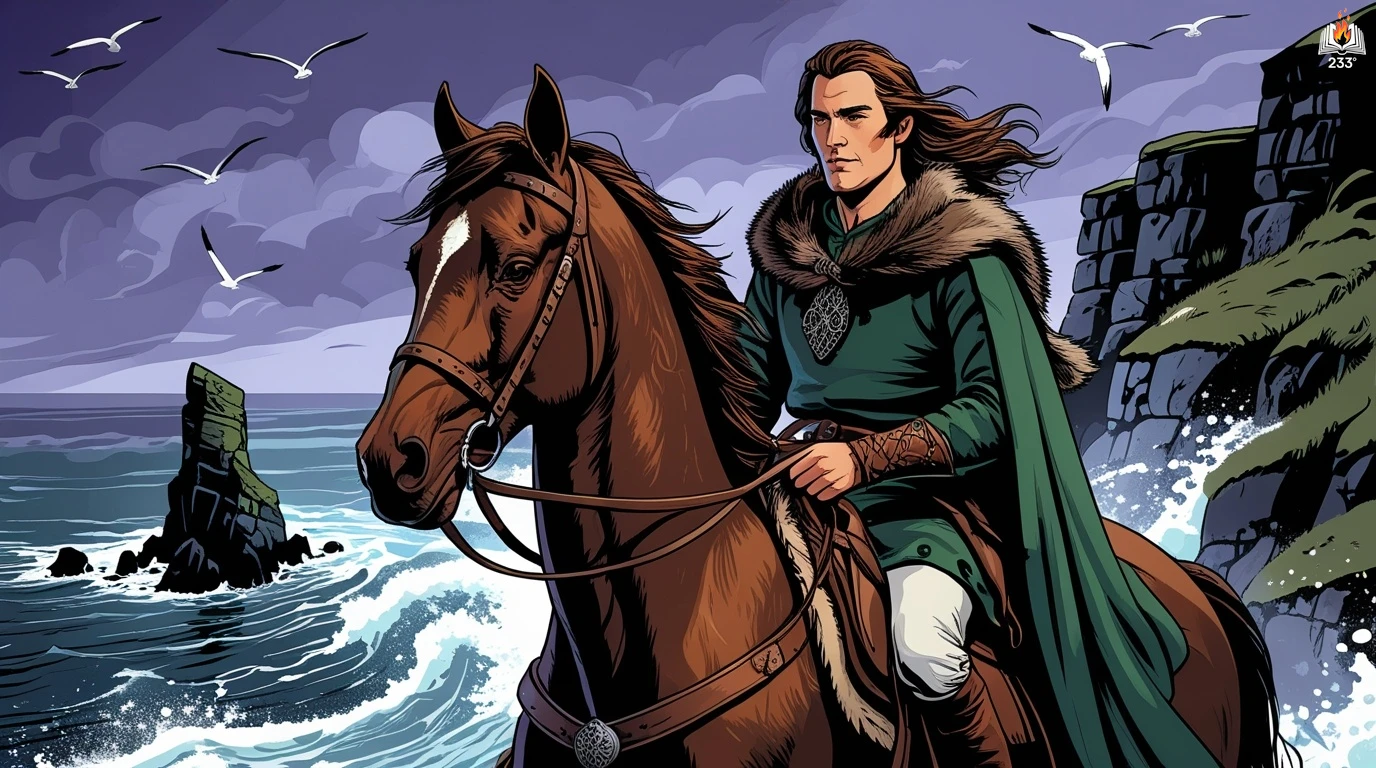
Nat Hocken – A quiet, introspective war veteran with a disability, Nat works part-time on a farm and prefers solitary labor. Practical, observant, and fiercely protective of his family, Nat becomes the story’s unlikely hero. His instinctive understanding of nature, coupled with his wartime experience, equips him to confront the bizarre avian onslaught with rationality and determination. As the birds grow increasingly hostile, Nat’s resilience and meticulous preparedness stand in stark contrast to the complacency of others around him.
Mrs. Hocken – Nat’s unnamed wife is a gentle, domestic woman who initially struggles to comprehend the scale of the crisis. As events unfold, her maternal instincts surface strongly, and she becomes a source of emotional strength. Her growing dependence on Nat for safety and clarity reflects the story’s themes of trust and survival under pressure.
Jill and Johnny Hocken – Nat’s children are young, innocent symbols of what he is fighting to protect. Jill, the older sibling, is perceptive and begins to understand the gravity of the situation. Johnny, being much younger, is mostly passive but becomes a victim during one of the bird attacks, highlighting the vulnerability of the human family unit.
Mr. and Mrs. Trigg – The Triggs are neighbors of the Hockens and represent a more dismissive, carefree approach to the bird crisis. Mr. Trigg in particular mocks the danger, treating the situation as an amusing opportunity to shoot birds for sport. Their refusal to take the threat seriously ultimately leads to their demise, a grim counterpoint to Nat’s caution.
Theme
Nature’s Rebellion – At the core of the story is the sudden, terrifying shift in nature’s order. Birds, once symbols of freedom and beauty, become agents of death and chaos. Du Maurier subverts the pastoral ideal, showing how nature—unpredictable and unfeeling—can turn violently against humanity.
Isolation and Self-Reliance – As the attacks grow, society breaks down, and the Hockens are left to fend for themselves. The narrative explores the fragility of human structures and the necessity of individual action and preparation. Nat’s independence and pragmatism reflect an almost wartime mentality of bunker survival.
Post-War Anxiety and Invasion – The story was written in the shadow of World War II and Cold War tensions. Nat’s strategic thinking and boarding-up of windows recall bomb raids, while the mysterious massing of birds evokes fears of sudden, unknowable attack—be it nuclear or biological.
Denial and Human Folly – Characters like the Triggs and even the radio announcers symbolize societal denial in the face of disaster. This theme criticizes humanity’s tendency to underestimate or ridicule threats until it is too late. The tragedy of this attitude is felt when neighbors, ignoring Nat’s warnings, are swiftly and brutally killed.
Writing Style and Tone
Daphne du Maurier’s prose is spare, understated, and deeply atmospheric, contributing to the story’s unnerving tone. She uses meticulous detail to build the physical world – the Cornish countryside, the biting east wind, the chill in the air – all of which subtly set the stage for the unnatural horror to follow. Her descriptions are vivid but never sensationalist, creating a creeping sense of unease. The horror is not rooted in gore but in suggestion and the disintegration of normalcy.
The narrative tone is quietly ominous, evoking a slow but relentless dread. Du Maurier never offers explanations or relief, refusing to let her readers or characters find safety in reason. The birds’ behavior is never fully understood, making the terror all the more primal. The dialogue is natural and colloquial, grounded in the rhythms of rural English life, which heightens the surreal nature of the unfolding violence. The result is a story that is not only chilling but allegorical—a metaphor for the unpredictability of catastrophe and humanity’s limited grasp of nature’s power.
Quotes
The Birds – Daphne du Maurier (1952) Quotes
“You had to endure something yourself before it touched you.”
“Nat listened to the tearing sound of splintering wood, and wondered how many million years of memory were stored in those little brains, behind the stabbing beaks, the piercing eyes, now giving them this instinct to destroy mankind with all the deft precision of machines.”
“You have to endure something yourself before it touched you.”
We hope this summary has sparked your interest and would appreciate you following Celsius 233 on social media:
There’s a treasure trove of other fascinating book summaries waiting for you. Check out our collection of stories that inspire, thrill, and provoke thought, just like this one by checking out the Book Shelf or the Library
Remember, while our summaries capture the essence, they can never replace the full experience of reading the book. If this summary intrigued you, consider diving into the complete story – buy the book and immerse yourself in the author’s original work.
If you want to request a book summary, click here.
When Saurabh is not working/watching football/reading books/traveling, you can reach him via Twitter/X, LinkedIn, or Threads
Restart reading!