The Watcher in the Shadows by Carlos Ruiz Zafón, first published in 1995, is the third installment in the author’s early trilogy for younger readers. While geared toward adolescents, it radiates the rich atmosphere, emotional intensity, and literary elegance that mark Zafón’s work. Set in 1937 Normandy, this gothic mystery blends suspense, romance, and magical realism, taking place in the haunting estate of Cravenmoore, where automata whisper secrets and the past casts long shadows.
Plot Summary
In the winter of 1936, the death of Armand Sauvelle, a once-charming man burdened by debts, plunges his family into hardship and uncertainty. His wife Simone, along with their children Irene and Dorian, are forced to abandon their comfortable Parisian life. The bustling city that once cradled their privileges now becomes a place of fading memories, endless bills, and shrinking prospects. Simone returns to teaching, but it barely covers their needs. Irene, barely fourteen, works in a dance hall to help make ends meet, while young Dorian retreats into his maps and drawings, a quiet observer of the world unraveling around them.
A ray of hope arrives when Henri Laffont, an old family friend, offers the Sauvelles a small apartment above his art shop and connects them with Lazarus Jann, a wealthy toymaker living in a vast and mysterious mansion named Cravenmoore on the Normandy coast. The offer to move to Blue Bay, a quiet seaside village far removed from the shadows of Paris, promises a fresh start. Simone accepts a housekeeper position in Lazarus’s grand estate, with the added benefit of a modest home on the cliffs called Seaview, a place where the ocean meets the sky and secrets hide in the mist.
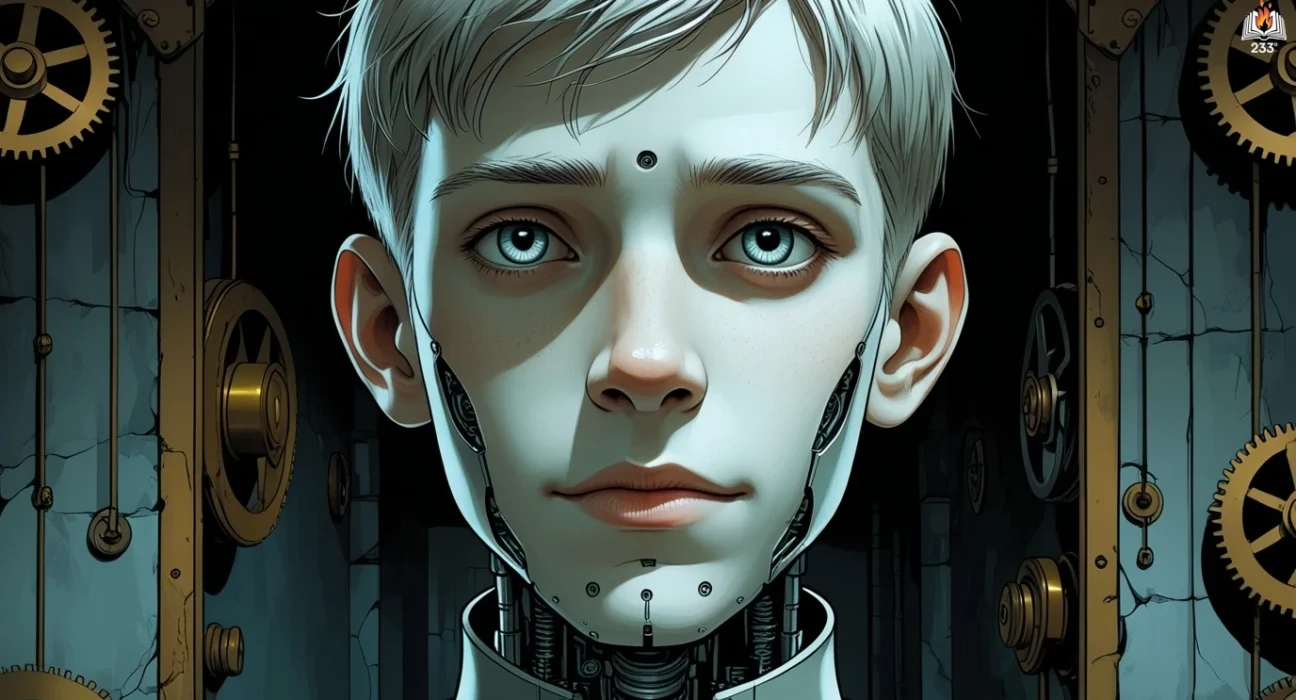
The first glimpse of Cravenmoore overwhelms the family. The mansion resembles a gothic cathedral more than a home, with flying buttresses, towering turrets, and an army of stone gargoyles that seem to watch every visitor with silent judgment. Inside, an astonishing collection of automata – mechanical toys and creatures crafted with incredible skill – fills the rooms with lifelike charm and eerie stillness. The family is greeted by Christian, an automaton with lifeless glass eyes and a frozen grin, a relic from Lazarus’s early days as an inventor.
Lazarus Jann himself is a figure of contradictions. Warm and welcoming, with twinkling blue eyes and an infectious smile, he carries a sorrow beneath his genial exterior. His wife Alexandra has been bedridden for over twenty years, trapped by a mysterious illness that stole her memory and voice, confining her to a darkened wing of the house. This loss has driven Lazarus deeper into his mechanical creations, a refuge from loneliness and grief.
Irene finds herself caught between wonder and unease. The mansion’s marvels enchant her, but the shadows seem alive with silent watchers. Her mother devotes herself to the demands of her new role, juggling the care of the household, the whims of Lazarus, and the gossip of the village. Dorian is fascinated by the world of mechanics and dreams of learning from Lazarus, who offers to teach him the secrets of automata.
Blue Bay is a stark contrast to Paris. The village thrives on the rhythm of seasons – a frenetic summer serving tourists and a quiet, contemplative rest of the year. Here, the villagers know each other’s stories, and news spreads faster than the tides. Simone adapts to this new world, while Irene navigates the social intricacies with the help of Hannah, a lively local girl and the cook at Cravenmoore. Hannah’s endless chatter and intimate knowledge of the town provide a lifeline of friendship and information.
Irene’s life becomes intertwined with Ismael, Hannah’s cousin, a young fisherman with pale eyes that conceal a melancholy as deep as the sea he sails. Ismael is a figure of silent strength and mystery, sharing with Irene tales of the sea, the haunted island with its flickering September lights, and the ghostly woman who drowned there, leaving behind a shattered mask. Their bond grows slowly, shaped by shared secrets and stolen moments on his small boat, the Kyaneos.
As the summer days lengthen, the tranquility of Blue Bay is pierced by subtle threats. Letters from Daniel Hoffmann, an enigmatic correspondent in Berlin, arrive regularly for Lazarus, but are carefully handled and sometimes burned, hinting at darker forces at work. Simone senses there is more to her employer than the genial inventor and kind employer he appears to be. The mystery deepens as warnings and restrictions mount – forbidden wings of the mansion, unspoken dangers, and the ever-present specter of Alexandra’s illness.
The children, too, find themselves drawn into the undercurrents of Cravenmoore. Dorian’s fascination with maps and machines leads him closer to Lazarus’s secret world, while Irene’s growing connection to Ismael reveals the hidden pains of the villagers, the ghosts of the past that linger in every corner of the bay. The legend of the September lights becomes a symbol of longing and unfinished journeys, mirroring the unresolved grief and hope that pulse through the family’s new life.
Tensions rise as Irene and Ismael prepare to explore the haunted island, testing their courage against whispered tales and the unknown. Their venture becomes a rite of passage, an encounter with the supernatural and the fragile boundary between reality and myth. The island, with its abandoned lighthouse and echoing legends, reflects the deeper themes of loss, memory, and the quest for identity.
Throughout the season, Lazarus’s solitude and obsession cast a long shadow over Cravenmoore. His mechanical creations, once sources of joy, take on an uncanny life of their own. The mansion’s walls seem to breathe with the memories of its inhabitants and the weight of unspoken tragedies. Simone wrestles with her responsibilities, torn between duty and a growing unease about the secrets she glimpses behind the grand facade.
As autumn approaches, the fragile peace of Blue Bay begins to fracture. The arrival of shadows from the past threatens to engulf the present. The family’s bonds are tested, and the innocence of youth confronts the harsh realities of betrayal, loss, and sacrifice. The lighthouse stands as a silent sentinel, its light flickering like a heartbeat in the gathering darkness.
In the final moments, Irene, strengthened by the trials she has faced, embraces both the enchantment and the sorrow that shape her world. The mystery of Cravenmoore, with its automata and secrets, becomes a testament to human resilience and the enduring power of hope. The story closes on the quiet cliffs, where the sea meets the sky, and the September lights dance one last time – a beacon for those who dare to dream beyond the shadows.
Main Characters
Irene Sauvelle – A resilient, empathetic teenage girl whose strength and maturity surpass her years. After the death of her father and a fall from wealth, she becomes the emotional center of her family. Her sensitivity makes her attuned to the strange world of Cravenmoore and the secrets it hides. Irene’s journey is both an emotional awakening and a confrontation with danger, wonder, and first love.
Simone Sauvelle – Irene’s mother, a once-privileged woman now battling hardship with quiet grace. She accepts a position as housekeeper at Cravenmoore, determined to provide stability for her children. Simone’s inner strength and maternal warmth shape the fragile sanctuary she tries to build amidst darkening omens.
Dorian Sauvelle – Irene’s imaginative younger brother. Dorian finds joy in maps and fantasy, traits that make him both endearing and vulnerable. His curiosity draws him deeper into Cravenmoore’s enigma, revealing truths that blur the line between magic and menace.
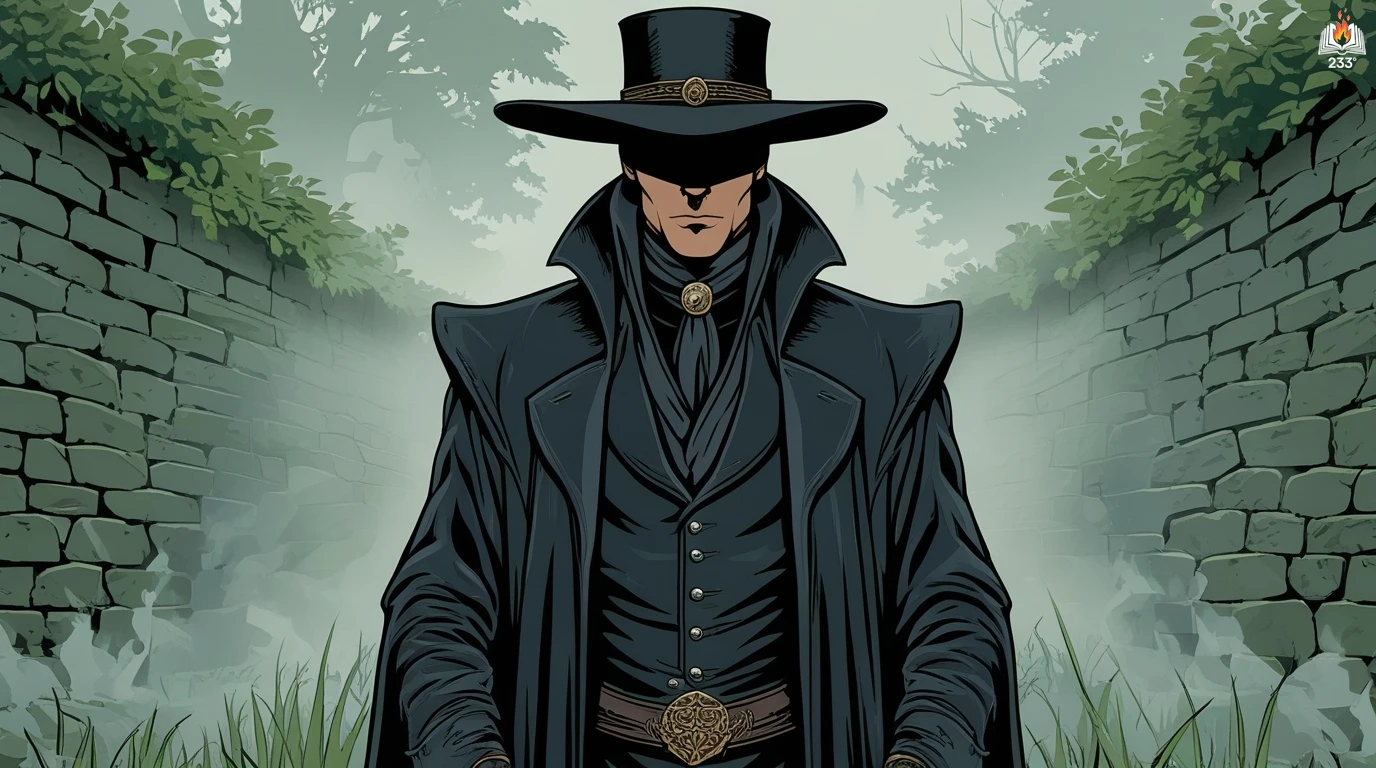
Lazarus Jann – A gifted, enigmatic toymaker and the master of Cravenmoore. Charismatic yet solitary, Lazarus conceals a tragic past and an obsession with creation that borders on the supernatural. His complex duality as protector and prisoner of his own world makes him a central mystery.
Hannah – A vivacious, chatty village girl and Irene’s fast friend. Grounded and cheerful, she offers comic relief and candid insight. Hannah also serves as a bridge between the Sauvelles and the close-knit community of Blue Bay.
Ismael – Hannah’s cousin, a quiet, introspective sailor with a mysterious past and a wounded heart. Ismael’s bond with Irene grows into a tender romance, anchored in shared vulnerability and silent strength. He’s a key figure in uncovering the truths behind the island legends and Cravenmoore’s darkness.
Theme
Grief and the Ghosts of Memory – The shadow of Irene’s father and the ruined past of Cravenmoore mirror one another. The characters carry grief as a living presence, which shapes their dreams, fears, and desires. Memory in the novel is both sanctuary and prison.
Coming of Age in a Haunted World – As Irene navigates first love, personal loss, and unexplainable terrors, the story becomes a gothic bildungsroman. The threshold between childhood and adulthood is symbolized by both romance and risk, wonder and horror.
Fantasy vs. Reality – Cravenmoore and its automata, as well as the island’s ghost legends, question what is real and what is illusion. Zafón plays with perception, blurring the lines between the mechanical and the magical, the believable and the fantastical.
The Danger of Obsession – Lazarus Jann’s desire to create life in his machines becomes a metaphor for playing god, and the toll such obsession takes on both creator and creation. Obsession becomes a corruptive force, masquerading as genius.
Light and Shadow – Symbolically and literally, light and shadow are everywhere: the comforting glow of the lighthouse, the flicker of haunted memories, the living shadows within Cravenmoore. They represent the duality of safety and danger, truth and illusion.
Writing Style and Tone
Carlos Ruiz Zafón’s prose is lush, lyrical, and evocative. His descriptive passages paint dreamlike landscapes – wind-swept cliffs, moonlit forests, and mist-wreathed mansions shimmer with mystery. Though written for younger readers, the novel never condescends. Instead, it engages with rich metaphors and sensory detail, weaving a tapestry of language that is both nostalgic and chilling. Dialogue flows naturally and character introspection is rendered with maturity and emotional insight.
Zafón’s tone is atmospheric, often melancholic, with a gothic undercurrent that permeates even the sunniest scenes. He moves fluidly between warmth and dread, balancing the innocence of a seaside summer with the creeping terror of what lies beneath. At times whimsical and at others somber, the tone mirrors the emotional complexity of adolescence and the lingering sorrow of loss. His storytelling is cinematic, crafting scenes that unfold with visual elegance and a sense of foreboding, enhanced by his signature use of literary allusion and classical structure.
Quotes
The Watcher in the Shadows – Carlos Ruiz Zafon (1995) Quotes
“I've learnt that solitude is sometimes a path that leads to peace”
“(...)where tourists and people from the city came in search of sand, sun and expensive forms of boredome.”
“I imagine some people, like some toys, are born defective - which I suppose makes us all broken toys, don't you think?”
“Every piece of that marvelous world was a silent tear.”
We hope this summary has sparked your interest and would appreciate you following Celsius 233 on social media:
There’s a treasure trove of other fascinating book summaries waiting for you. Check out our collection of stories that inspire, thrill, and provoke thought, just like this one by checking out the Book Shelf or the Library
Remember, while our summaries capture the essence, they can never replace the full experience of reading the book. If this summary intrigued you, consider diving into the complete story – buy the book and immerse yourself in the author’s original work.
If you want to request a book summary, click here.
When Saurabh is not working/watching football/reading books/traveling, you can reach him via Twitter/X, LinkedIn, or Threads
Restart reading!