
The Prince of Mist by Carlos Ruiz Zafón was first published in 1993 and marked the beginning of the author’s literary career. Written initially for younger readers, it later gained acclaim among audiences of all ages. Set during the shadow of World War II in 1943, the story follows the Carver family as they relocate to a coastal town, where young Max Carver uncovers eerie mysteries surrounding an abandoned house, a sunken ship, and a supernatural entity known only as the Prince of Mist. This haunting tale is the first installment in Zafón’s Niebla Trilogy, a thematic series exploring memory, fate, and the power of the past.
Plot Summary
In the summer of 1943, with the world engulfed by the shadow of war, the Carver family leaves behind their home in the city to seek refuge in a small coastal town. Maximilian Carver, a watchmaker with a mind full of inventions, chooses this quiet place to protect his family from the chaos engulfing the world. On the eve of his thirteenth birthday, Max receives a mysterious pocket watch from his father, its face marked with moons and suns, an enchanting gift that hints at the strange journey ahead.
The town they arrive in feels like a world apart – a neat parade of pastel Victorian houses, clean streets, and the ceaseless, soothing murmur of the sea. Their new home stands near the beach, a white wooden house with a history both tragic and strange. It once belonged to the Fleischmann family, who fled a sorrowful past after their young son, Jacob, drowned near the shore. The house, left empty for years, is wrapped in dust and shadows, but its walls seem to whisper secrets of joy lost and dark pacts made.
Max, struggling to accept the upheaval, is drawn to the mysteries around the house. He discovers a walled garden behind the property, filled with eerie statues arranged in the shape of a six-pointed star. The statues depict members of a circus troupe frozen in time – a lion tamer, a strongman, a fakir, and most unsettling of all, a clown with a large glove stretched out as if inviting something unseen. The garden’s air is thick with an unnatural stillness, as if time itself hesitates in its presence.
The arrival of Irina’s cat, a sleek black feline with hypnotic golden eyes, adds a peculiar chill to the household. It watches the family with cold detachment, often appearing and disappearing like a ghostly sentinel. Alicia, Max’s older sister, finds herself quietly unsettled by the cat’s presence, sensing an evil lurking beneath the calm surface of their new life.
Max meets Roland, a local boy with sun-kissed skin and piercing green eyes. Roland lives with his adoptive grandfather, the lighthouse keeper Victor Kray, and knows the town’s secrets better than most. Through Roland, Max explores the rugged cliffs and sunken shipwreck that lie beneath the waves, places where the sea holds memories of storms and loss. Roland’s world is tinged with sorrow too – he will soon be called to war, a fate Max cannot yet fully grasp but feels as an inevitable shadow over their summer.
The Carvers begin to settle, and Max’s father restores an old film projector and finds boxes of unlabeled films in the garden shed. One night, the family watches the flickering images of a home movie made by the Fleischmanns, scenes of the forest, the walled garden, and the eerie statues that seem to move in the grainy light. The silent clown’s face in the film disturbs Alicia deeply – she reveals to Max that she had dreamt of the clown before they even arrived, but in her dream it was not a clown at all, but something far more sinister.
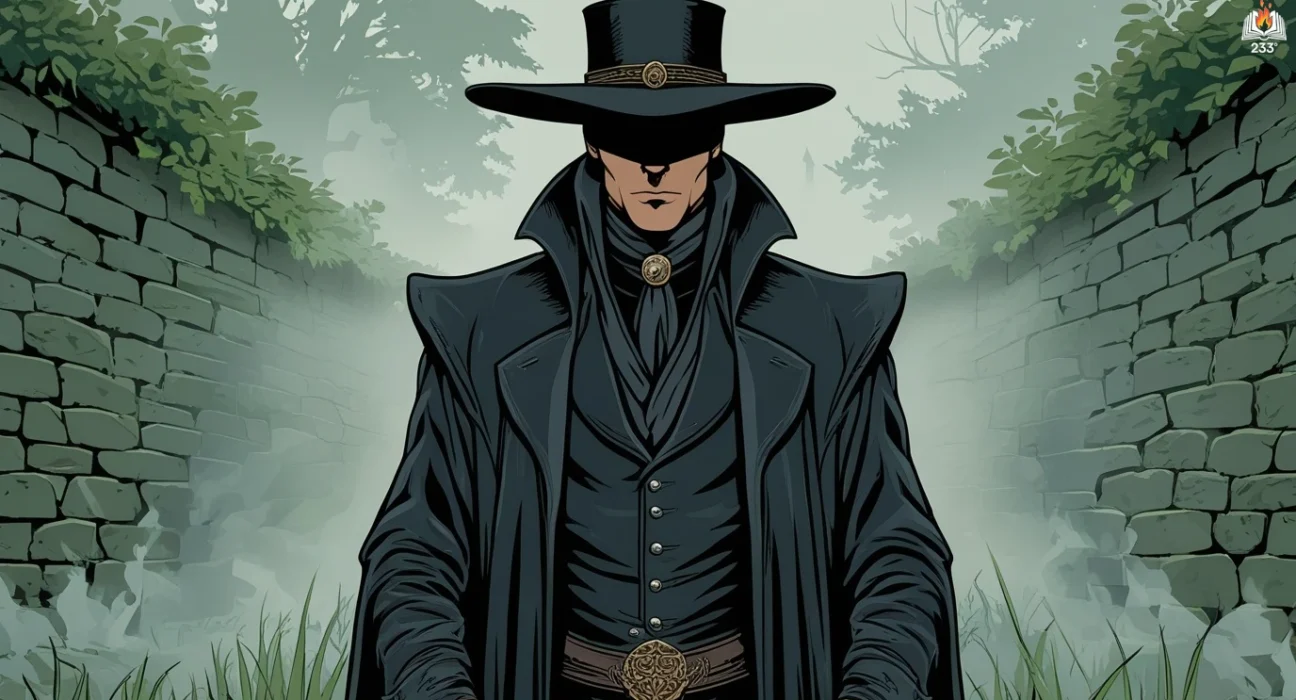
The presence behind the garden is known as the Prince of Mist, an ancient and malevolent spirit who grants wishes but demands a terrible price. He is no mere ghost but a dark magician named Cain, bound to the house and the shore, wielding control over fate itself. The flesh-and-blood tragedy of the Fleischmann family was only the beginning of his cruel bargains, and now the Carvers stand in the crosshairs of his ominous games.
As the days unfold, Max and Roland uncover the clues left by the past, following the threads that tie the Prince of Mist to the drowned boy Jacob and the cursed statues in the garden. They learn that Cain once made a pact with Jacob’s father, a deal forged in desperation and sealed with blood. The statues are not simply stone – they are the frozen forms of those caught in the Prince’s malevolent web, victims turned into eternal prisoners of his will.
The cat, more than a mere animal, is revealed as a guardian or spy for the Prince, its watchful eyes tracking the family’s every move. Max’s determination to protect his siblings grows as the shadows lengthen, and Alicia sheds some of her emotional distance to join the fight against the supernatural threat that looms closer.
In a race against time and fate, Max, Roland, and Alicia confront the Prince of Mist in the heart of the garden. They challenge his dark power, seeking to break the ancient curse and free those bound to his malevolence. Danger stalks their every step – the price for defiance is steep, but surrender means the loss of everything they hold dear.
Their struggle unfolds beneath the silver light of the moon, with the sea as a witness and the wind whispering secrets through the trees. The Prince’s smile is cold and cruel, but the courage of the young friends and the bonds of family prove stronger than the dark magic that seeks to claim them.
In the final moments, the Carvers face the terrible choices demanded by the Prince. They summon all their strength and hope, and the ancient pact is broken. The statues are freed from their stone prisons, and the garden breathes life once more. The shadow that hung over the house lifts, and the waves crash gently on the shore, washing away the last traces of the Prince’s terrible reign.
Though the war still rages beyond their quiet town, a fragile peace settles over the Carvers’ new home. The bond between Max and Alicia deepens, no longer strangers but united by the trials they endured. Roland, too, finds a place in their lives, a friend whose presence brings light even in uncertain times.
Max keeps the pocket watch his father gave him, its moons and suns a reminder that time is not just measured by hours but by moments of courage, love, and the magic that sometimes, just sometimes, exists between the ticking seconds.
The summer ends with the sea shimmering under the sun, and the house at the end of the beach standing tall against the horizon – a home where memories are no longer chains but wings, where the past is honored, and the future, though uncertain, is theirs to shape.
Main Characters
Max Carver – A curious and intelligent thirteen-year-old boy with a strong moral compass and a natural inclination toward uncovering mysteries. His sense of wonder and growing courage drive the story forward, especially as he faces the unknown terrors lurking behind the veil of reality. Max’s journey is also an emotional one – he must cope with displacement, fear, and the haunting idea of fate.
Alicia Carver – Max’s older sister, fifteen, aloof and emotionally complex, Alicia is initially distant and resistant to their new life. Yet as the mystery deepens, her relationship with Max strengthens, revealing her inner vulnerability and intelligence. Her quiet strength becomes vital as events unfold, and her connection with Roland adds emotional stakes to the unfolding supernatural drama.
Irina Carver – The youngest Carver sibling at eight years old. Irina is imaginative and strong-willed, and her adoption of a strange cat early in the novel acts as an unsettling harbinger of the novel’s dark turn. Her innocence contrasts sharply with the escalating horror around the family.
Maximilian Carver – Max’s eccentric and optimistic father, a watchmaker with an inventor’s mind. His practical nature is tinged with idealism, and although he is the one who relocates the family, his sensitivity to the dangers they face becomes increasingly evident.
Andrea Carver – A calm and perceptive mother, Andrea anchors the family emotionally. She shows quiet foresight and empathy, and her emotional intelligence gives comfort in moments of fear and instability.
Roland – A local teenager and Max’s new friend, Roland lives with his grandfather Victor Kray and introduces Max to the town’s history. Charismatic yet troubled, Roland becomes central to the mystery and shares a significant bond with Alicia. His personal connection to the supernatural events forms the emotional core of the story’s climax.
Victor Kray – The town’s lighthouse keeper and Roland’s guardian. A man of science and silence, he holds the key to understanding the sinister past. His reticence and hidden knowledge about the Prince of Mist add gravitas to the story’s suspense.
The Prince of Mist (Cain) – A spectral and malevolent figure, a sinister magician who grants wishes at terrible costs. His presence is tied to the tragic past of the Fleischmann family and symbolizes a pact with evil. He operates from the shadows, manipulating the lives of others through fear and desire.
Theme
Memory and the Haunting Past: The past permeates every corner of the story – from the abandoned house to the garden of statues, every place Max explores holds memories that refuse to die. The lingering grief of the Fleischmanns, the town’s quiet silence, and the shipwreck’s legacy all highlight how the past’s unresolved elements continue to echo through the present.
Coming of Age: For Max, the journey is not just external but internal. His exposure to death, love, fear, and sacrifice marks his transition from innocence to maturity. Alicia undergoes a similar evolution, stepping beyond the emotional shell of adolescence as she faces both loss and connection.
Evil and Bargains with the Supernatural: The Prince of Mist represents the temptation of wish-fulfillment and the terrible price it exacts. The theme explores human weakness, greed, and the illusion of control. Every gift from the Prince is tainted – a warning against dealings with darkness, no matter the desperation.
The Sea and Water as Symbols: The ocean is ever-present – beautiful yet deadly. It offers mystery, freedom, and secrets buried beneath its depths. Water represents the unknown, the unconscious, and the boundary between the natural and supernatural realms.
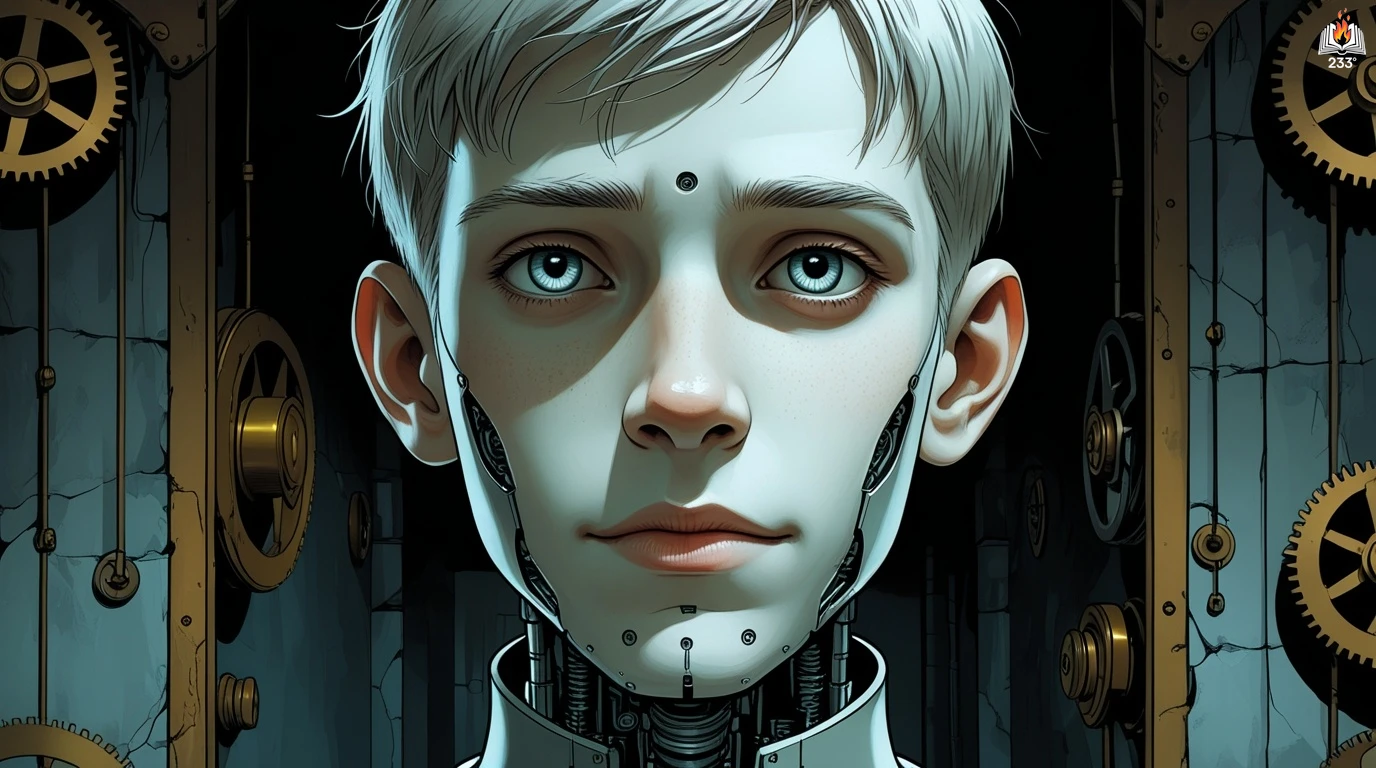
Time and Clocks: From Max’s birthday gift of a magical watch to the reversed clock at the train station, time in the novel is fluid and symbolic. It marks transformation, decay, and the supernatural’s intrusion into reality.
Writing Style and Tone
Carlos Ruiz Zafón’s prose in The Prince of Mist is lyrical and atmospheric, weaving sensory detail with philosophical undercurrents. His style is accessible yet haunting, echoing the gothic tradition while maintaining a brisk pace suitable for younger readers. He paints scenes with vivid clarity, often through Max’s introspective lens, using elegant metaphors and tactile imagery to evoke emotion and suspense.
The narrative tone is a delicate balance between nostalgia and dread. The warmth of family life and summer days gives way to creeping fear as shadows grow longer. Zafón never rushes the suspense – he builds it with whispers, glances, and quiet discoveries. Dialogue feels intimate and purposeful, grounding the fantastical in emotional realism. This layered style allows the horror elements to bloom slowly and stay with the reader long after the final page.
Quotes
The Prince of Mist – Carlos Ruiz Zafn (1993) Quotes
“Whenever it poured like this, Max felt as if time was pausing. It was like a cease-fire during which you could stop whatever you were doing and just stand by a window for hours, watching the performance, an endless curtain of tears falling from heaven.”
“He lost himself in the words and images conjured in his mind and for a while forgot ... He found himself flying among stars and planets ...”
“Max had once read in one of his father's books that some childhood images become engraved in the mind like photographs, like scenes you can return to again and again and will always remember, no matter how much time goes by.”
“[H]e lay awake, dreading the dawn when he would have to say good-bye to the small universe he had built for himself over the years.”
“1My father says a hunch is your brain’s way of taking a short cut to the truth,’ replied Max. ‘He’s a wise man, your father. What else does he say?’ ‘That the more you try to hide from the truth, the quicker it finds you.”
“Now he knew that any memories he might cherish during the last years of his life would be only fictions from a biography he'd never lived.”
We hope this summary has sparked your interest and would appreciate you following Celsius 233 on social media:
There’s a treasure trove of other fascinating book summaries waiting for you. Check out our collection of stories that inspire, thrill, and provoke thought, just like this one by checking out the Book Shelf or the Library
Remember, while our summaries capture the essence, they can never replace the full experience of reading the book. If this summary intrigued you, consider diving into the complete story – buy the book and immerse yourself in the author’s original work.
If you want to request a book summary, click here.
When Saurabh is not working/watching football/reading books/traveling, you can reach him via Twitter/X, LinkedIn, or Threads
Restart reading!