
Brighter Than the Sun by Julia Quinn, published in 1997, is a sparkling Regency romance that is part of the author’s beloved universe of witty, emotionally resonant historical love stories. With her signature charm, Quinn weaves a tale built around the classic trope of a “marriage of convenience” turned unexpectedly heartfelt. Set in Kent, England, in 1817, the novel follows the unlikely and entertaining courtship between Charles Wycombe, the rakish Earl of Billington, and Eleanor Lyndon, a practical and spirited vicar’s daughter. Their whirlwind journey to the altar is fraught with comic misunderstandings, family meddling, and just enough danger to keep readers eagerly turning pages.
Plot Summary
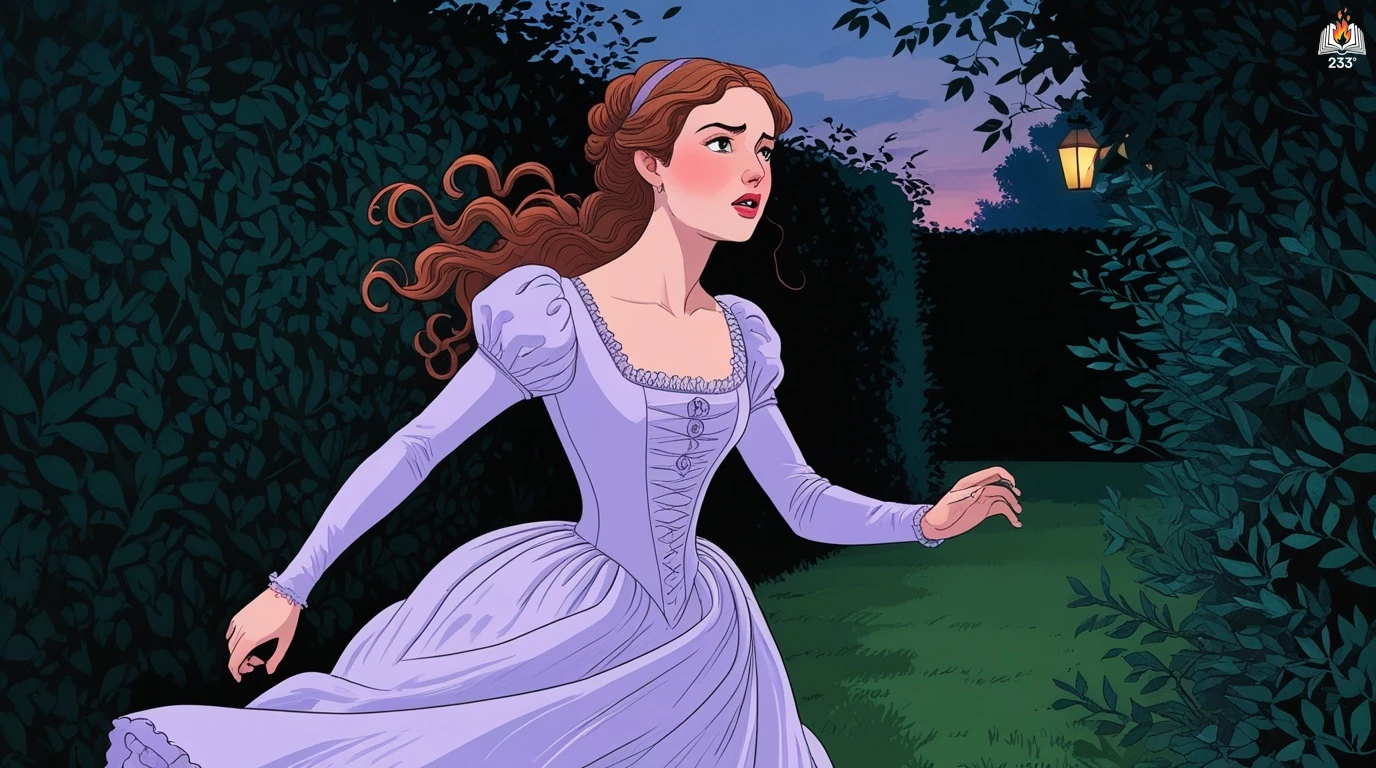
Charles Wycombe, the Earl of Billington, never expected to fall out of a tree, much less into the life of a stubborn, intelligent woman with sharp eyes and an even sharper tongue. But on a crisp autumn day in 1817, as whiskey clouded his senses and a tree branch betrayed his balance, he landed quite literally at the feet of Miss Eleanor Lyndon. Ellie, a vicar’s daughter with a keen mind for investments and a biting wit, had been walking quietly, lost in calculations about her sugar stock dividends, when the very drunk earl came crashing into her life.
Charles, sprained ankle and all, was charming even in pain. Ellie, irritated but intrigued, helped him up with begrudging amusement. Their banter began at once – his roguish charm met by her practical barbs, his rakish flirtation balanced by her unimpressed scowl. It was the kind of exchange that promised trouble, laughter, and something neither of them expected.
For Charles, trouble was already looming. His late father had left a clause in his will: if Charles was not married by his thirtieth birthday – now just fifteen days away – every unentailed penny of his inheritance would pass to a greedy cousin. A practical man with no patience for debutante theatrics or cold-blooded fortune hunters, Charles was in desperate need of a bride. And here was Eleanor Lyndon – intelligent, plainspoken, entirely unpretentious, and surprisingly resistant to his charm. The more she rebuffed him, the more certain he became that she was precisely the woman he needed.
When he asked her to marry him, still wobbling on his sprained ankle and drunk on more than whiskey, Ellie dropped him. Literally. Furious at what she assumed was mockery, she stormed off, determined to forget the man entirely. But fate had other ideas. Back at home, her father’s household was quickly becoming unbearable. The Reverend Mr. Lyndon, ever rigid and oblivious, was preparing to marry Sally Foxglove, a self-righteous widow with the warmth of a scorpion and the ambition of a general. Sally made no secret of her desire to rule the household – or of her intention to send Ellie packing unless she married one of the pitiable bachelors on her carefully curated list.
Ellie, who had long relied on her secret nest egg – money she had quietly invested through a solicitor under her father’s name – planned her escape. But when she tried to withdraw her funds, the solicitor demanded her father’s signature. Her plan unraveled in a moment, and she found herself stranded, soaked in rain, trudging through the mud toward Wycombe Abbey with only one name left to consider.
Charles was equal parts pleased and amused to see her standing at his door, drenched and furious. In classic form, he pretended not to recognize her. That earned him a shove and another tumble to the floor. But there was something about Ellie’s fire, her wit, her refusal to be dazzled by wealth or intimidated by rank, that told Charles she was the only woman who could keep pace with him. He offered her tea. She demanded conditions.
Ellie would marry him, yes – but she would retain access to her own money. She would not tolerate interference, and she made no promises of devotion or romantic illusions. Charles, who needed only a name on a marriage license to secure his inheritance, agreed. What neither of them confessed aloud was how much they both secretly hoped for more than practicality.
Their engagement, forged in haste, was sealed by a kiss that neither expected and both remembered. With the wedding planned almost overnight and a suspicious household watching every move, they began the delicate dance of pretending not to care while caring entirely too much. Ellie discovered that Charles, for all his flirtations, possessed a quiet sense of honor and unexpected generosity. He, in turn, found that Ellie’s prickly independence masked a deep well of vulnerability and kindness.
Yet all was not well in the halls of Wycombe Abbey. Sabotage crept through the corridors – missing items, sudden fires, small accidents too precise to be coincidental. Ellie, ever practical, tried to dismiss it, but soon the danger grew harder to ignore. Someone wanted her gone, and the closer she drew to Charles, the more threatening the warnings became.
As the attacks escalated, Ellie found herself caught between pride and fear. She could handle gossip, disapproval, even disinterest – but she wasn’t prepared for affection, not the way Charles offered it in his quiet gestures and unspoken concern. And Charles, faced with the very real threat to his bride, discovered a furious protectiveness he had never known he possessed.
They had married for convenience, but convenience was no match for the slow, bewildering pull of love. It crept in between their conversations and their silences, wrapped itself into the teasing remarks, the shared glances, the late-night talks. Charles found himself reluctant to leave her side. Ellie found herself hoping he wouldn’t.
When the culprit was unmasked – a resentful relative who stood to gain from Charles’s failure – the danger passed, but something else remained. The home they had tried to share politely now felt real. The partnership they had signed into out of necessity had become something far deeper.
It was Ellie who finally, stubbornly, made the leap. She told Charles, in her own honest, blunt way, that she didn’t just tolerate him. She liked him. Respected him. Might even, in time, love him.
Charles kissed her, not like a man claiming his property, but like a man who knew he’d won something far rarer. A partner who would not flatter him, who would never wilt, who would always challenge him to be better. He had found not only his countess but his match.
And so, amid accounts of sugar stocks and sarcastic exchanges, in a home once too vast and cold, two people who never expected to fall in love did exactly that. Not with fireworks or grand declarations, but with a quiet certainty that neither one ever dared to hope for.
Main Characters
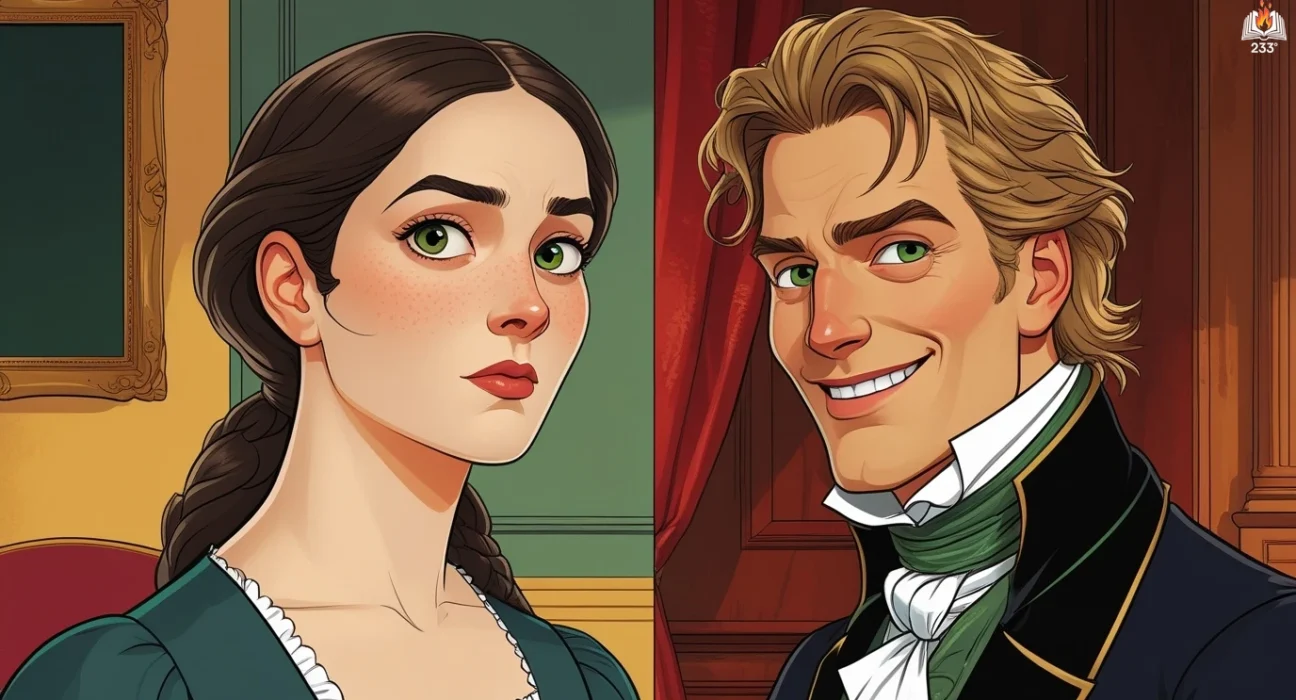
Eleanor Lyndon (Ellie): Ellie is sharp, witty, and fiercely independent. As the intelligent daughter of a vicar, she’s endured a stifling home life complicated further by her father’s insufferable fiancée. Ellie has a biting tongue and a pragmatic mind – traits that make her both endearing and formidable. Her kindness, quick wit, and resourcefulness shine through as she navigates unexpected proposals, unruly estates, and eventual affection. Her journey is one of self-assertion, balancing independence with vulnerability.
Charles Wycombe, Earl of Billington: A charming rake with a pressing inheritance dilemma, Charles is initially portrayed as a charismatic but careless aristocrat. Forced to marry within fifteen days to secure his fortune, he stumbles—literally—into Ellie’s life. His transition from a reluctant suitor to a devoted partner is subtly layered, revealing his deeper capacity for loyalty, humor, and love. Charles’s flirtatious banter hides a man seeking stability, respect, and perhaps redemption.
Mrs. Sally Foxglove: The overbearing fiancée of Ellie’s father, Sally is comically tyrannical. Her condescending view of Ellie and her obsessive need for control make her a villainous delight. She symbolizes the restrictive societal expectations women like Ellie must contend with.
Reverend Mr. Lyndon: Ellie’s strict and somewhat oblivious father, he fails to see the oppressive nature of his new fiancée and the toll it takes on his daughter. Though not villainous, his inaction places Ellie in an impossible situation.
Theme
Marriage of Convenience vs. True Love: The novel centers around a contractual engagement that blossoms into genuine affection. Julia Quinn playfully explores how obligation can transform into passion, and how love often emerges in the most unexpected circumstances.
Female Independence and Agency: Ellie’s refusal to accept a life of drudgery under her father and Sally Foxglove’s rule propels the narrative. Her financial savvy and determination to control her own destiny defy the typical expectations placed on women of her class and time.
Family and Societal Expectations: The story highlights the tension between personal happiness and social duty. Ellie and Charles must navigate their respective obligations—to family, society, and tradition—while forging their own path.
Wit and Wordplay as Emotional Armor: Both protagonists use sarcasm, humor, and verbal sparring to protect themselves. Their banter becomes a form of intimacy and trust-building, adding depth to their evolving relationship.
Writing Style and Tone
Julia Quinn’s writing in Brighter Than the Sun is effervescent, character-driven, and delightfully conversational. Her prose strikes a harmonious balance between historical elegance and modern readability, making the Regency setting accessible without compromising period charm. The use of quick-witted dialogue not only propels the story but also deepens character relationships, especially between Ellie and Charles. Quinn’s comedic timing is impeccable, often using internal monologue and situational irony to great effect.
The tone is predominantly light-hearted, romantic, and whimsical, though grounded by moments of sincerity and introspection. Quinn deftly weaves humor with emotional stakes, ensuring the reader is both entertained and emotionally invested. The novel’s whimsicality is never frivolous – it instead highlights the absurdities of social expectations and the messiness of human emotions. Even when exploring heavier subjects like loneliness or insecurity, the tone remains hopeful and affirming, staying true to Quinn’s romantic vision.
Quotes
Brighter Than the Sun – Julia Quinn (1997) Quotes
“He smacked the heel of his hand against his forhead, as if that could knock the mental picture out of his head. Hell, he though irritably, he didn't want to knock the image just out of his head. He wanted to send it clear across the room and out the window.”
“I wanted to skewer her with a stare, flay her with a frown, impale her with a—I say, what are you doing?" Charles would have answered her, but he was laughing so hard he was doubled over.”
“ "What do you say, Miss Lyndon? Shall we have a go at it?" " 'Shall we have a go at it?' " Ellie choked out. Really, this was not the proposal of her dreams. ”
“He poked her shoulder. 'Ellie? Ellie?' 'What? Oh, I'm sorry.' Her face colored, even though she knew he couldn't possibly read her thoughts. 'Just woolgathering.' 'Darling, you were practically hugging a sheep.”
“It is simply a matter of making sure they realize that you are comfortable with them. Once they realize that, they will be comfortable with you.”
“Claire hasn't told me why she behaved as such, although I have a good idea.' 'I suspect you do,' Ellie said quietly. 'Thank you for not embarrassing her before Charles.' 'She didn't need her heart broken twice.”
“I shall freckle." "That doesn't bother me," he said with a shrug. "It bothers me!" "Don't worry. They'll be on your own face, so you won't have to see them." Ellie gaped at him, astounded by his illogic.”
“I believe I told you I am utterly serious. I never lie." "Now that is a clanker if ever I heard one." she retorted. "Well, then, I never lie about anything important." Her hands found their way to her hips and she let out a loud, "Harumph.”
“Mrs. Stubbs let out a grumble and muttered, “It’s very cold.” “Of course it is,” Ellie replied. “It’s ice.”
“How dare you," she breathed. "How dare you." Charles lifted one shoulder in an insolent shrug. "It was either kiss you or kill you. I thought I made the right choice." He strode to the connecting door and put his hand on the knob. "Don't prove me wrong.”
We hope this summary has sparked your interest and would appreciate you following Celsius 233 on social media:
There’s a treasure trove of other fascinating book summaries waiting for you. Check out our collection of stories that inspire, thrill, and provoke thought, just like this one by checking out the Book Shelf or the Library
Remember, while our summaries capture the essence, they can never replace the full experience of reading the book. If this summary intrigued you, consider diving into the complete story – buy the book and immerse yourself in the author’s original work.
If you want to request a book summary, click here.
When Saurabh is not working/watching football/reading books/traveling, you can reach him via Twitter/X, LinkedIn, or Threads
Restart reading!