Lasher by Anne Rice, published in 1993, is the second installment in her haunting Lives of the Mayfair Witches series. Continuing from where The Witching Hour left off, the novel plunges deeper into the dark and mystifying legacy of the Mayfair family and their supernatural connection to the enigmatic being known as Lasher. Set against the lush, decaying grandeur of New Orleans and the ancient stone circles of Scotland, Lasher fuses gothic horror, historical fiction, and the occult in a rich, hypnotic narrative that explores the monstrous and the divine within the same breath.
Plot Summary
In the darkness of a haunted legacy, the child stirred. She was Emaleth, born not of mere human parents but of ancient power and forgotten myth. Rowan Mayfair, brilliant surgeon and queen of a vast family lineage steeped in witchcraft, had brought Lasher into the flesh – not just a spirit now, but a man. Beautiful, terrifying, filled with longing and ambition. He had crossed centuries as an ethereal companion to the Mayfair women, always whispering, always pulling strings. Now he stood before her, corporeal, hungry, and unstoppable.
Lasher’s birth was no miracle but an unraveling. From the moment he emerged into the world through Rowan’s pain and blood, he had a single aim – the rebirth of his kind, the Taltos, an ancient species that once walked the earth with eerie grace and knowledge beyond human comprehension. He saw Rowan not as wife or lover, but as vessel and queen, the chosen one to give birth to his children and restore his race.
Rowan, once in control of science and self, found herself unraveling under Lasher’s influence. The house on First Street in New Orleans bore witness to their spiraling descent. Blood stained the floors, whispers echoed through the halls, and the very walls pulsed with old memories. Rowan vanished with Lasher, and with her went the promise of safety. Michael Curry, her husband, left broken in mind and body, clung to life after nearly drowning in the pool, his heart ravaged, his soul even more so.
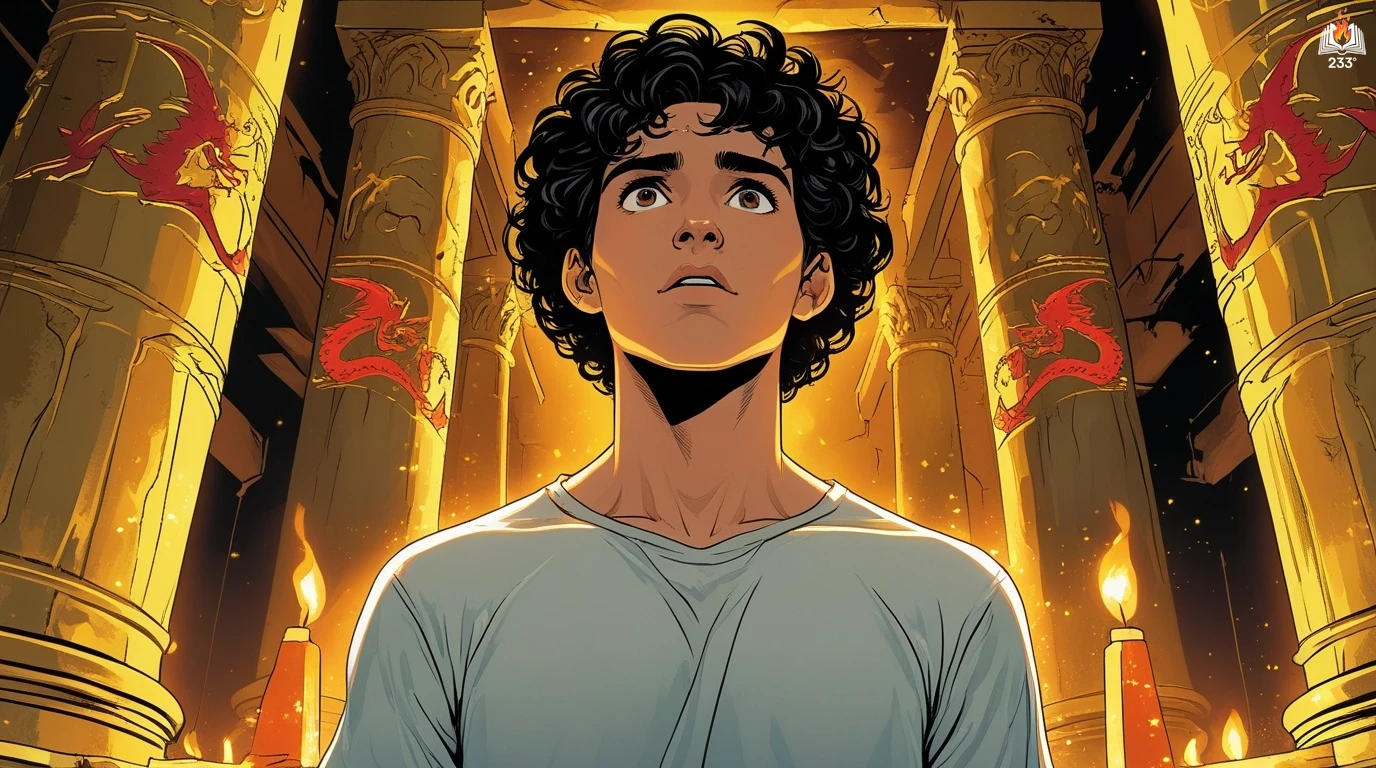
Into the void stepped Mona Mayfair, thirteen years old and possessed of a mind too sharp and a will too strong for her years. With flaming red hair and a secret file on her computer tracking every tendril of the Mayfair legacy, Mona knew more than most. She had read the ancient Talamasca history, knew of Donnelaith, the cursed Scottish village where the Mayfair witches began, and she knew of the Taltos, those mythical creatures of beauty and speed who were not human but something more. Mona wanted to know everything, especially what happened to Rowan. And perhaps, she wanted Michael too – the gentle giant with the wounded heart.
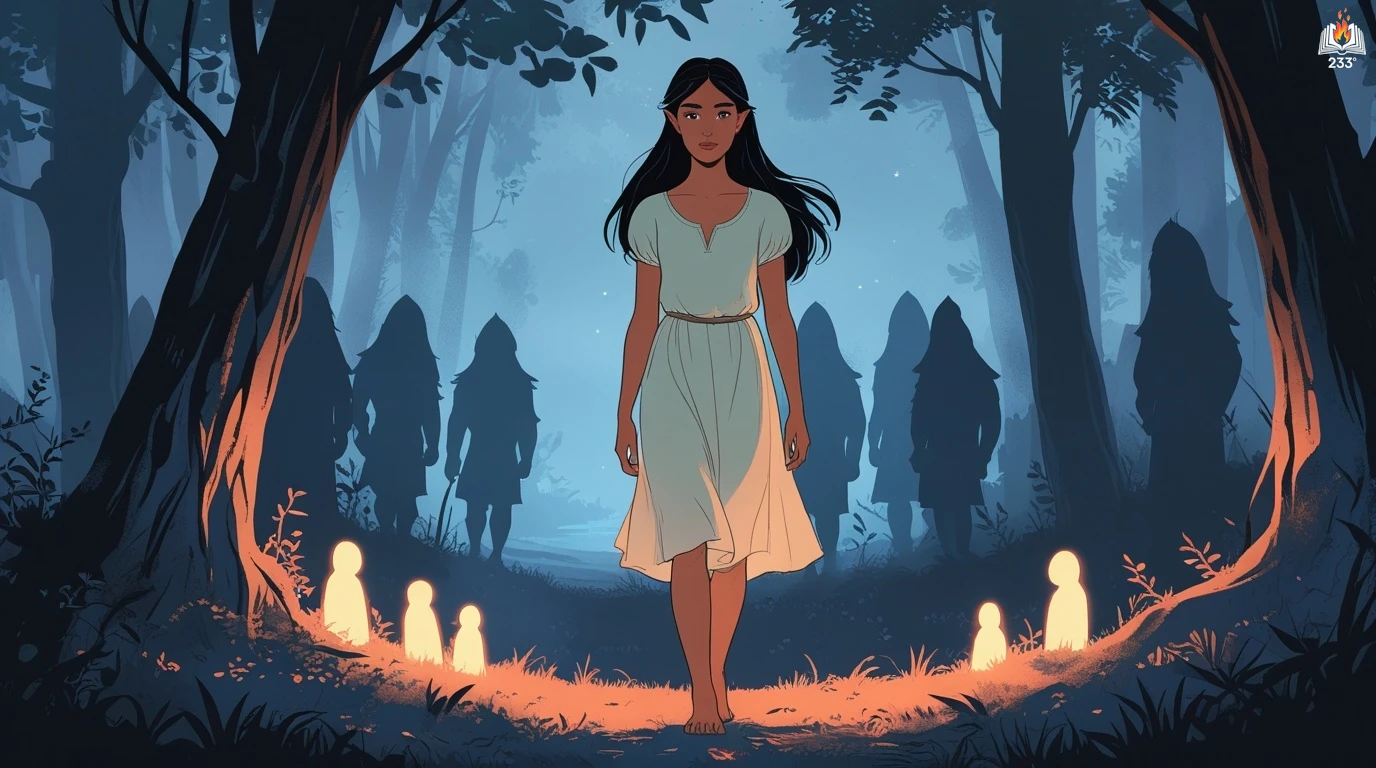
Lasher’s power grew with his body. He remembered his ancient homeland and longed for the stone circle at Donnelaith. With Rowan, he fled to Europe, to the ruins of what had once been sacred ground for his kind. There, he sought the reawakening of his race. Emaleth was born in the shadows of those stones – not an infant but a full-grown, ethereal Taltos girl, speaking in the fast language, knowing the songs of old. She was his daughter, his mate, his creation. But Rowan, seeing the truth in her daughter’s eyes, understood the horror she had unleashed. The Taltos were not human. They knew no childhood, only conception, birth, and maturity in hours. They were the echo of a lost world. And now they were returning.
But Rowan had not surrendered completely. Hidden beneath the layers of grief and shock was a purpose, a need to stop what had begun. She killed Emaleth, not out of malice, but to end the line before it grew uncontrollable. She fled back to the United States, carrying in her heart the weight of death and the burden of knowledge no one should have.
Meanwhile, Michael, left with the fragments of memory and the fury of love lost, struggled to understand what had happened. His psychic visions, once controlled, now flooded him with images of Rowan, of blood, of a baby with ancient eyes. He sought answers in the family’s history, in the writings of the Talamasca, in the ancestral home that had once seemed only eccentric, now alive with malignant whispers.
The Talamasca – secretive keepers of arcane histories – had long watched the Mayfairs, and now they moved more directly. Aaron Lightner, Michael’s friend and an aged scholar of the order, tried to piece together the puzzle. What was Lasher? What were the Taltos? Could it be that these creatures were real, not myth, and that the Mayfairs had served as a breeding ground for them across generations? In their archives, buried beneath centuries of lore, the truth pulsed like a vein – the Taltos had lived once, tall and otherworldly, dancing through time with melodies only they could sing. They had been hunted, feared, exterminated. But a few had survived, hiding in human bloodlines, waiting for resurrection.
Lasher, now fully aware of his lineage and purpose, sought not just progeny but dominion. His body, though beautiful, began to fail him – a product of unnatural birth. He turned to violence, to manipulation, to forcing the world to bend to his need. But Rowan, hardened by guilt and sharpened by the terror she had birthed, became his undoing. She did not love him. She never had. She had created a god, but he was monstrous. She watched him die not as a demon, but as a creature who longed for a lost race and died in loneliness.
Michael and Rowan found each other again, but the world between them had changed. Trust lay in ruins. The child they had brought into being was dead. Lasher was gone, but echoes of him remained – in the bloodline, in the houses, in the stone circles. Rowan, exhausted and bitter, turned to silence. Michael, devastated but strong, stayed behind with Mona and the others, trying to shield the next generation from what had passed.
But the Mayfair legacy was not so easily silenced. In the shadows, Emaleth had not been the only one. Another Taltos had survived – Ash, an ancient being who had lived for centuries in hiding. He watched from afar, waiting, wondering if it was time to return. The dream of Lasher lived on, not in power or vengeance, but in memory. The world did not know it yet, but the age of the Taltos was not over.
In the Mayfair house, where the scent of blood and flowers never faded, Mona sat at her computer, her files open, her mind alight. She was writing her own history now, piecing together the spells and secrets, the truths no one dared speak. Her bow was tied, her dress starched, and her eyes, green as moss, watched the night for ghosts. Rowan had brought something into the world that could not be erased. And Mona, youngest of the Mayfairs, knew she was next.
Main Characters
Rowan Mayfair – The brilliant neurosurgeon and designated heir of the Mayfair legacy, Rowan is both fiercely intelligent and deeply tormented. Her complex relationship with Lasher – a spirit she once summoned and who is now flesh – binds her fate to an ancient force she cannot fully control. As she grapples with the consequences of her decisions and the fate of her child, Rowan transitions from a confident scientist to a haunted mother entangled in the web of power, desire, and guilt.
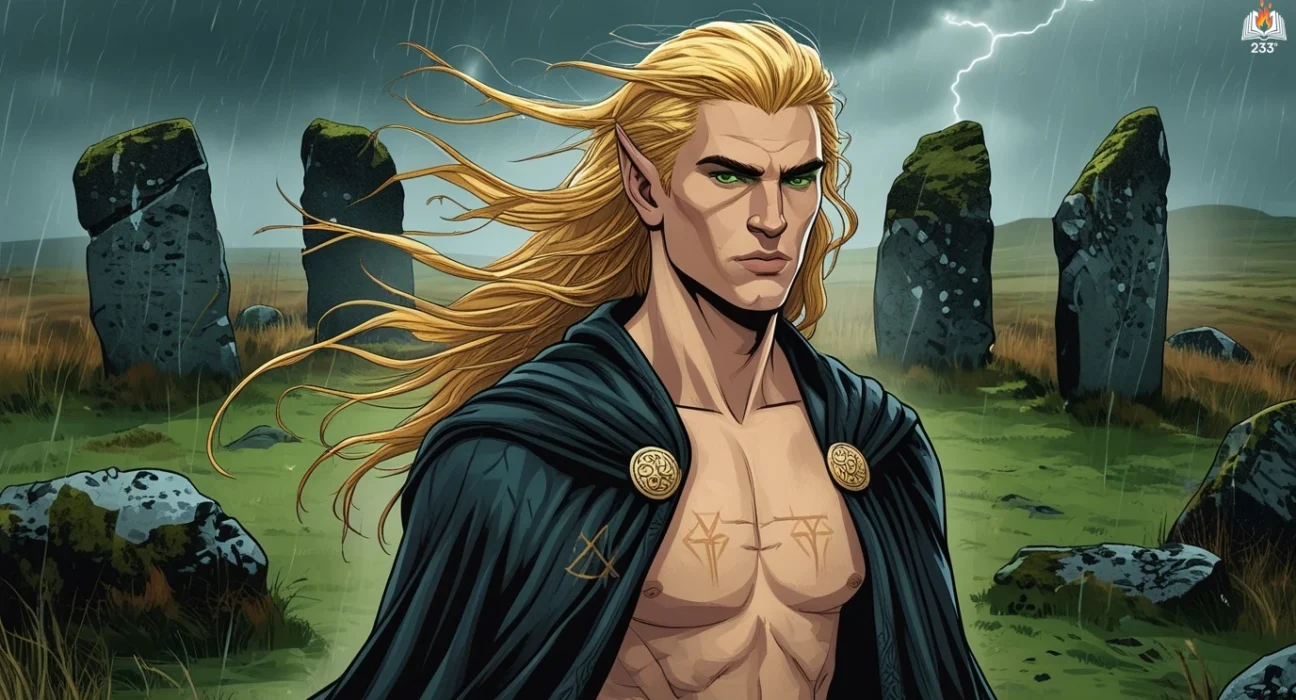
Lasher – Once an ethereal spirit bound to the Mayfair witches, Lasher is now reincarnated into human form through Rowan. Though he exhibits a seductive and almost divine charisma, Lasher is manipulative and obsessed with fulfilling his dream of repopulating the world with his species, the Taltos. He is both lover and tormentor, embodying a chilling combination of romantic ideal and existential threat.
Michael Curry – Rowan’s husband and a powerful psychic, Michael is deeply in love with her yet shattered by her transformation and descent into darkness. His experiences with death and visions shape his inner torment and resolve, as he becomes a reluctant yet determined protector of the Mayfair lineage and a seeker of the truth behind Lasher’s origins.
Mona Mayfair – A precocious teenage witch with an insatiable intellect and a dangerously advanced sense of agency, Mona is both an observer and instigator in the unfolding drama. Her intelligence, sexuality, and supernatural insight position her as a crucial figure in the battle over the Mayfair legacy, even as she seeks affection and recognition in a family mired in secrecy and fear.
Emaleth – The child born of Rowan and Lasher, Emaleth is not just an infant but a sentient and ancient being of the Taltos race. Her existence is a revelation and a tragedy, symbolizing the dangers of tampering with ancient forces. Emaleth’s eerie maturity and tragic fate make her one of the most haunting presences in the novel.
Theme
The Consequences of Power and Knowledge – The novel explores how the pursuit of forbidden knowledge – both scientific and occult – can lead to profound ruin. Rowan’s brilliance and curiosity give birth to Lasher’s corporeal form, but the knowledge she gains through this process shatters her world.
Maternal Instinct and Reproductive Horror – Central to Lasher is the theme of motherhood twisted into something grotesque and sublime. The gestation and birth of Emaleth highlight a disturbing blend of reverence and fear, interrogating the boundaries of human biology and the sacredness of life.
Legacy and Ancestry – The Mayfair family is haunted by its lineage. The narrative delves into generational curses, inherited trauma, and the inescapable pull of ancestral responsibility. Family history becomes a burden that shapes identity, often in destructive ways.
The Nature of the Other – Through the character of Lasher and the mythos of the Taltos, Rice contemplates the concept of the “Other” – entities that challenge the human understanding of morality, evolution, and divinity. Lasher embodies a seductive alien intelligence that is both awe-inspiring and terrifying.
Seduction and Control – The power dynamics of sexual and emotional seduction pervade the novel. Characters are frequently enthralled, manipulated, or dominated by love, lust, and supernatural charisma, particularly in the interactions between Lasher and Rowan, or Mona and Michael.
Writing Style and Tone
Anne Rice’s prose in Lasher is lush, sensual, and deeply atmospheric. She constructs her world with baroque detail, immersing readers in the sensory richness of decaying mansions, ancient rituals, and the surreal internal monologues of her characters. The language is deliberately ornate, echoing 19th-century gothic literature, and serves to heighten the emotional intensity and psychological depth of the narrative.
The tone is unrelentingly dark and hypnotic, threading eroticism with horror in a way that challenges the reader’s comfort. Rice crafts scenes of beauty laced with dread, and even the most tender moments are shadowed by menace. Her use of shifting perspectives – from the psychic visions of Michael, to the precocious insights of Mona, to Lasher’s philosophical musings – offers a kaleidoscopic view of a world where reality, magic, and madness blur. The narrative voice often shifts between lyrical intimacy and clinical detachment, reinforcing the novel’s theme of the uneasy marriage between science and mysticism.
Quotes
Lasher – Anne Rice (1993) Quotes
“We have such a terrible, terrible misconception of science. We think it involves the definite, the precise, the known; it is a horrid series of gates to an unknown as vast as the universe; which means endless.”
“I saw finally the futility of all these gestures, that witchcraft is but a matter of focus-that one cann apply one's fierce and immeasurable energies to an act of choice.”
“everything a man does is part of the moral fabric of who he is, and what he is.”
“One time Gifford had asked Mona: “What’s the difference between men and women?” Mona had said: “Men don’t know what can happen. They’re happy. But women know everything that can happen. They worry all the time.”
“His hands would soon be trembling and he would have indigestion, but he didn’t care. When you love coffee you abandon everything to that love.”
“Words spoken to drunkards were truly words written in water. They vanished into the endless void in which the drunkard languished.”
“New Orleans, city of roaches, city of decay, city of our family, and of happy, happy people.”
“Silence. All around him silence, wrapping up his spoken words and making them loud. Making them sharp in the stillness, like a movement, like a drop in temperature. Silence. There”
“The stars shone as brightly as if they were tumbling on the Final Day.”
“And then I realized that all humans were created for death. They were all born as little struggling innocents, learning to live before they knew what it was about.”
“It is a terrible thing to realize that you depend so much upon another; that your entire sense of well-being is connected to that one—that you need him, love him, that he is the chief witness of your life.”
“Stella, hush up. Be a witch, not a bitch, for the love of heaven.”
“When you love coffee you abandon everything to that love.”
“What a smile. What a dazzle. How I wished for an instant that I had loved him.”
“Is that the proof, Almighty God, that you are not there, that your saints could be such petty demons?”
“because in a way, everything a man does is part of the moral fabric of who he is, and what he is.”
“Yuri loved the coffee. A pot of it. His hands would soon be trembling and he would have indigestion, but he didn’t care. When you love coffee you abandon everything to that love.”
“I like to read things I’ve read before. It’s like listening over and over to your favorite song.”
“She would turn to the Catholic Church to destroy the thing, she said, 'to the power of Christ, and His Holy Mother, and the saints.' We fought a terrible battle of words. I cried out: 'Don't you see that that is nothing but another form of witchcraft?”
“He heard Julien’s voice, with the fancy French accent illuminating the letters, just as surely as the old monks had illuminated letters when they painted them bright red or gold and decorated them with tiny figures and leaves.”
“Mona wasn’t innocent, except in the most serious sense of the word. That is, she didn’t think she was bad, and she didn’t mean to do bad. She was just sort of a ... pagan”
“Ryan looked amazingly composed, as if he’d thrown an inner switch to Business Mode; there was nothing bitter or resentful in his attitude.”
We hope this summary has sparked your interest and would appreciate you following Celsius 233 on social media:
There’s a treasure trove of other fascinating book summaries waiting for you. Check out our collection of stories that inspire, thrill, and provoke thought, just like this one by checking out the Book Shelf or the Library
Remember, while our summaries capture the essence, they can never replace the full experience of reading the book. If this summary intrigued you, consider diving into the complete story – buy the book and immerse yourself in the author’s original work.
If you want to request a book summary, click here.
When Saurabh is not working/watching football/reading books/traveling, you can reach him via Twitter/X, LinkedIn, or Threads
Restart reading!