Rilla of Ingleside by Lucy Maud Montgomery, published in 1921, is the final installment in the beloved “Anne of Green Gables” series. Set against the backdrop of World War I, the novel follows Rilla Blythe, the youngest daughter of Anne Shirley Blythe, as she navigates the tumultuous journey from girlhood to womanhood. With themes of love, loss, patriotism, and resilience, Montgomery presents a moving account of how the war affects the residents of the small Canadian community of Glen St. Mary, bringing the harsh realities of global conflict close to home.
Plot Summary
In Glen St. Mary, nestled on the eastern shores of Canada, Rilla Blythe, youngest of the Blythe family, teeters on the cusp of fifteen. She is spirited, vain, and playful, and her dreams are entirely unburdened by the heavy news coming from Europe. While her brothers Jem, Walter, and Shirley speak of politics and loyalty, Rilla is preoccupied with her first party at Four Winds, imagining how the boys will look at her in her new dress and silver slippers. However, the night of her party is interrupted by whispers that England has declared war on Germany. Rilla, still breathless with excitement from her first dance, believes it a faraway problem, yet the weight of it soon drapes itself across her family and community, changing their lives in ways she cannot yet imagine.
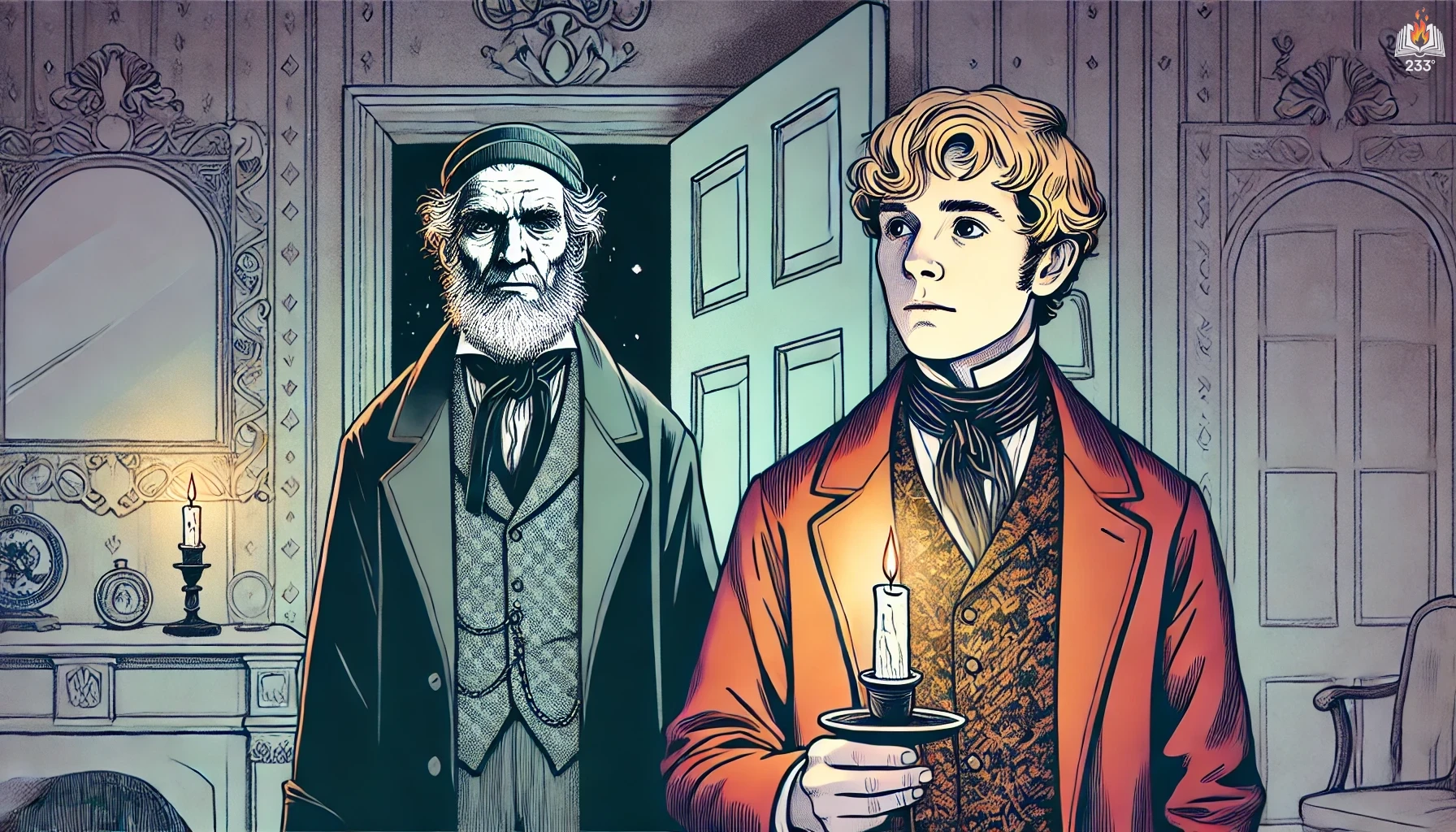
Soon, the town fills with rumors of enlistment, and young men across the country pledge themselves to the cause. Rilla’s older brother Jem is among the first, driven by patriotism and a sense of duty. The Blythe family feels his absence acutely, and though Rilla is proud of Jem’s bravery, her heart aches with worry. Susan Baker, their loyal housekeeper, clucks in disapproval but cannot stop her tears when Jem departs for the front, her sharp words concealing her affection for him. The news hits harder than anyone had anticipated, yet Glen St. Mary is resolved to rally for the war effort. The women begin knitting socks, rolling bandages, and packing care kits to send overseas, finding purpose in the small ways they can contribute.
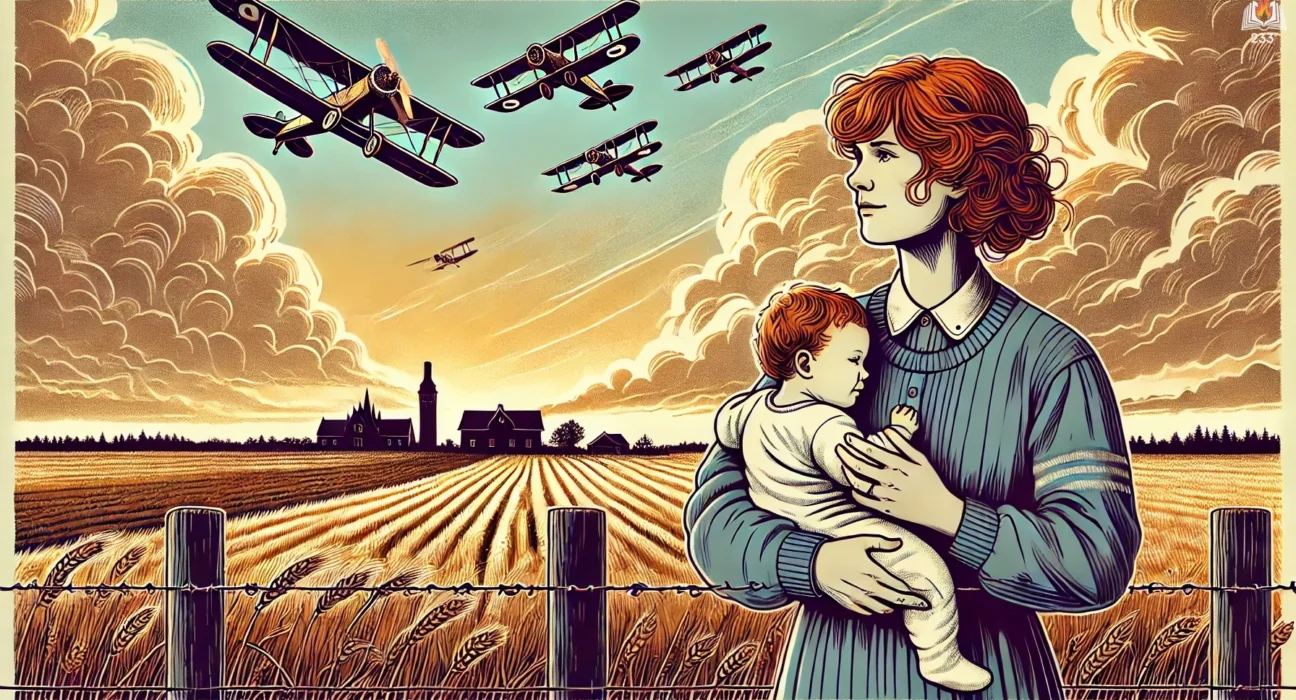
Rilla’s world, once dominated by dreams of dances and parties, shifts slowly toward responsibility. On a quiet evening, a chance encounter with a baby forever alters her life. Rilla stumbles upon an abandoned infant, the child of a soldier, left in dire straits with no one to care for it. In a bold and unexpected act, she decides to bring the baby home and raise it herself. She names him Jims, and though her parents are surprised, they allow her to care for him, recognizing the change it brings in her. The girl who once cared only for pretty dresses and social gatherings now wakes each night to Jims’ cries, feeding and soothing him, her heart gradually filling with an unfamiliar sense of devotion.
But the war’s shadow stretches further than Rilla could ever have anticipated. Her cherished brother Walter, a sensitive soul and a poet, is consumed with a sense of dread. He feels compelled to join the war, despite his fear and hesitation. Rilla is tormented by the idea of losing Walter, her confidante and friend, and she pleads with him to stay. Yet Walter cannot ignore the pull of duty, haunted by a vision he once had of a spectral piper calling him to serve. When Walter finally departs, he leaves a poem for Rilla, a testament to his love for his family and home, and a promise that he will carry them with him to the trenches.
In the midst of these trying times, Rilla experiences a profound personal struggle. She continues to care for Jims, who grows more attached to her each day, even as she battles her own pride and vanity. Rilla’s journey is one of quiet heroism; she wrestles with doubt and fatigue, yet does not falter. In her loneliness, she finds solace in her growing friendship with Kenneth Ford, who had once been merely an attractive face at a party but who now becomes her confidant. Their bond deepens as they share their fears and hopes, and Rilla discovers a steadiness within herself that had long lain dormant.
Back home, news of the war trickles in, filling the Blythe family and their neighbors with unease. Letters arrive sporadically, bringing both joy and dread. There are occasional sightings of soldiers returning on leave, boys who look older and wearier than before. When the news comes of Walter’s death in France, Rilla’s world is momentarily shattered. Walter’s sacrifice leaves a scar on the family, his absence a hollow reminder of the countless lives lost to the ravages of war. Rilla grieves deeply, but in his final letter, Walter leaves her with words of encouragement, imploring her to live a life filled with purpose, a gift he no longer has.
Rilla, armed with Walter’s words, finds new resolve. As the months roll by, she throws herself into the Red Cross efforts and other activities to support the soldiers, her heart now wholly invested in the welfare of those fighting abroad. She leads a campaign to raise funds for war bonds and organizes community efforts to gather supplies. Her former life of idle dreams and whims fades entirely, replaced by a fierce dedication to the causes around her.
The war stretches on, testing the resilience of everyone in Glen St. Mary. Susan remains a steadfast figure at Ingleside, her hope buoyed by her humor and the strength of her love for the Blythes. Rilla, though often overwhelmed, perseveres, proving herself to be the woman her brother believed she could be. As the conflict drags on, there are moments of hope, fleeting as they may be. Small victories and the occasional return of loved ones light the days.
At last, the war ends, and there is an outpouring of relief in Glen St. Mary, tempered by sorrow for those who will not return. As the town prepares to welcome its returning soldiers, Rilla faces a bittersweet goodbye to Jims. His father, having survived the war, arrives to reclaim him, and though the child has been a source of both worry and wonder, Rilla feels the ache of his absence deeply. She has become a mother, in a sense, but now must let go. In the act of releasing Jims, she feels the closing of her childhood, a poignant acknowledgment of the woman she has become.
As the Blythe family regathers, they count the empty seats but also celebrate the lives that were spared. Kenneth Ford, who has returned from his service, takes his place at Rilla’s side, the quiet affection between them blossoming into something lasting. She has endured loss, heartbreak, and transformation, yet her spirit remains unbroken. Rilla Blythe has come into her own, her resilience and compassion shaping her into a beacon of hope for the future.
Main Characters
Rilla Blythe: The protagonist and “baby” of the Blythe family, Rilla is a lively, sometimes vain, and often naive teenager who, over the course of the novel, matures into a compassionate and determined young woman. Initially focused on social events and personal ambitions, Rilla gradually takes on significant responsibilities and becomes deeply involved in the war effort, surprising even herself with her strength.
Walter Blythe: Rilla’s sensitive, poetic older brother who struggles with the call of duty and his intense aversion to violence. His journey is one of internal conflict, driven by an awareness of his own vulnerabilities, and ultimately, he becomes a symbol of sacrificial love and patriotism for his family and community.
Jem Blythe: The eldest Blythe son, Jem is courageous, idealistic, and committed to fighting for a cause he believes in. His enlistment deeply impacts his family, and his sense of duty serves as a role model for Rilla and others, despite the looming dangers of war.
Susan Baker: The Blythe family’s fiercely loyal housekeeper, Susan is a practical, outspoken, and patriotic figure who provides steadfast support to the family throughout the novel. Her humor and resilience bring warmth and stability to Ingleside as she deals with wartime challenges.
Kenneth Ford: A charming, slightly older young man whom Rilla has a crush on, Kenneth is kind-hearted yet seemingly indifferent to Rilla at first. His interactions with Rilla, especially as she matures, reflect the growth of both characters amidst the backdrop of the war.
Theme
Coming of Age and Transformation: Rilla’s journey from a carefree girl to a mature young woman is central to the novel. Her experiences during the war lead her to embrace responsibility, sacrifice, and compassion, highlighting the power of hardship to foster growth and resilience.
Patriotism and Duty: The novel explores a deep sense of duty and love for one’s country, particularly through the experiences of Jem and Walter. Characters grapple with their personal fears and the heavy responsibilities of war, ultimately underscoring the sacrifices individuals make for the greater good.
The Effects of War on the Home Front: Montgomery delves into how the war reaches and impacts the Blythes and their neighbors. The narrative shows how those at home cope with worry, loss, and the strain of waiting, as well as their role in supporting the war effort, from knitting socks to adopting orphaned babies.
Love and Loss: Romantic and familial love, tested by separation and loss, provides emotional depth to the story. The novel explores how love sustains individuals in times of adversity, and how loss can be both transformative and devastating, especially for young men like Walter and Jem.
Writing Style and Tone
Montgomery’s writing style in Rilla of Ingleside remains charming and descriptive, yet it adapts to the more serious themes by incorporating a poignant and reflective tone. Her language is poetic, capturing both the idyllic beauty of Glen St. Mary and the darker, haunting atmosphere of wartime. She uses vivid imagery to convey Rilla’s emotions and the emotional landscapes of the characters, drawing readers into the daily lives and deepening struggles of the Blythe family.
The tone is primarily one of nostalgia and melancholy, softened by Montgomery’s wit and light-hearted observations about daily life. Although there is a prevailing sense of loss, especially as characters come to terms with the tragic effects of the war, Montgomery manages to inject moments of hope and humor through her depiction of Rilla’s misadventures and Susan Baker’s practical wisdom. This balance makes the novel both an evocative coming-of-age story and a sober reflection on the profound impact of global events on a small community.
Quotes
Rilla of Ingleside – Lucy Maud Montgomery (1921) Quotes
“The body grows slowly and steadily but the soul grows by leaps and bounds. It may come to its full stature in an hour.”
“There was something in her movements that made you think she never walked but always danced.”
“It does not do to laugh at the pangs of youth. They are very terrible because youth has not yet learned that 'this, too, will pass away.”
“I heard someone once say that the years from fifteen to nineteen are the best years in a girl's life.”
“Our sacrifice is greater than his," cried Rilla passionately. "Our boys give only themselves. We give them.”
“The only thing I envy about a cat is its purr," remarked Dr. Blythe once, listening to Doc's resonant melody. "It is the most contented sound in the world.”
“There are moments when we have real fun because, just for the moment, we don't think about things and then--we remember--and the remembering is worse than thinking of it all the time would have been.”
“Nobody whom this war has touched will ever be happy again in quite the same way. But it will be a better happiness, I think, little sister - a happiness we've earned.”
“She wanted to be alone - to think things out - to adjust herself, if it were possible, to the new world in which she seemed to have been transplanted with a suddenness and completeness that left her half bewildered to her own identity.”
“Rilla was fond of italics, as most girls of fifteen are.”
“I will keep faith, Walter," she said steadily. "I will work and teach and learn and laugh, yes, I will even laugh through all my years, because of you and because of what you gave when you followed the call.”
“Rilla's heart skipped a beat - or, if that be a pysiological impossibility, she thought it did.”
“Don't look at me so sorrowfully and so disapprovingly, dearest. I can't be sober and serious - everything looks so rosy and rainbowy to me.”
“War was a hellish, horrible hideous thing - too horrible and hideous to happen in the twentieth century between civilised nations.”
“I'm afraid our old world has come to an end, Rilla. We've got to face the fact. (Walter)”
“I doubted God last Sunday " said Rilla "but I don't doubt Him today. Evil cannot win. Spirit is on our side and it is bound to outlast flesh.”
“How wicked I was to wish that something dramatic would happen!' she thought. 'Oh, if we could only have those dear, monotonous, pleasant days back again! I would *never* grumble about them again.”
“I could spank Constantine and skin him alive afterwards, that I could," she exclaimed bitterly. "Oh, Susan, I'm surprised at you," said the doctor, pulling a long face. "Have you no regard for the proprieties? Skin him alive by all means but omit the spanking.”
“It was less humiliating to admit crying because of your feet than because - because somebody had been amusing himself with you and your friends had forgotten you, and other people patronised you.”
“to "hike" along a deep-rutted, pebbly lane in frail, silver-hued slippers with high French heels, is not an exhilirating experience.”
“An hour ago on the sand-shore he has been looking at her as if she were the only being of any importance in the world. And now she was a nobody.”
We hope this summary has sparked your interest and would appreciate you following Celsius 233 on social media:
There’s a treasure trove of other fascinating book summaries waiting for you. Check out our collection of stories that inspire, thrill, and provoke thought, just like this one by checking out the Book Shelf or the Library
Remember, while our summaries capture the essence, they can never replace the full experience of reading the book. If this summary intrigued you, consider diving into the complete story – buy the book and immerse yourself in the author’s original work.
If you want to request a book summary, click here.
When Saurabh is not working/watching football/reading books/traveling, you can reach him via Twitter/X, LinkedIn, or Threads
Restart reading!