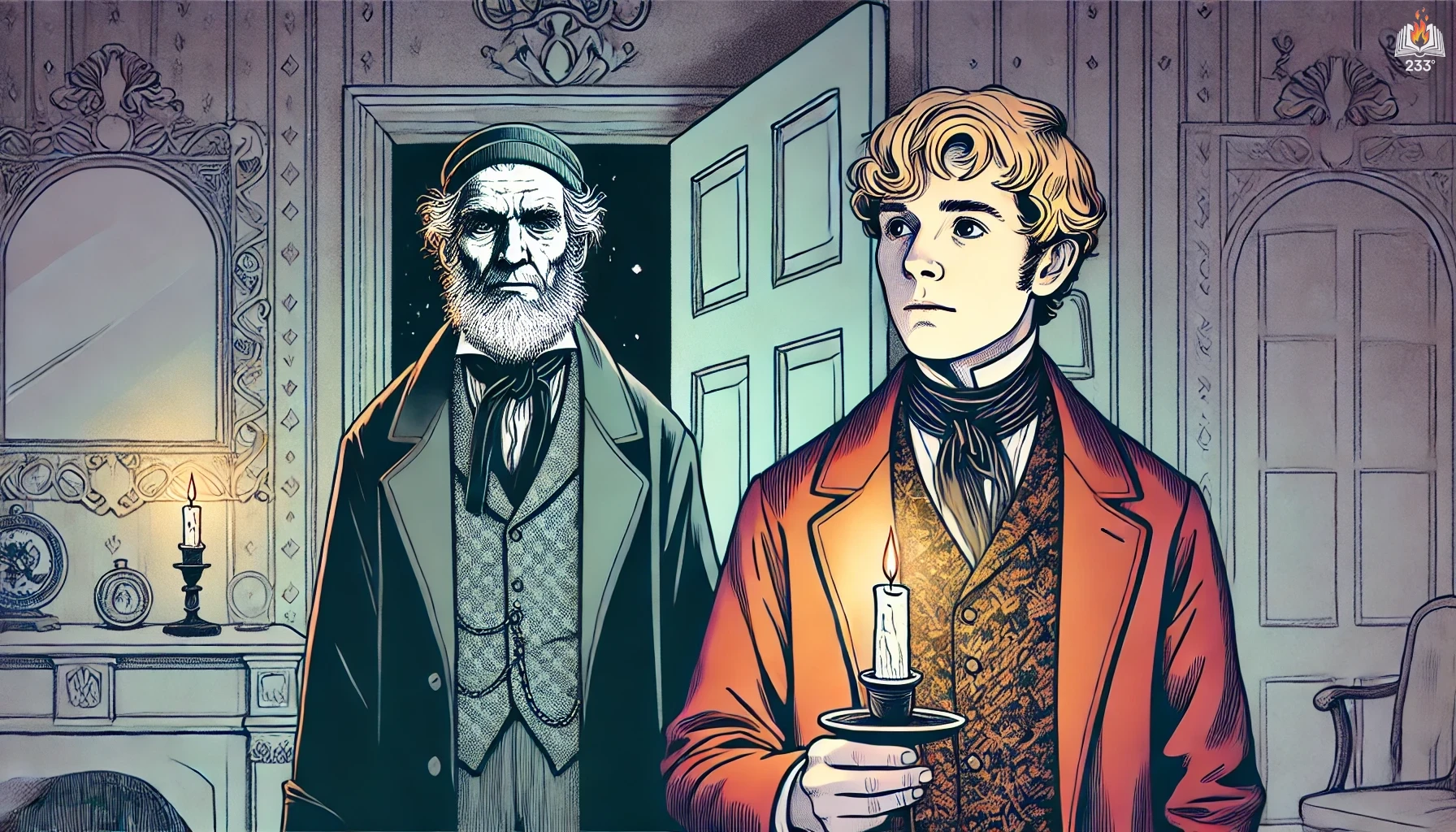
Great Expectations by Charles Dickens follows Pip, an orphan whose journey from poverty to wealth is shaped by mysterious benefactors and personal trials.
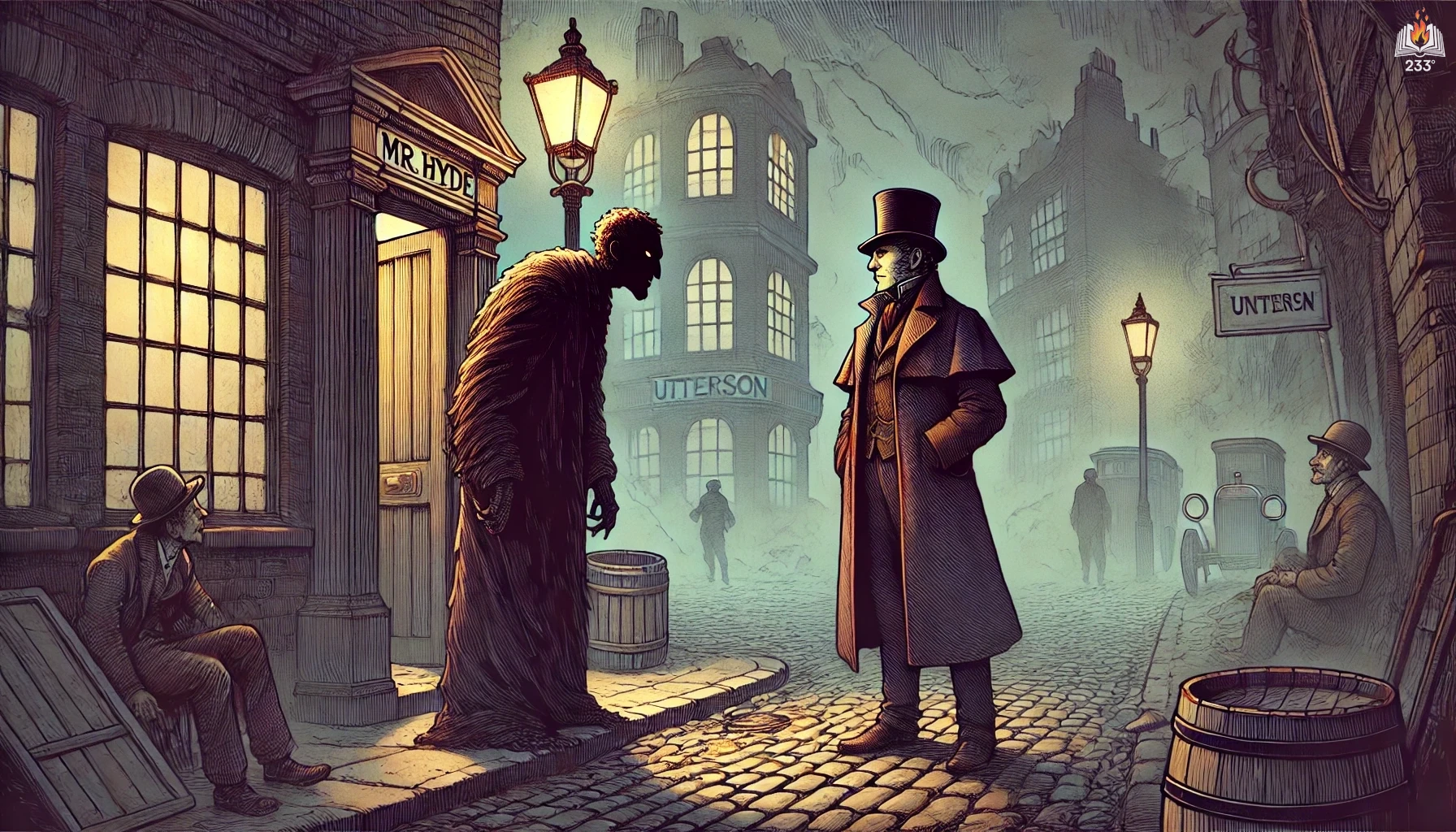
Dr. Jekyll and Mr. Hyde by Robert Louis Stevenson explores the duality of human nature as Dr. Jekyll’s experiments unleash his sinister alter ego, Mr. Hyde.
Moby Dick by Herman Melville follows Captain Ahab’s obsessive quest to hunt the elusive white whale, Moby Dick, exploring themes of fate, revenge, and human ambition.
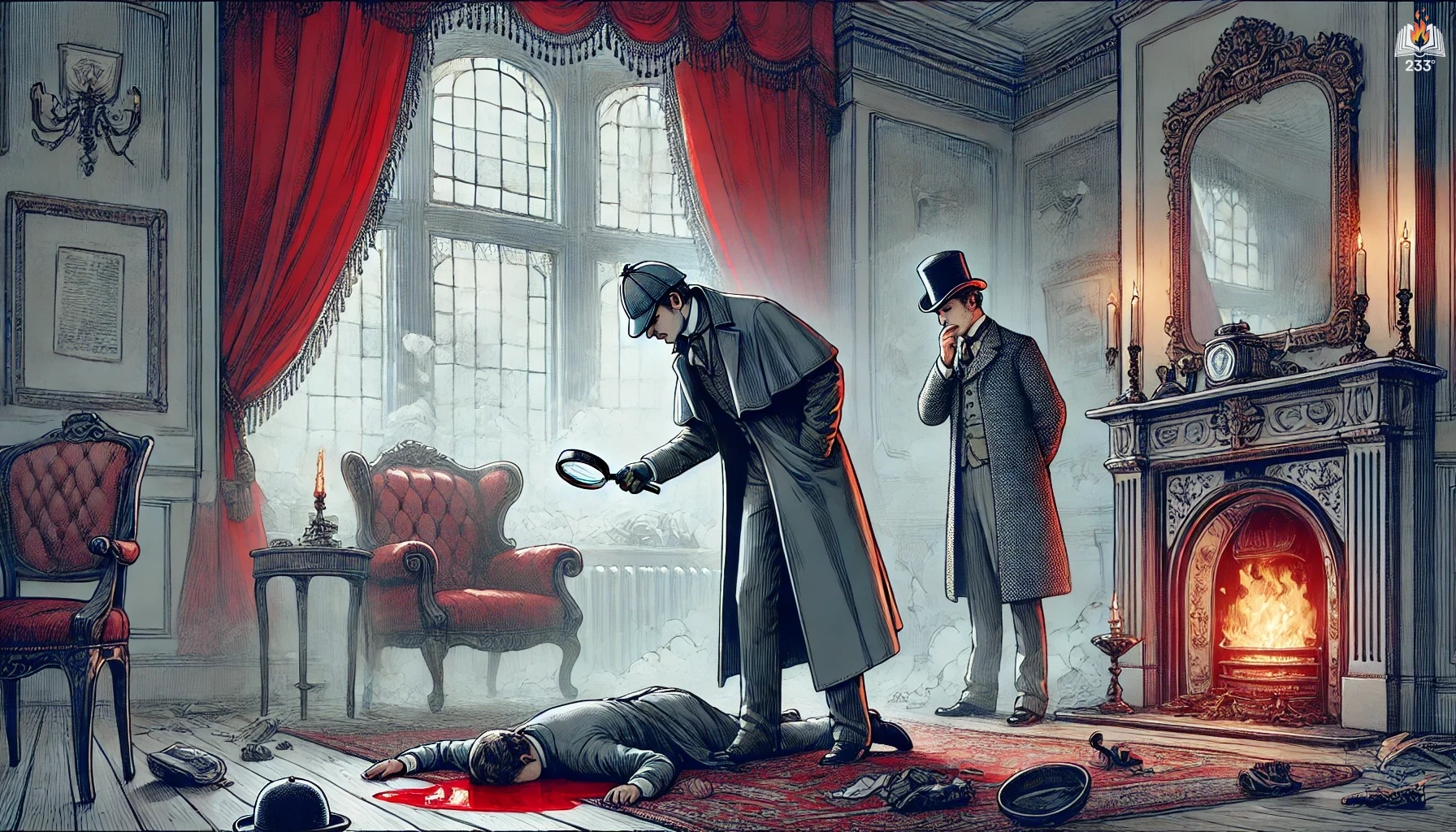
A Study in Scarlet by Sir Arthur Conan Doyle introduces Sherlock Holmes and Dr. Watson as they solve a mysterious murder using Holmes’s brilliant deductive reasoning.
The Sign of the Four by Sir Arthur Conan Doyle follows Sherlock Holmes and Dr. Watson as they investigate a treasure mystery intertwined with betrayal and revenge.
Northanger Abbey by Jane Austen is a satirical novel that follows Catherine Morland, a naive young woman learning to separate gothic fiction from the realities of romance and society.
Oliver Twist by Charles Dickens follows young Oliver as he struggles to escape poverty and crime in 19th-century England, encountering figures like Fagin and Bill Sikes.
Mansfield Park by Jane Austen follows Fanny Price, a young girl raised among wealthy relatives, as she navigates social class, morality, and personal growth.
The Brothers Karamazov by Fyodor Dostoevsky explores faith, free will, and morality through the troubled relationships of Fyodor Karamazov and his sons Dmitri, Ivan, and Alyosha.