The Vampire Lestat by Anne Rice, published in 1985, is the second novel in the acclaimed The Vampire Chronicles series. It serves as both a prequel and sequel to Interview with the Vampire, presenting the flamboyant and fiercely individualistic vampire Lestat de Lioncourt’s own version of his life and legacy. As a gothic confessional, it chronicles his transformation from a rebellious 18th-century French nobleman into a modern-day rock star, confronting existential dilemmas, ancient lore, and the philosophical underpinnings of immortality. Through Lestat’s eyes, Rice reshapes vampire mythology into a rich, seductive tapestry of sensuality, intellect, and moral complexity.
Plot Summary
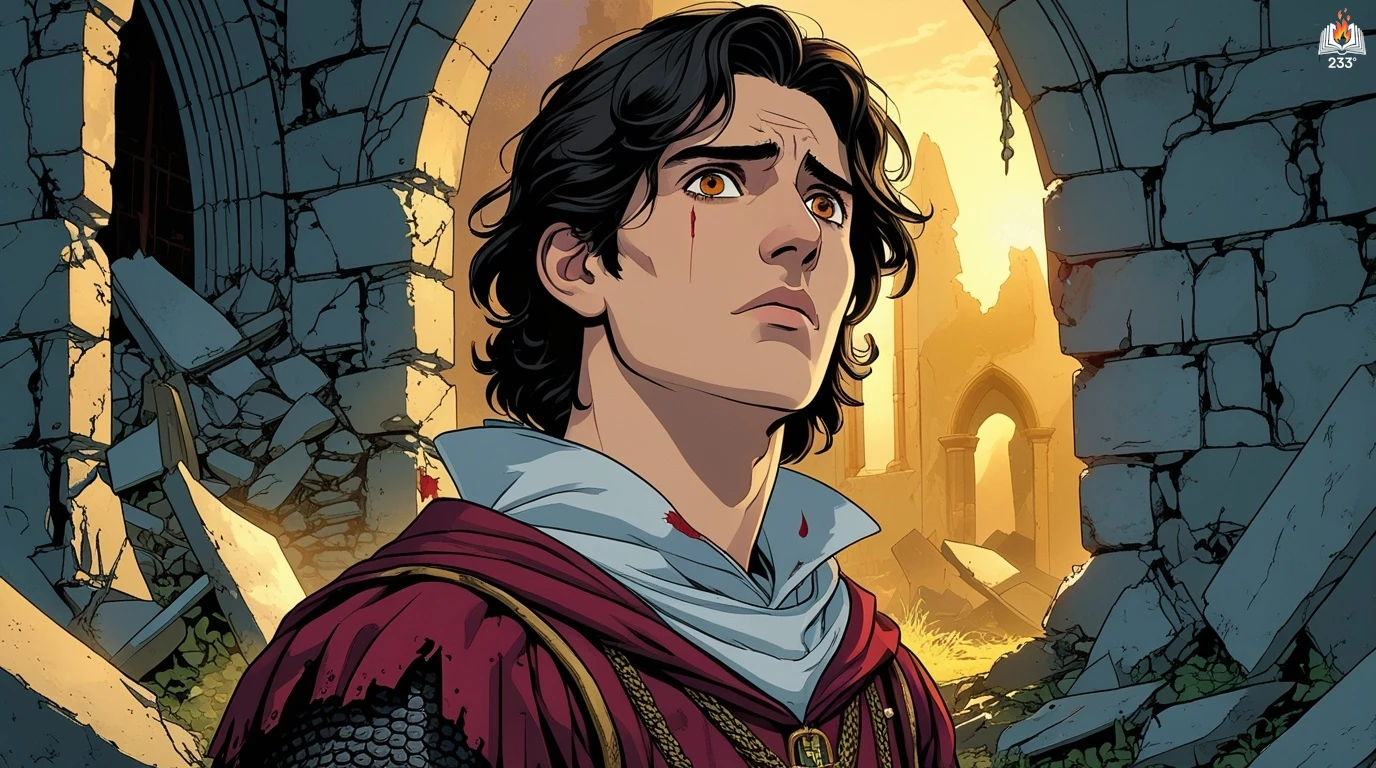
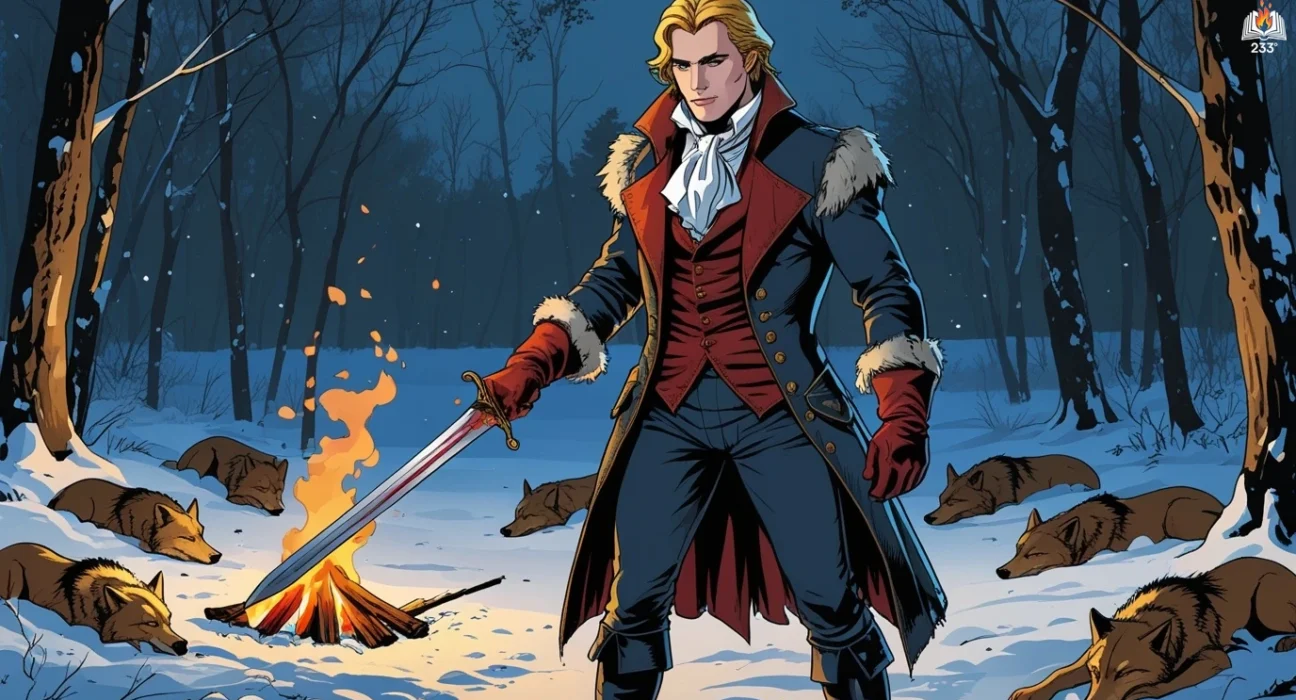
In the bitter chill of 18th-century France, amidst the crumbling dignity of nobility, a young man named Lestat de Lioncourt hunted wolves to feed his family. He was the seventh son of a ruined marquis, driven by a restless spirit and a feral will to live. Bold and beautiful, with a soul too bright for the bleakness of his surroundings, he killed a pack of wolves with raw courage and a sword in hand. But his valor was met with suspicion and disdain from his brothers. His triumph brought him no peace.
Lestat had always yearned for something beyond the narrow halls of his ancestral castle. Twice he tried to flee. Once to a monastery, where discipline and books gave him purpose, and again with a troupe of Italian actors, where he found ecstasy on a stage playing the part of a lover. But both escapes were short-lived, crushed by familial bonds and social scorn. Though battered, his spirit remained unbroken. It was his mother, Gabrielle, brilliant and cold, who saw the untamable fire within him. She became his silent ally, the only soul who understood the complexity of his pain.
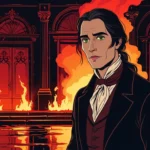
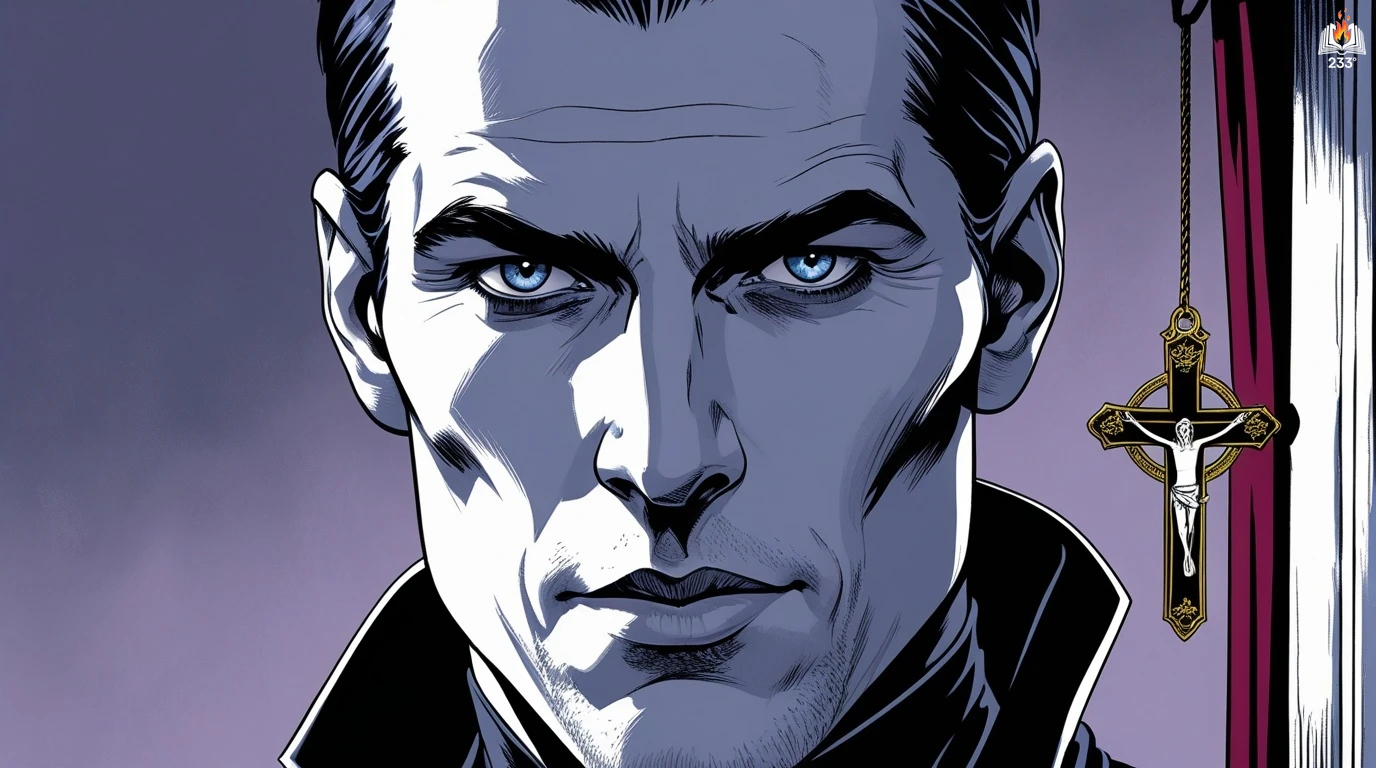
Fate turned, sharp and cruel, when a dark stranger named Magnus took Lestat from the world of the living. Without consent, without explanation, the old vampire turned him, then cast himself into the fire. Lestat, reborn in darkness, stood alone, overwhelmed by the beauty and horror of his new form. The ancient blood burned within him, awakening powers that dazzled and terrified him. He could move like wind, see in darkness, and drink life from mortals with the elegance of a predator cloaked in silk.
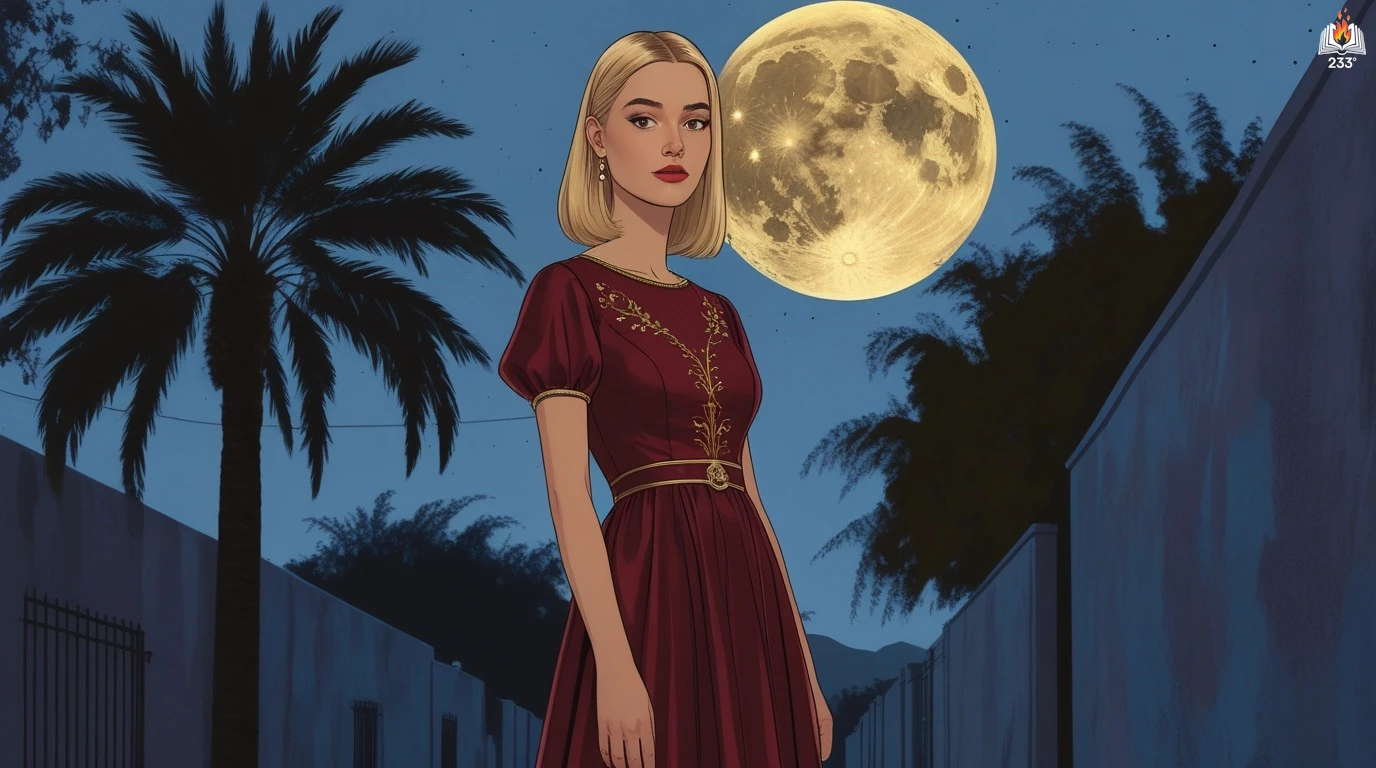
But Lestat was no creature of shadows. He refused to skulk in crypts or hide from the world. He adorned himself in velvet and gold, paraded through candlelit salons, and kept company with theater crowds and poets. He resurrected his mother, dying from mortal illness, granting her the Dark Gift so they could walk the night together. Gabrielle, once delicate and human, shed her maternal skin and embraced immortality with a cold detachment that both awed and wounded him.
Longing for deeper connection, Lestat offered the gift to his dearest friend, Nicolas – a passionate violinist tortured by the weight of Lestat’s absence and the allure of eternity. But immortality twisted Nicolas into madness. He played fevered music with a coven of vampires who performed mockeries of their existence on the Paris stage, hiding their true nature beneath layers of irony and blood. Eventually, Nicolas descended into fire and silence, severing one more thread of Lestat’s past.
Drawn into the hidden hierarchy of vampire society, Lestat encountered the Children of Darkness – a secretive cult led by Armand, who clung to medieval doctrines of guilt and secrecy. They punished vampires for loving beauty, for seeking joy, for defying the old laws. Lestat, with his golden hair and defiant heart, was anathema to their beliefs. His rejection of their creed sparked chaos. The coven crumbled, Armand lost his power, and fledgling vampires, once cowed by fear, began to imagine a freer existence.
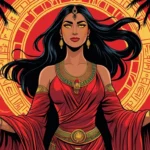
Through secret writings and visions passed from ancient hands, Lestat began to learn of Marius, a mysterious figure guarding the origin of all vampires. Obsessed, Lestat sought him, following whispers and ruins across Europe and into Egypt. When at last he found Marius, he was shown the sanctuary where Akasha and Enkil – the first vampires, the Queen and King of the Damned – sat unmoving in eternal silence. Their presence was overwhelming, and though they did not speak, their power changed something in Lestat.
Marius warned him against awakening what should sleep. But Lestat, ever hungry for experience, for revelation, played music before the ancient ones. Akasha stirred. Just slightly. A flutter of a finger, a moment of awareness. It was enough to unsettle the fragile balance of the world. Marius vanished soon after, and Lestat, shaken and enthralled, returned to the chaos of modern life.
Centuries passed. Lestat slept beneath New Orleans, his dreams filled with echoes of radios and rock songs. The voices of the twentieth century called to him through the earth – electric guitars, rebellious lyrics, the scent of youth and fame. When he rose again, it was with purpose. He joined a local rock band, turning the ragtag mortals into stars. His name and face appeared across magazines, television, and video screens. He wrote a book, The Vampire Lestat, to tell his truth, a firebrand reply to the tale told by Louis in Interview with the Vampire. With this act, he shattered the vampire code of silence.
The old ones stirred.
Some would come to destroy him. Others to remember. Lestat welcomed them all. He craved confrontation, visibility, danger. He longed to stand before the world not as myth, but as fact. Mortals adored him, mistaking his revelations for art. Yet Lestat’s challenge to vampire secrecy was real – his fame a flare to draw the forgotten and the ancient into the light.
He still burned for Louis, the melancholy immortal who had once been his companion, who had painted him as a villain to the world. Though wounded by betrayal, Lestat’s love endured. He hoped his words, his music, his defiance would call Louis back, just as they might awaken every sleeping vampire from their tombs.
As he prepared for his first live performance in San Francisco, under blinding lights and before adoring crowds, Lestat stood not as a relic, but as an icon. A monster made flesh and dream, immortal and unashamed. Whatever came – violence, adoration, annihilation – he was ready. For once, the war would not be fought in the dark.
It would blaze across the world like music.
Main Characters
Lestat de Lioncourt – The charismatic antihero and narrator of the story, Lestat is bold, defiant, and deeply introspective. Born into French nobility and turned into a vampire against his will, he seeks meaning, beauty, and companionship in a chaotic world. His hunger is not only for blood but for understanding, experience, and rebellion against the silence of the supernatural. His arc from mortal hunter to immortal rock star is one of self-creation and fierce challenge against the ancient order of vampires.
Gabrielle de Lioncourt – Lestat’s beloved mother, who chooses to become a vampire to escape her mortal frailty. Coldly intellectual, aloof, and fiercely independent, Gabrielle becomes Lestat’s first true companion in immortality. Their relationship is marked by admiration and emotional distance, as Gabrielle seeks freedom from all ties, including motherhood.
Nicolas de Lenfent – Lestat’s closest friend from childhood, a passionate violinist whose life becomes tragically twisted after Lestat’s transformation. His descent into madness and darkness reflects the ruinous potential of immortality when devoid of purpose or connection.
Armand – A vampire of ancient origin who leads the coven known as the Children of Darkness. Armand represents the old world’s rigid moral codes and is both fascinated and threatened by Lestat’s iconoclastic energy.
Marius de Romanus – A mysterious and cultured ancient vampire who serves as a custodian of vampire lore and the guardian of the original source of vampiric power. His influence on Lestat is profound, offering both mentorship and unanswered questions.
Louis de Pointe du Lac – Though a secondary presence in this novel, Louis is Lestat’s companion from Interview with the Vampire, whose portrayal of Lestat in that book deeply wounds and motivates Lestat to tell his own truth.
Theme
The Search for Identity and Meaning – Central to Lestat’s journey is his relentless quest to understand who he is, what it means to be a vampire, and how to live authentically. This is portrayed through his rejection of dogma, his longing for connection, and his need to narrate his truth.
Rebellion and Individualism – Lestat is the quintessential rebel, challenging both mortal conventions and the rigid hierarchies of vampire society. His transformation into a rock star serves as a literal and symbolic act of breaking free from secrecy and tradition.
Immortality and Isolation – Rice explores the paradox of immortality: while it grants endless time and power, it also deepens loneliness and alienation. Lestat’s interactions with other immortals often highlight their emotional and spiritual detachment.
Good, Evil, and Moral Ambiguity – The novel interrogates traditional notions of good and evil, showing that even monsters possess complexity and capacity for love, while so-called morality can mask cruelty or cowardice. Lestat’s actions, while often violent, are rooted in a refusal to accept arbitrary codes.
Art and Transformation – Whether through music, storytelling, or aesthetics, art becomes a means of expressing identity, enduring pain, and transcending limitation. Lestat’s rise as a musician exemplifies how creation can defy decay and despair.
Writing Style and Tone
Anne Rice’s writing in The Vampire Lestat is sumptuous, lyrical, and emotionally immersive. Her prose weaves rich, poetic descriptions with philosophical musings, creating a gothic atmosphere that is at once sensuous and introspective. She employs first-person narration to great effect, allowing Lestat’s charismatic and often contradictory voice to dominate the narrative. The language is ornate yet modern, reflecting Lestat’s evolution across centuries.
Rice also masterfully uses pacing and temporal shifts, moving fluidly between Lestat’s mortal past and his undead present. Her use of historical and mythological detail grounds the story in a tangible world while elevating it to operatic grandeur. The tone oscillates between romantic melancholy and brazen theatricality, mirroring Lestat’s complex personality – at times he is vulnerable, at others, self-aggrandizing. This tone deepens the emotional resonance of the narrative, inviting the reader to grapple with the vampire’s eternal dilemmas.
Quotes
The Vampire Lestat – Anne Rice (1985) Quotes
“None of us really changes over time. We only become more fully what we are.”
“The prince is never going to come. Everyone knows that; and maybe sleeping beauty's dead.”
“I never lie," I said offhand. "At least not to those I don't love.”
“Oh Lestat, you deserved everything that's ever happened to you. You better not die. You might actually go to hell.”
“Strong women are absolutely unpredictable.”
“I'm Gentleman Death in silk and lace, come to put out the candles. The canker in the heart of the rose.”
“A singer can shatter glass with the proper high note," he said, "but the simplest way to break glass is simply to drop it on the floor.”
“We breathe the light, we breathe the music, we breathe the moment as it passes through us.”
“As for oblivion, well, we can wait a little while for that.”
“Words. Borne on the ever swelling current of hatred, like flowers opening in the current, petals peeling back, then falling apart.”
“I am an unwilling devil. I cry like some vagrant child. I want to go home.”
“Who cares? Kingdoms rise and fall. Just don't burn the paintings in the Louvre, that's all.”
“No one is safe from nature's savagery,not even the innocent. Only beauty is consistent. Gabrielle envisions a time when the Savage Garden will overtake civilizations and destroy it. ”
“But the sky was never quite the same shade of blue again.”
“Don't you see? It is a new age. It requires a new evil. And I am that new evil.”
“Hell's Bells ringing, my secret music...”
“I stumble through a carnival of horrors”
“I don't believe in anything, Mother," I said. "You told Armand long ago that you believe you'll find answers in the great jungles and forests; that the stars will finally reveal a vast truth. But I don't believe in anything. And that makes me stronger than you think”
“You're the hunter, the warrior. You're stronger than anyone else here, that's your tragedy.”
“Because," she said, "that is what men would call it. They invented Satan, didn't they? Satanic is merely the name they give to the behavior of those who would disrupt the orderly way in which men want to live.”
“an intoxication with forbidden knowledge in which the natural things become unimportant.”
We hope this summary has sparked your interest and would appreciate you following Celsius 233 on social media:
There’s a treasure trove of other fascinating book summaries waiting for you. Check out our collection of stories that inspire, thrill, and provoke thought, just like this one by checking out the Book Shelf or the Library
Remember, while our summaries capture the essence, they can never replace the full experience of reading the book. If this summary intrigued you, consider diving into the complete story – buy the book and immerse yourself in the author’s original work.
If you want to request a book summary, click here.
When Saurabh is not working/watching football/reading books/traveling, you can reach him via Twitter/X, LinkedIn, or Threads
Restart reading!