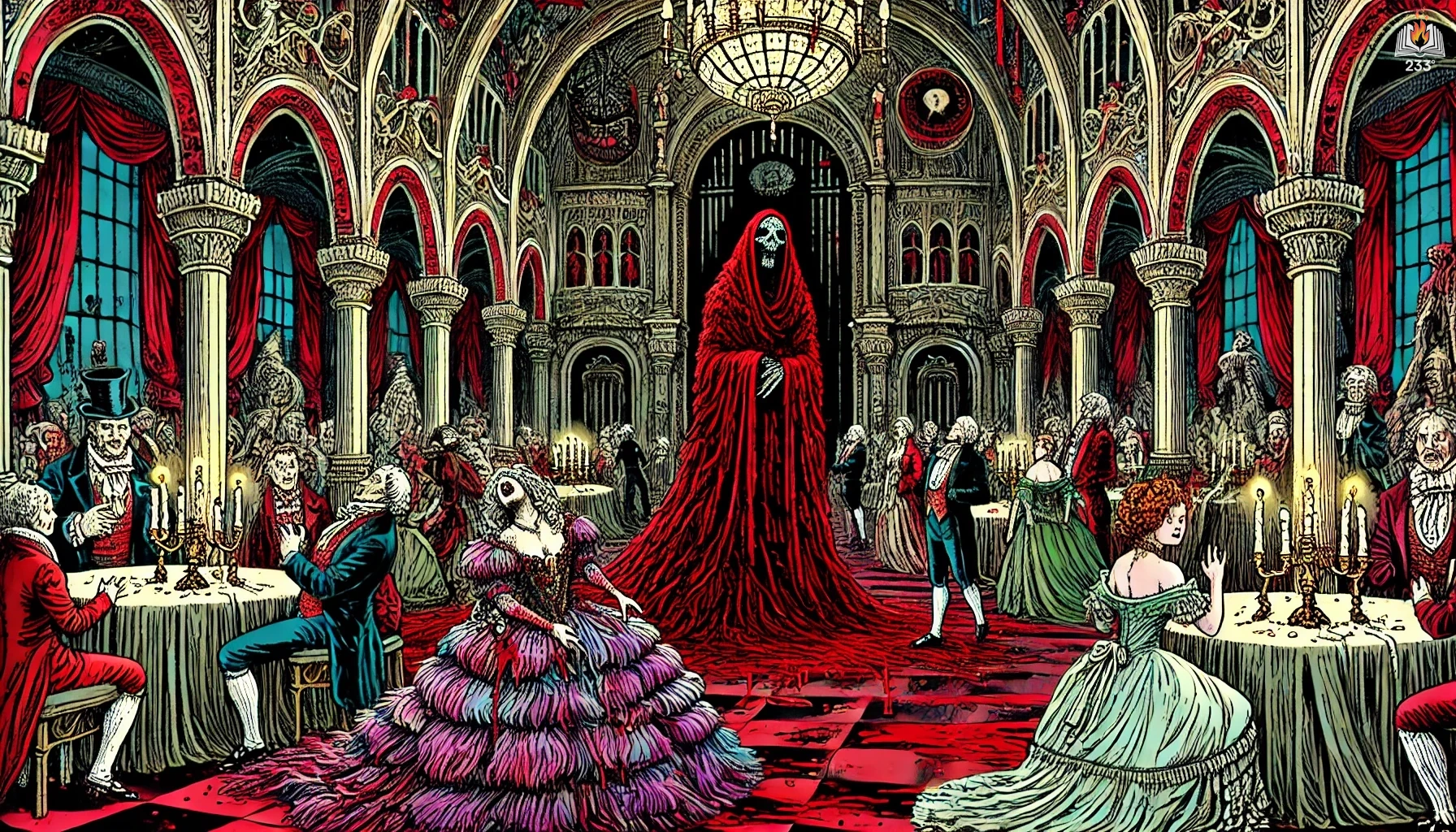
Taltos, written by Anne Rice and published in 1994, is the third installment in the Lives of the Mayfair Witches series. Following The Witching Hour and Lasher, Taltos plunges deeper into the mythos of the ancient, mysterious species known as the Taltos and their intertwined fate with the Mayfair witch family of New Orleans. Set against a backdrop that spans centuries and continents, the novel merges gothic horror, historical fantasy, and philosophical inquiry, all wrapped in Rice’s lush, baroque prose. At its heart is the enigmatic Ashlar, a Taltos who believes himself to be the last of his kind – until word of another surfaces, setting off a chain of revelations, betrayals, and reckonings with the past.
Plot Summary
In the heart of a New York winter, beneath falling snow and skyscraper shadows, Ashlar stood in his marble tower, alone and tall among humans. A creature born of ancient times – a Taltos – he had lived centuries without encountering another of his kind. Immortal, gentle, brilliant, and burdened with a memory that could stretch backward into myth, he filled his days with the making of dolls, toys of exquisite detail and beauty. His creations brought joy to children, but his heart remained untouched by kinship. Then a call came, from a voice out of Scotland and from the ruins of the past. Samuel, a fellow Taltos and old companion, summoned him to London. Another Taltos had been seen. A male. An infant. And dead.
Samuel waited in Claridge’s, wrapped in velvet and mystery, watching over a gypsy from the Talamasca – an ancient secretive order of scholars who documented the supernatural. The gypsy, Yuri, had witnessed the brief life of the newborn Taltos. From Donnelaith, a village haunted by witches and buried secrets, Yuri had fled to London with knowledge too dangerous for the Talamasca’s corrupted inner circle. The Order, once impartial observers, had sunk into darkness, and now even its own agents were at risk. Ashlar, upon hearing this, departed without hesitation, driven by a mixture of sorrow and hope, memories flooding back like storm waves against a forgotten shore.
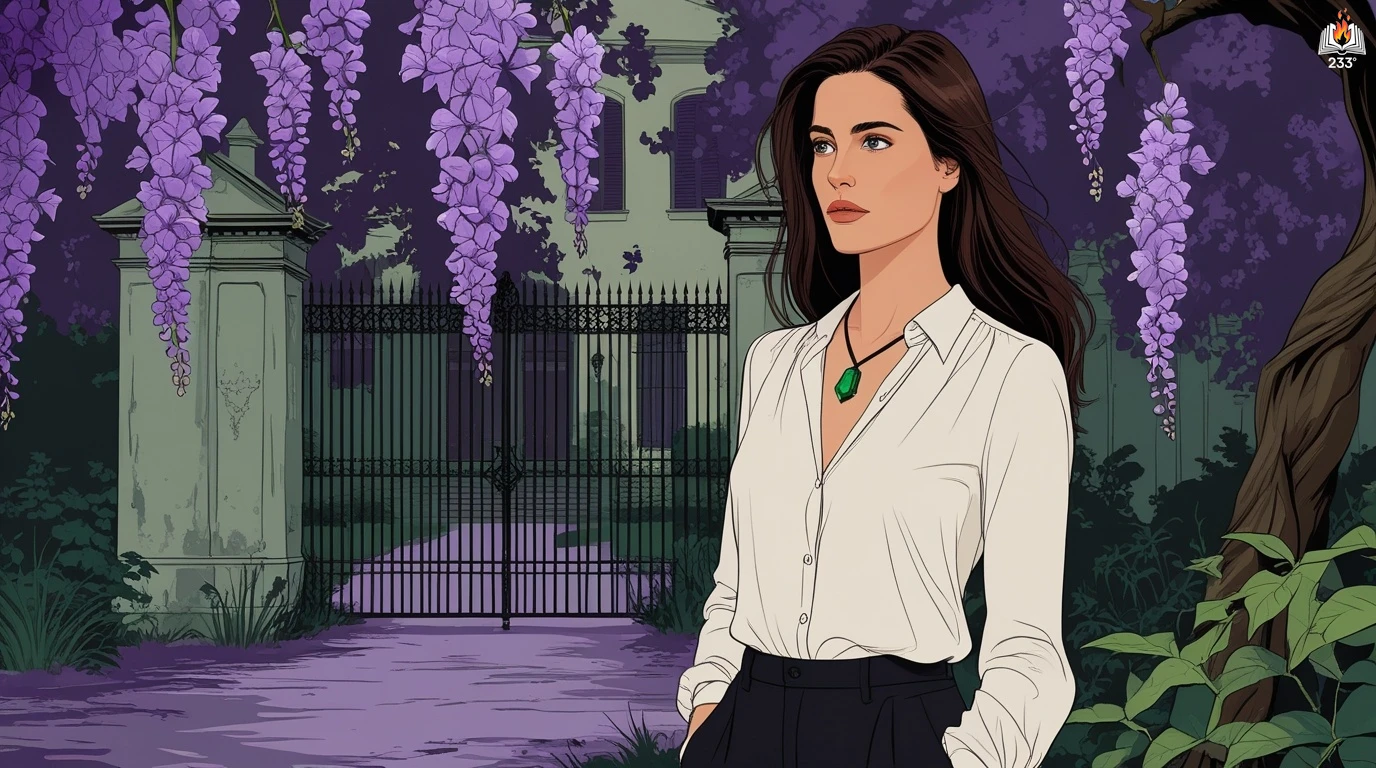
Far away in New Orleans, under the draping oaks and ghost-choked air, Rowan Mayfair sat still as stone in the garden of her family estate. A brilliant surgeon and a powerful witch, she had once ventured into the unknown to reclaim Lasher, a creature born from magic and blood, and paid dearly for it. She now sat above a double grave – the burial place of Lasher and the child born of their union. Her mind, shattered by grief, drifted through hours without words, watching the sky as if waiting for something to descend and lift the weight from her chest. Her husband Michael stayed by her, broken too, yet loyal, nursing both her silence and his regret.
Mona Mayfair, a red-haired, precocious teenage witch, came often to the garden. She watched Rowan, spoke to her, hoping for signs of life behind the unmoving eyes. Mona had loved the child that Rowan birthed and buried, a Taltos girl of incredible growth and terrible beauty. In a moment of confusion and anguish, the child had died, and Rowan had died with her in spirit. Yet Mona remained determined to understand, to piece together what had been broken.
Ashlar reached London and met with Yuri and Samuel. The gypsy told his tale – of Donnelaith, of the excavation of the cathedral ruins, and the uncovering of an ancient grave bearing the name Ashlar. Of the moment when a female witch named Mona Mayfair had given birth to a Taltos child. He spoke of murder and betrayal within the Talamasca, and of those who sought to harness the Taltos for their own ends. Ashlar listened, and as the gypsy spoke, the threads of the past twisted tighter, forming patterns that had long slept beneath the moss of Scotland and the stone walls of New Orleans.
He flew to New Orleans with Samuel, determined to find Mona and speak with Rowan. He came not as a stranger but as a ghost summoned by blood. The Mayfairs, ever watchful, received him with awe and unease. When Mona met Ashlar, something ancient stirred between them. Though she was young, her power rippled beneath the surface, wild and unshaped. She had loved the Taltos child she bore, and in Ashlar she saw kinship and redemption.
Rowan, slowly awakening from her silence, recognized Ashlar too – not just as a being of legend, but as one who had once been at the edges of her dreams and fears. From her lips came the tale of Lasher – how she had loved him, created him, and lost him. How he had returned to her as something new, something ancient, and how his death had broken her soul. Ashlar, in return, spoke of his people, of the Taltos who once danced in the glen, who sang to the wind, and whose memories lived on in the rhythm of his heartbeat.
The pieces began to fall into place. The Mayfair witches, bound to the Taltos through centuries of occult breeding and spectral interference, had been unknowingly used as vessels for their return. Lasher was no demon – he was a Taltos, born of their line, twisted by isolation and rage. The Talamasca, once silent scribes, had begun to manipulate events behind the scenes, seeking the Taltos for their own designs. They had watched the Mayfairs for generations, cataloging every birth, every death, waiting for the return of the ancient blood.
Ashlar, realizing that more Taltos may still exist – hidden or forgotten – resolved to protect Mona and whatever fragile future might still be salvaged from the wreckage. With Rowan’s help, he began the painful work of gathering histories, memories, and relics. Together, they unearthed writings, visions, and voices long buried in the glens of Donnelaith and in the haunted rooms of First Street. Samuel, ever defiant, sought out more survivors, while Yuri attempted to expose the corruption within the Talamasca, though the risks grew with each passing day.
In the end, it was not war or conquest that stirred among them, but something far older – the longing to remember, to rebuild, to reclaim. Ashlar looked upon Mona and saw the spark of rebirth. Mona, carrying the memories of her child and the mysteries of her ancestors, reached toward a future laced with both sorrow and possibility. And Rowan, weary and wiser, stood again in the garden, this time not above a grave, but beside the hope that something beautiful and lost might yet be found again.
The Taltos, once thought extinct, stirred again in the shadows and in the soil. Their story – tangled in witchcraft, blood, and ancient longing – was not finished. It had merely changed form, like a melody remembered in a dream, waiting to be sung again.
Main Characters
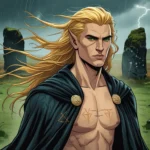
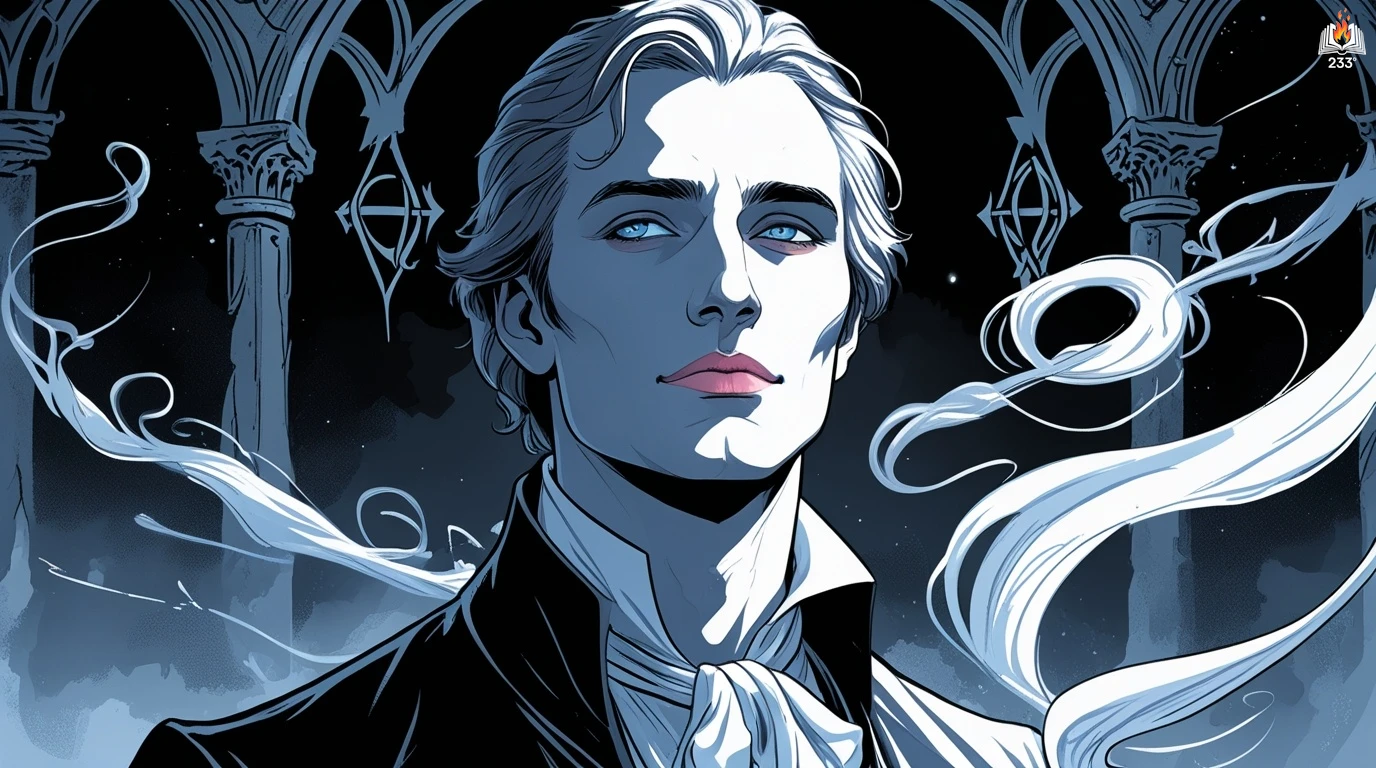
Ashlar – The central narrator and protagonist, Ashlar is an ancient Taltos living in modern-day New York. At over 2,000 years old, he is cultured, introspective, and burdened by loneliness. As the founder of a global toy empire, he conceals his inhuman origin behind a benevolent and generous facade. When he hears rumors of another Taltos, his sense of isolation gives way to a relentless pursuit of truth, reawakening old loyalties, traumas, and hopes. Ashlar is a character defined by his contradictions: part innocent, part sage, part warrior, and wholly haunted.
Samuel – Ashlar’s oldest friend and fellow Taltos, Samuel is eccentric, cryptic, and sharp-tongued, often functioning as Ashlar’s conscience and provocateur. With his fiery red hair and hunched form, Samuel is a figure from legend who guards truths buried in centuries of myth and loss. His sudden contact from Donnelaith marks the beginning of the novel’s core journey and quest for knowledge.
Rowan Mayfair – A brilliant neurosurgeon and central figure from the previous novels, Rowan is a powerful witch whose life is forever changed by her encounters with Lasher and the Taltos. In Taltos, she is emotionally and mentally devastated by her recent losses, drifting in a near-catatonic state. Her condition represents the psychic cost of delving too deeply into the mysteries of power, birth, and legacy.
Michael Curry – Rowan’s husband and a man with clairvoyant abilities, Michael serves as her protector and emotional anchor. Caught between grief and duty, he grapples with the ethical and emotional implications of the Mayfairs’ supernatural legacy.
Mona Mayfair – A precocious and powerful young witch, Mona emerges as a key figure in the Mayfair lineage. At only thirteen, she possesses an intense curiosity and psychic acuity, serving as both witness and heir to the family’s complicated history. Her interactions with Rowan reveal a complex blend of adolescent reverence and eerie maturity.
Remmick – Ashlar’s loyal manservant, Remmick represents stability and humanity in Ashlar’s otherwise isolated and alien existence. His quiet devotion and efficiency underscore Ashlar’s attempts to remain tethered to the mortal world.
Theme
Loneliness and the Search for Belonging: Ashlar’s quest begins with a desperate yearning not to be the last of his kind. The existential pain of immortality, coupled with the loss of community, makes his journey deeply personal. This theme resonates throughout the novel as both Taltos and witches struggle to find identity and kinship.
The Ethics of Creation and Legacy: Central to the book is the question of what it means to create life – especially through unnatural means. From Lasher’s rebirth to Ashlar’s reflections on birthing and the Taltos’s reproductive history, Rice probes the spiritual and moral cost of legacy, touching on responsibility, obsession, and regret.
History, Memory, and Trauma: The novel is steeped in history, from the ancient glens of Scotland to modern New Orleans. For the Taltos, memory is both a curse and a map – filled with visions of love, loss, massacre, and magic. Rice uses historical allusion to enrich the narrative, but also to explore the idea that trauma reverberates across generations.
Commercialism vs. Spirituality: Ashlar’s toy empire stands as a monument to modern capitalist success. Yet behind it lies a deep yearning for meaning, beauty, and spiritual resonance. Rice juxtaposes the soullessness of commercial enterprise with the soulful legacy of storytelling, art, and love.
The Duality of Innocence and Power: The Taltos are beings of incredible innocence and sensuality, yet capable of great violence and destruction. This duality pervades the novel, challenging the reader to consider whether purity can exist alongside power, or whether it is inevitably corrupted by it.
Writing Style and Tone
Anne Rice’s writing in Taltos is lush, hypnotic, and richly textured. Her prose drips with gothic elegance, blending high fantasy with philosophical introspection. Sentences swell with lyricism, and settings are rendered in painstaking detail – from the cold grandeur of Ashlar’s Manhattan tower to the sun-drenched decay of the Mayfair estate in New Orleans. Rice often lingers on sensory experiences and emotional undercurrents, creating a moody, immersive world that feels both intimate and mythic.
The tone of the novel is melancholic and introspective, yet punctuated by moments of wonder, dread, and revelation. Taltos operates as a meditation on time, grief, and memory, often slowing the pace to delve into character reflections and historical exposition. Yet it is also laced with urgency, especially as Ashlar’s journey unfolds. This balance of stillness and momentum gives the novel a dreamlike cadence, drawing readers into a world where the supernatural feels achingly real.
Quotes
Taltos – Anne Rice (1994) Quotes
“His Back was turned to the end of the world and the end of the world was quiet.”
“fragrance was the sharpest trigger of memory, a transport into forgotten worlds.”
“And she and I, we will take that guilt to our graves of whatever we did and didn’t do, or had to do, or failed to do”
“I wish you hadn't told her. If you must know, I could have done without your telling her I commited statutory rape on the living room couch with her cousin." - Michael Curry”
“Deep within us all are the seeds of hate for what is different. We do not have to be taught these things. We have to be taught not to give in to them! They are in our blood; but in our minds is the charity and the love to overcome them.”
“I mean that one cannot expect to possess knowledge which does not change one. Once one knows, then one is acting upon that knowledge, whether it is to withhold the knowledge from those who would also be changed, or to give it to them.”
“Divesting oneself so totally of the customary feelings of alienation and distrust that the subsequent acceptance was intellectually orgasmic.”
“Poetry is truth... It is the highest truth, and eloquence is its attribute.”
“I have learned to live with a profound loneliness. I forget about it for years and years. Then it surfaces, the desire to be placed in context by somebody else. The desire to be known, understood, evaluated morally by a sophisticated mind.”
“His mind was horrifyingly empty and still; and he felt the loneliness and the stillness of the rooms completely.”
“Forget you need anyone to love you for what you are. That’s impossible. I’m afraid. I’m afraid of what you will do now. The pattern’s all too familiar.”
“Music like that could hurt you. It gave you back your disappointment, and your emptiness. It said, Life can be this. Remember this.”
“Stars filled every quadrant of the heavens. The moon drew her veil and then lowered it again, and the soft breeze made the pines shiver ever so slightly,”
“Alienation, a lack of trust either in happiness or in others.”
“And pain was pain, whether physical or mental. Not the wisest of men or women or Taltos would ever know which was worse—the pain of the heart or the pain of the flesh.”
“Planned obsolesence, mass destruction of last year’s goods, the rush to antiquate or render irrelevent others’ designs, it was the result of a tragic lack of vision.”
“There began all the things human beings hold sacred, which can only come from difficulty, struggle, and the growing idealization of bliss and perfection, which can only flourish in the mind when paradise is utterly lost.”
We hope this summary has sparked your interest and would appreciate you following Celsius 233 on social media:
There’s a treasure trove of other fascinating book summaries waiting for you. Check out our collection of stories that inspire, thrill, and provoke thought, just like this one by checking out the Book Shelf or the Library
Remember, while our summaries capture the essence, they can never replace the full experience of reading the book. If this summary intrigued you, consider diving into the complete story – buy the book and immerse yourself in the author’s original work.
If you want to request a book summary, click here.
When Saurabh is not working/watching football/reading books/traveling, you can reach him via Twitter/X, LinkedIn, or Threads
Restart reading!