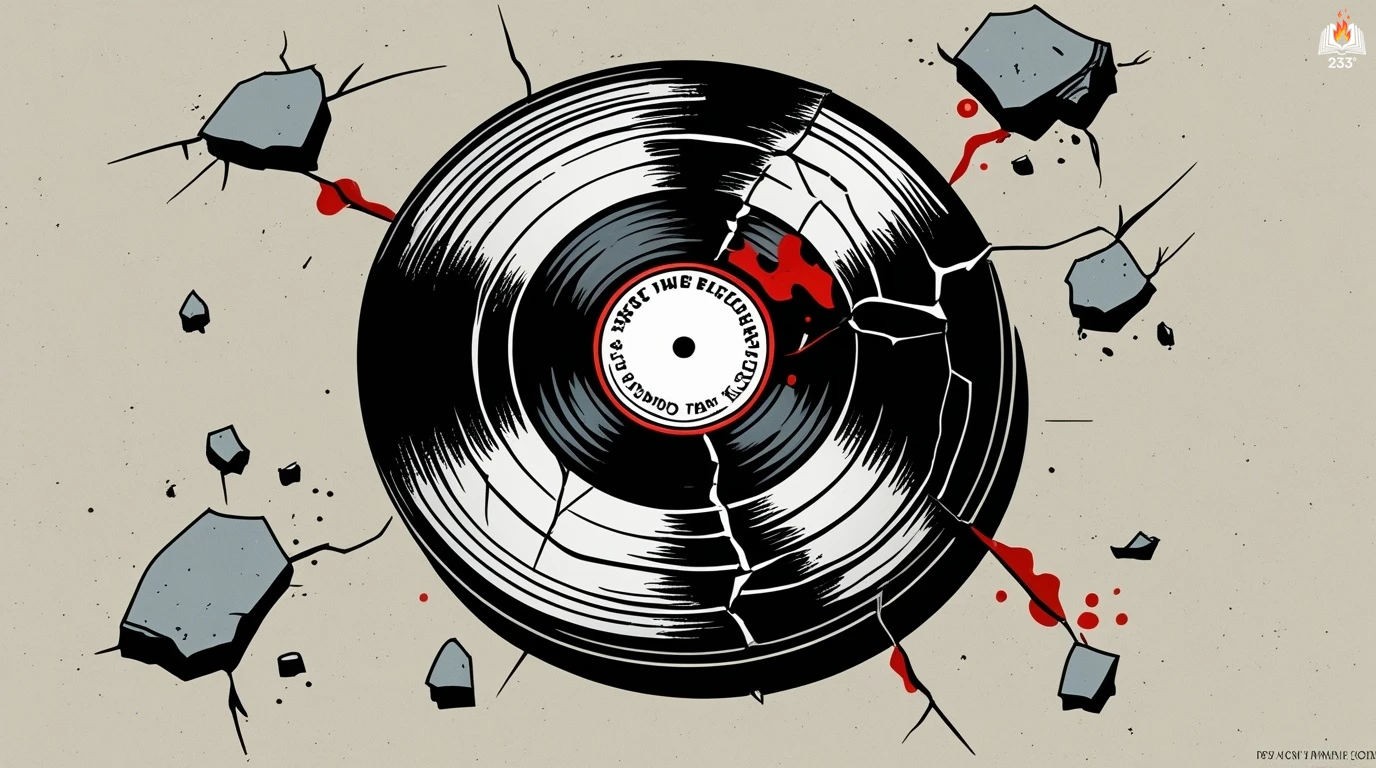
Pygmy by Chuck Palahniuk, published in 2009, is a provocative and darkly satirical novel that follows a young foreign exchange student—code-named “Pygmy”—as he infiltrates the American heartland to execute a deadly mission known as Operation Havoc. Told in fractured, militaristic English from the perspective of its teenage operative narrator, the book is an intense critique of American consumerism, suburban life, and cultural ignorance, steeped in Palahniuk’s signature style of transgressive fiction.
Plot Summary
A boy arrives in America. Not a boy, not quite. Something honed, tempered, trained. A product of regime and obedience, given a mission and a name that isn’t a name – Pygmy. Agent 67. He steps off a plane into the land of sprawling highways, overprocessed smiles, and glutinous family dinners, his body still humming with muscle memory from a lifetime of militant indoctrination. He’s one of many. A handful of children strategically placed into Midwestern homes like mines beneath the soil. Operation Havoc is in motion.
His host family – the Cedars – are like creatures from a propaganda reel. The father, bloated with meat and bravado, speaks in slogans. The mother, tight-skinned and trembling, reeks of antidepressants and desperation. The brother, Trevor, is a knuckle-dragging tyrant in the body of a boy, addicted to dominance, violence, and video games. The sister is a cat with hidden claws, too clever, too observant, and dangerous in a way he hasn’t been trained for.
Pygmy studies them like targets, cataloging body fat percentages, weak joints, potential pressure points. He eats their overcooked meat. He smiles with his sharpened teeth. He recites patriotic pledges with poison in his molar and the atom bomb hymn of Oppenheimer echoing in his skull. The American flag waves from his hand, Made in China.
School becomes a second battlefield. Uniforms are replaced by idiotic dance routines and classes full of hormone-clouded teenagers whose lives orbit text messages and cafeteria hierarchies. He’s enrolled in Junior Swing Choir – a humiliating chorus of optimism and artificial joy. He endures dodgeball, desks, and forced friendships. His eyes stay sharp. Fellow operatives report in coded phrases between trumpet blasts and textbook slams.
Trevor, the host brother, snarls from his perch in the food chain, eager to dominate. His bullying escalates until one day it backfires in the privacy of a public restroom. There, brutality erupts. Blood stains porcelain, and Pygmy carves a lesson into Trevor’s flesh – a symbol of humiliation, revenge, and dominance more potent than any battlefield kill. The power shifts, and though Trevor walks again, something inside him no longer stands upright.
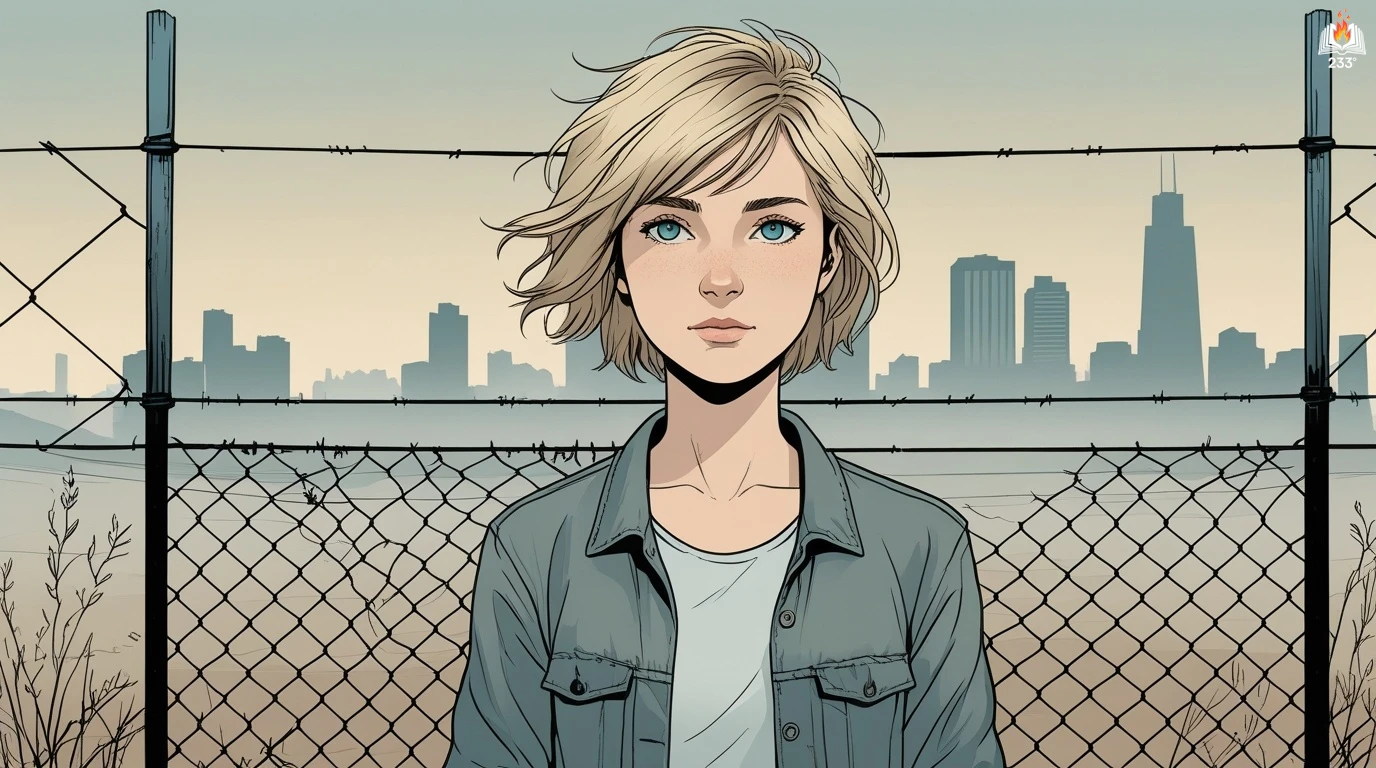
Host sister watches. She always watches. Her solder iron burns circuits onto boards in the glow of a makeshift laboratory in her yellow-walled room. She speaks in sarcasm and code, her hands steady as she rewires the logic of adolescence. She mocks her parents, their vibrators and lies, their dead revolutions and wasted promises. Slowly, curiosity coils between her and the foreign boy with eyes too old for his face.
Meanwhile, Magda, Agent 36, lingers in the background – the designated womb, the chosen partner of genetic optimization. Her eyes burn with mission. She whispers updates in school hallways, presses the urgency of reproduction, of planting the anchor baby that will tether their future assault. She expects loyalty, action, the fulfillment of duty. But the target wavers.
Church offers another battlefield, disguised as salvation. Reverend Tony, all teeth and gelled hair, dunks the innocent in chlorinated grace. When he tries to drown Magda beneath the font, to wash her clean of sins she does not carry, she rises like a Leviathan. There is no redemption in her vengeance, only justice. The red bloom in the water is not metaphor. It is blood. Tony does not rise again.
The mission calls for terror. The plan is built on subtle sabotage – chemicals mixed into science fair projects, host parents poisoned by the contents of their own briefcases, a quiet culling through technology, biology, and ideology. Pygmy’s science fair entry is a virus – not metaphorical, but cellular, grown in secret and deadly in design. The project is declared a marvel. The school congratulates him. No one notices the warning stitched into the DNA sequence like a red thread.
Yet something fractures. Pygmy studies his host sister not as a target but as an equal. She shares her soldering iron, her frustrations, her suspicion that the world is a giant machine run by fools. She becomes more than the mission allows. Her voice cuts through the static. She tells him her father is a government scientist, crafting viruses in a top-secret lab. She doesn’t realize how close this aligns with his own plan. The overlapping threads of their lives tangle until they are indistinguishable.
As prom approaches, Operation Havoc accelerates. Each agent is positioned to unleash devastation. Pygmy’s weapon is ready – a biological cascade built to infect, incapacitate, eradicate. But when he looks into the mirror of a tuxedo store, sees his face scrubbed and smiling beside his host sister, something ancient stirs. Not loyalty. Not betrayal. Something more dangerous – choice.
Prom night comes like a trigger pulled in slow motion. Under gymnasium lights, Pygmy scans the room of chaperones, targets, agents masquerading as teenagers. He carries the vial. The pathogen pulses in his pocket. But when the music swells, when his host sister touches his hand, he doesn’t move. Not yet.
The FBI moves first.
One by one, operatives are captured. Agents vanish into black vans, their American disguises stripped away. Pygmy flees, instincts screaming. He could kill. He could vanish. Instead, he surrenders. Not to the government. Not to the host family. To himself.
In a sterile interrogation room, he confesses nothing but offers everything. He asks for clemency for the host family. He negotiates, bargains not for his life but for theirs. He exposes the plot, the agents, the programming that made him a weapon. He speaks not in broken syntax but in fluent truth.
Time passes. Host father loses his job. Host mother spins further into pharmaceuticals. Trevor avoids mirrors. Host sister studies engineering, applies for colleges that take her far from the yellow-walled bedroom and its cynical truths. And Pygmy, no longer operative, becomes something new. A boy. A brother. A possibility.
In the final lines of his dispatch, filed away in government archives, he doesn’t cite a mission number. He doesn’t quote a tyrant. He doesn’t calculate blood pressure or estimate body fat. He signs off with a name that isn’t code, not even capitalized.
Just a name.
Main Characters
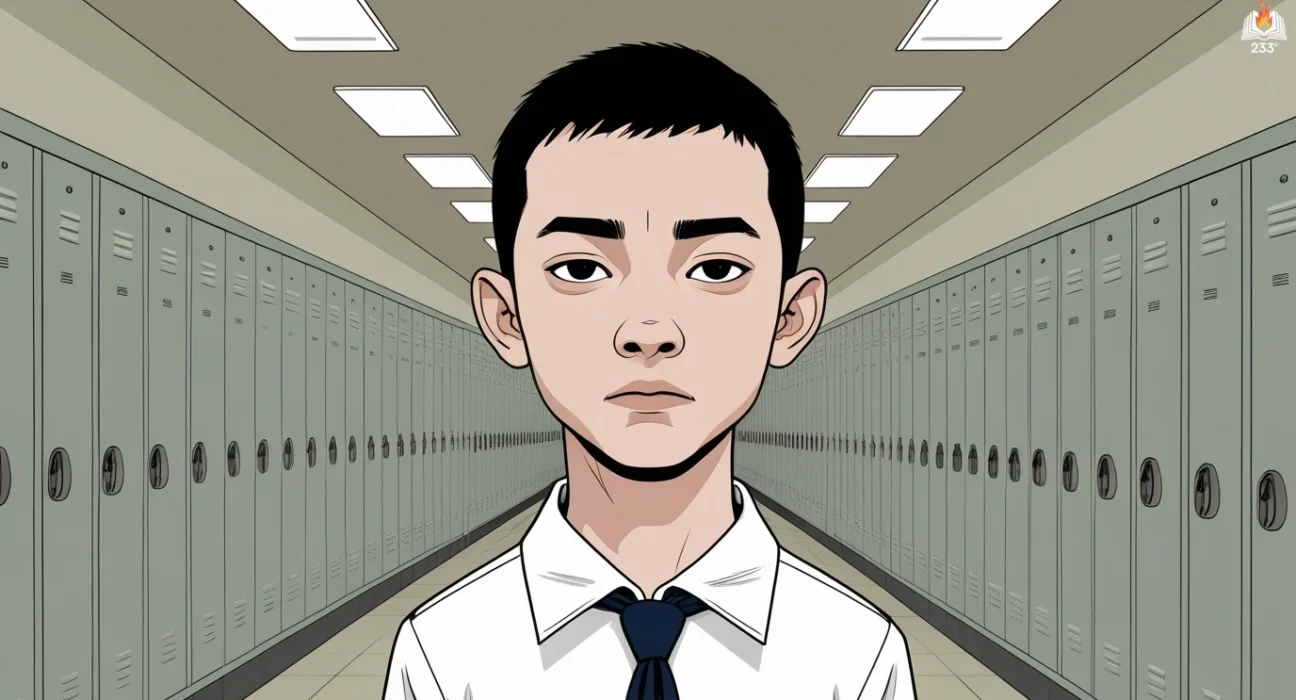
Operative 67 (Pygmy): A teenage spy from an unnamed totalitarian state, Pygmy is rigorously trained and deeply indoctrinated. He views Americans as corrupt and decadent, but through his bizarre immersion into suburban life, his rigid worldview begins to waver. His journey is shaped by a disturbing inner conflict between his violent mission and his evolving human empathy, particularly toward his host sister.
Magda (Agent 36): Fellow child operative and Pygmy’s assigned reproductive match. Fierce and calculating, she is unwaveringly committed to the mission and the ideology they’ve been taught. Her presence serves as a constant reminder of Pygmy’s past and the life he was meant to embody.
Host Father (Donald Cedar): Referred to derisively as a “cow father” by Pygmy, Donald represents the archetypal overfed, overconfident American patriarch, immersed in bureaucratic work and patriarchal authority. His complacency and blind patriotism embody the target of Pygmy’s ideological disdain.
Host Mother: A chaotic and overmedicated woman with passive-aggressive control over her household. Her obsession with self-improvement and social status showcases the contradictions in American domestic life.
Host Brother (Trevor): A volatile, violent teenage boy who bullies Pygmy and suffers from his own insecurities and dysfunctions. His twisted relationship with masculinity and dominance reveals deeper social rot beneath the suburban surface.
Host Sister (Cat Sister): Perhaps the most perceptive and nuanced of the host family, the sister begins to form a complex emotional connection with Pygmy. Her intelligence and quiet rebellion against her family’s dysfunction make her a pivotal figure in Pygmy’s transformation.
Theme
Cultural Indoctrination and Identity: The novel explores the devastating effects of ideological brainwashing and the slow unraveling of self when exposed to conflicting values. Pygmy’s programmed identity begins to fracture as he interacts with American life, revealing the fragility and force of cultural identity.
Satire of American Consumerism: Through Pygmy’s alien lens, the story mocks suburban excess—Wal-Marts, fast food, religious zealotry, and overmedication are all dissected as emblems of moral and spiritual decay. The contrast between the Spartan upbringing of the operatives and the indulgent, chaotic American lifestyle is stark and critical.
Violence and Power: Power dynamics are examined through Pygmy’s martial prowess, the bullying he endures and enacts, and the twisted rites of passage that define adolescence. Violence is both literal and symbolic—a language of dominance, resistance, and transformation.
Sexual Control and Repression: Sexuality in Pygmy is treated with brutal candor and dark irony. Whether through coercion, abstinence, or obsession, characters are seen navigating sexuality as a weapon, a trauma, or a means of control.
Language as Alienation and Weapon: The distorted grammar of Pygmy’s narration reinforces his outsider status while also serving as a satirical mirror to the absurdity of both the regime that trained him and the culture he invades.
Writing Style and Tone
Chuck Palahniuk’s writing in Pygmy is aggressively stylized, filtered entirely through the broken English of the protagonist. The narrative unfolds in a militaristic, fragmented voice that mimics surveillance reports—intentionally difficult, sometimes poetic, and always jarring. This linguistic alienation serves to immerse the reader in the disorientation of the narrator while simultaneously critiquing the subject matter from a seemingly neutral, programmed perspective.
The tone is savage, darkly comic, and deeply irreverent. Palahniuk spares no institution—religion, government, education, or family—from his satirical fire. Beneath the layers of grotesque imagery and violent absurdity, however, lies a poignant undercurrent: a yearning for connection, redemption, and autonomy. The extreme tone amplifies both the satire and the rare, subtle moments of tenderness, making them all the more impactful.
Quotes
Pygmy – Chuck Palahniuk (2009) Quotes
“Real smarts begin when you quit quoting other people........”
“Seek midday nourishment. Visit memorial acclaimed war hero Colonel Sanders.”
“Real smart begins when you quit quoting other people.”
“According lecture, entire effort United States to incite desire, inflict want, inspire demand.”
“Looming visage noble American colonel. Courageous, renown of history, Colonel Sanders, image forever accompanied odor of sacrificial meat. Eternal flame offering wind savory perfume roasted flesh.”
“All object printed: Love me. Look me. Million speaking objects,begging. Crown American consumer with power of king, to rescue choose and give home or abandon here for expire.”
“No sin, no crime, then extinction not earned.”
“If no sing, all youth condemned into poverty. Denied possible advancement and self-realization”
“In capitalist nation, all is decided by money.”
“If you won't share my life with me, maybe you'll share my death.”
“Maybe it's better just living the way you figure life is when you're a kid. Before you get too smart.”
We hope this summary has sparked your interest and would appreciate you following Celsius 233 on social media:
There’s a treasure trove of other fascinating book summaries waiting for you. Check out our collection of stories that inspire, thrill, and provoke thought, just like this one by checking out the Book Shelf or the Library
Remember, while our summaries capture the essence, they can never replace the full experience of reading the book. If this summary intrigued you, consider diving into the complete story – buy the book and immerse yourself in the author’s original work.
If you want to request a book summary, click here.
When Saurabh is not working/watching football/reading books/traveling, you can reach him via Twitter/X, LinkedIn, or Threads
Restart reading!