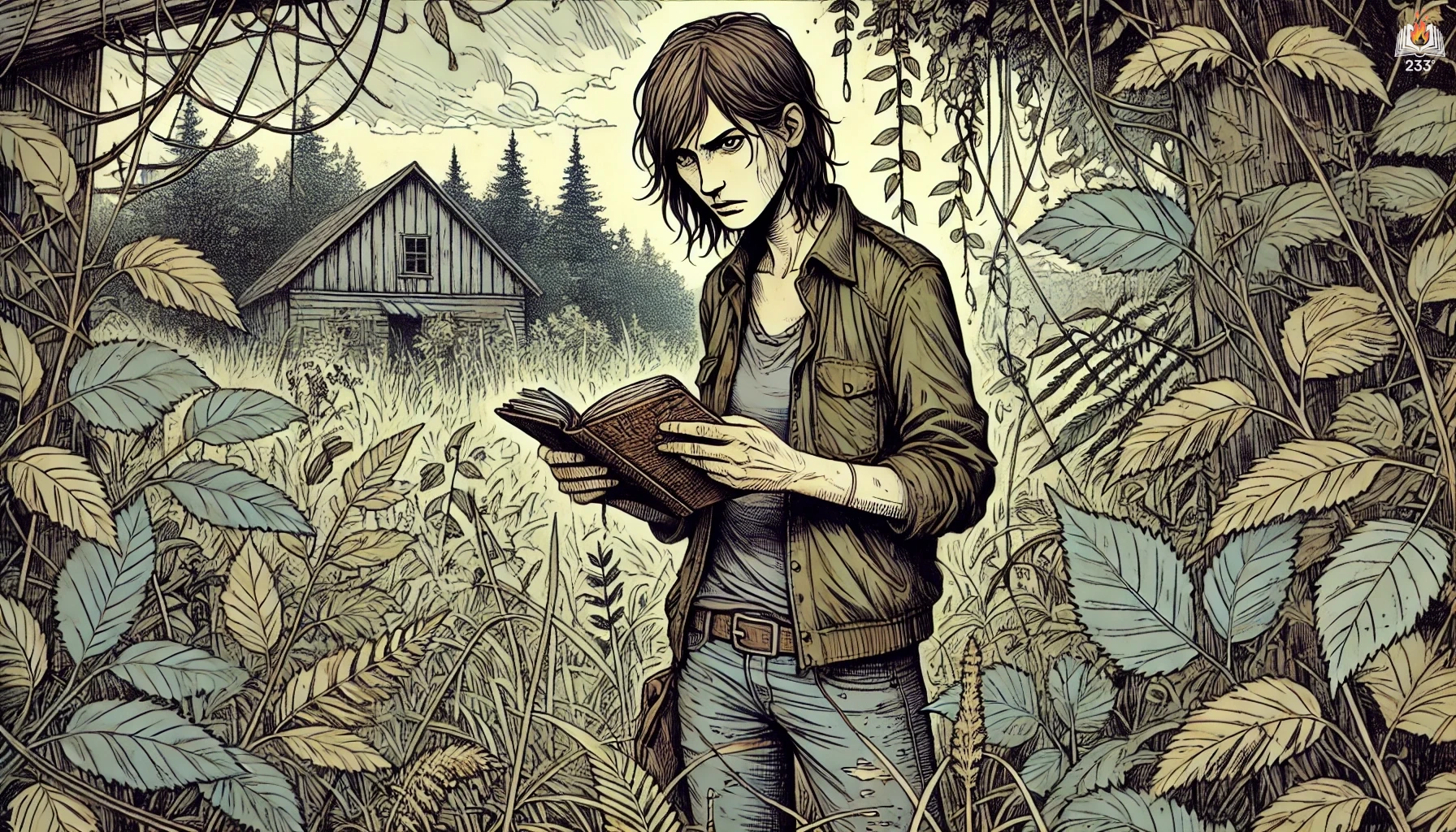


Meet the Austins by Madeleine L’Engle, first published in 1960, is the opening installment in the Austin Family Chronicles, a beloved series that precedes The Moon by Night, The Young Unicorns, and A Ring of Endless Light. The novel introduces readers to the Austin family – a close-knit, lively household whose peaceful existence is disrupted by a tragedy that forces them to open their hearts and home to a troubled girl named Maggy. This introspective and gently humorous story explores the dynamics of grief, growth, and the strength of familial love through the eyes of twelve-year-old Vicky Austin, the book’s thoughtful narrator.
Plot Summary
The evening began as it often did in the Austin household – warm, noisy, full of music and the smells of roast beef and potatoes. But the harmony shattered with a single phone call. A friend’s voice, strained and shaken, brought news that pierced the fabric of their home: Uncle Hal, the vibrant and fearless pilot who had been like a second father, was gone. A plane accident, instant death. Silence followed the announcement. Vicky, twelve and thoughtful, watched her mother pale and tremble. Around her, the noise dimmed. Life had tilted, and no one was quite ready for the descent.
The house moved quietly in the days after. There were whispered prayers, restless sleep, and a hush even during bedtime stories. Then came the second tremor: Maggy Hamilton, the daughter of Uncle Hal’s co-pilot, was to stay with them. Her parents had both died in the crash, and for now, there was no one else. Aunt Elena, grief carved into her elegance, brought the girl, and the Austins – generous in principle, loving by habit – opened their doors.
But Maggy was not an easy guest. She arrived like a whirlwind, her shrill voice echoing through rooms that had known only laughter and song. She was beautiful in a way that caught the light, her black hair and almond-shaped eyes mirroring Aunt Elena, though they were not related. She danced and disrupted, knocked over chairs on purpose, and dismissed affection with a toss of her head. When introduced to John and Vicky, she sized them up with a bluntness that stung, declaring Vicky less pretty than Suzy, her younger sister. Suzy giggled, charmed by the attention, while Vicky simmered, her sense of self quietly unraveling.
The house adjusted, or tried to. Vicky was moved from her room to Rob’s, the youngest Austin child, a dreamy boy with a beloved stuffed elephant that played Brahms’s Lullaby. Maggy took Vicky’s bed, shared her space with Suzy, and began reshaping the dynamics between the children. Suzy, enamored by her, became a constant companion. Rob, sensitive and sincere, struggled to keep up. One afternoon, Maggy snatched Elephant’s Child from him, laughed as she spun its key, and then tossed it into a thorny bush, where it broke. Rob’s silent sobs filled the room. The music was gone.
Vicky watched, heart aching, unsure whether her grief was for the toy, the loss of peace, or the intrusion of a girl who had suffered so much and yet felt so hard to love. She didn’t understand her own resentment. Maggy was an orphan, a girl in mourning, but somehow Vicky’s empathy refused to bloom.
John, the eldest, seemed to understand everyone. He hugged Aunt Elena at just the right moment, untied shoelaces for her when words would have overwhelmed. He listened, he reasoned. One night, after stars had spilled across the mountain sky like sequins, he told Vicky what Aunt Elena had said – that her time with Uncle Hal, brief and scattered, had been worth all the sorrow. She wouldn’t have traded a second of it. That conversation, under the weight of constellations and silence, became a turning point for Vicky. If love came wrapped in loss, perhaps grief was a measure of something good.
Maggy, however, remained restless. She screamed in the middle of the night, waking the house with panic. Dr. Austin took her gently downstairs, firm in his kindness, quiet in his discipline. Maggy demanded sorrow like a right, reminding everyone, again and again, that she had no parents. She didn’t want pity – she wanted control. She wanted to rewrite her place in this new, strange world.
Days passed. School resumed. Maggy was placed in Suzy’s grade, and Suzy began to echo her moods. They played hospital upstairs instead of doing homework. They whispered secrets Vicky wasn’t invited to share. At dinner, they giggled while others stayed quiet. Vicky tried to be patient. She helped where she could. She spoke when asked. But the house felt different, like a favorite song played in the wrong key.
One day, Maggy ran away. No one saw her leave. She slipped out while the others were distracted. Panic rose like a tide. The entire family scattered across the fields and woods, calling her name into the dusk. When they found her, huddled in the barn, shivering and stubborn, she didn’t cry. She only said that no one wanted her. Vicky, standing nearby, didn’t speak, but the truth pierced her – Maggy wasn’t just rude or spoiled. She was scared, terribly alone, clinging to control because it was all she had left.
Something shifted after that. Vicky didn’t become Maggy’s friend, not quite. But the sharp edge of resentment dulled. She began to see the girl beneath the defiance, the child who still woke from nightmares, who watched others being hugged and didn’t know how to ask for her own. Vicky noticed her eyes linger on Rob when he laughed, on Suzy when she brushed her hair. Maggy was learning, slowly, what it meant to belong.
Then came the snow, blanketing the hills in silence. With it, moments of peace returned to the Austin home. Maggy and Suzy fought less. Rob played more. Even Vicky laughed again, sometimes. There was music once more – not just from the piano, but from voices raised together, stories shared by the fire, the steady rhythm of life mending itself.
Winter deepened. Aunt Elena returned to collect Maggy, her presence still graceful but steadier now, sorrow less raw. Maggy packed her things, her expressions less dramatic, her movements more careful. She said goodbye without theatrics. When she hugged Vicky, it was brief, uncertain, but real. No grand declarations. Just a glance, a pause, and the echo of everything unsaid.
After she left, the Austins sat down to dinner, their table a little less crowded but no less full. Outside, the stars returned, unchanging in their quiet watch. Inside, the house felt like itself again – changed, but whole.
Main Characters
Vicky Austin – At twelve years old, Vicky is introspective, sensitive, and artistically inclined. She narrates the story with a reflective tone, often caught between childhood and adolescence. Vicky’s empathy and emotional depth make her keenly aware of the changes in her family, especially when Maggy enters their lives. She struggles with jealousy, guilt, and the challenge of accepting someone who disturbs her sense of home and order.
John Austin – The eldest of the Austin children, John is fifteen and represents the intellectual and scientific mind of the family. He is calm, analytical, and often serves as a bridge between his parents and siblings. John has a close bond with Vicky and shows great emotional maturity in the face of the family’s upheaval.
Suzy Austin – At nine years old, Suzy is lively, confident, and dreams of becoming a doctor. She is practical and sometimes bossy, and her willingness to accept Maggy contrasts with Vicky’s hesitation, creating subtle tensions between the sisters.
Rob Austin – The youngest of the Austins, Rob is a sweet and imaginative four-year-old whose innocence and vulnerability bring out the protective instincts in the family. His reaction to Maggy’s behavior often serves as an emotional touchstone for the reader.
Maggy Hamilton – Recently orphaned, Maggy is ten years old and a storm of contradictions – moody, manipulative, but also heartbreakingly lost. Her arrival in the Austin household challenges each member to confront their own assumptions about kindness, grief, and responsibility. Maggy is a catalyst for conflict and transformation within the family.
Dr. and Mrs. Austin (Wallace and Victoria) – The parents of the Austin children are nurturing, principled, and emotionally wise. Dr. Austin, a physician, anchors the family with his quiet strength, while Mrs. Austin provides a calm, firm presence that encourages growth through both structure and empathy.
Uncle Douglas – Dr. Austin’s younger brother, an artist who brings levity and perceptiveness to the story. His deep connection with the children and especially with Vicky, whom he sees as an artistic spirit like himself, adds layers of introspection to the narrative.
Aunt Elena – A concert pianist and a close friend of the Austins, she is Maggy’s temporary guardian after her husband (and Maggy’s father’s co-pilot) dies. Her grief is profound but dignified, and she becomes a quiet symbol of resilience.
Theme
Grief and Loss – The sudden death of Uncle Hal and Maggy’s parents sets the emotional tone of the novel. The characters’ responses to death—ranging from shock to introspection—explore how families absorb loss and reshape themselves in its aftermath.
Family and Belonging – Central to the novel is the concept of family as both a refuge and a structure that demands compromise. The Austins’ warmth is tested by the inclusion of Maggy, questioning what it truly means to belong and how love is expressed in the face of disruption.
Empathy and Growth – Vicky’s struggle with empathy—toward Maggy, her siblings, and herself—is a recurring motif. The novel gently examines the tension between instinctual kindness and the challenge of extending grace to those who reject it.
Change and Coming of Age – Through Vicky’s eyes, the reader witnesses the painful but inevitable transition from childhood to adolescence. Her realization that nothing remains static—not people, not feelings, not families—echoes a larger message about growing up and facing the unknown.
The Natural World and the Cosmos – The Austins often turn to nature and the stars as sources of comfort and perspective. These motifs reinforce the themes of continuity, smallness in the universe, and the beauty of being alive even amidst sorrow.
Writing Style and Tone
Madeleine L’Engle’s writing in Meet the Austins is intimate, elegant, and quietly profound. The narrative unfolds through Vicky’s first-person voice, allowing readers to enter the rich internal world of a girl on the brink of adolescence. L’Engle’s language is precise yet poetic, often suffused with sensory details that bring the family’s daily rhythms to life—like the scent of roasting carrots, the rustle of trees, or the stillness of a starry sky. The prose flows with warmth and an earnestness that never feels sentimental; it strikes a balance between simplicity and depth.
The tone of the novel is contemplative and emotionally nuanced. While it captures the charm and humor of everyday family life, it does not shy away from the complexities of sorrow, insecurity, and interpersonal tension. L’Engle infuses the narrative with philosophical undercurrents—on time, mortality, and the nature of love—without ever losing sight of the child’s perspective. There’s a profound sincerity in the way she portrays both joy and grief, making the Austins feel real and unforgettable.
Quotes
Meet the Austins – Madeleine L’Engle (1960) Quotes
“Maybe that's the best part of going away for a vacation-coming home again.”
“The true value of a human being is determined primarily by the measure and the sense in which he has obtained liberation from self.”
We hope this summary has sparked your interest and would appreciate you following Celsius 233 on social media:
There’s a treasure trove of other fascinating book summaries waiting for you. Check out our collection of stories that inspire, thrill, and provoke thought, just like this one by checking out the Book Shelf or the Library
Remember, while our summaries capture the essence, they can never replace the full experience of reading the book. If this summary intrigued you, consider diving into the complete story – buy the book and immerse yourself in the author’s original work.
If you want to request a book summary, click here.
When Saurabh is not working/watching football/reading books/traveling, you can reach him via Twitter/X, LinkedIn, or Threads
Restart reading!