
It’s In His Kiss by Julia Quinn, published in 2005, is the seventh novel in the beloved Bridgerton series, a Regency-era romantic saga known for its wit, passion, and dynamic characters. This installment centers on Hyacinth Bridgerton, the youngest sibling in the Bridgerton family, as she navigates a treacherous blend of secrets, treasure hunts, and forbidden attraction. The story unfolds with the spirited Hyacinth crossing paths with Gareth St. Clair, a man with a scandalous past and a cryptic diary that holds the key to a hidden fortune. Set against the glittering backdrop of London society, their tale brims with charm, danger, and a fiery chemistry that defies expectations.
Plot Summary
Gareth St. Clair had learned long ago that his name carried more weight than his heritage deserved. His father, a cold and cruel man, had made sure of that. It was only Lady Danbury, his sharp-tongued grandmother with her ever-present cane and unshakable will, who offered him a glimpse of family without malice. When she handed him an old diary written entirely in Italian – the language of his mysterious and long-deceased grandmother – Gareth barely gave it thought. That was, until he realized it might hold the key to a long-lost fortune. There was only one obstacle: he didn’t read Italian. Fortunately, he knew someone who did.
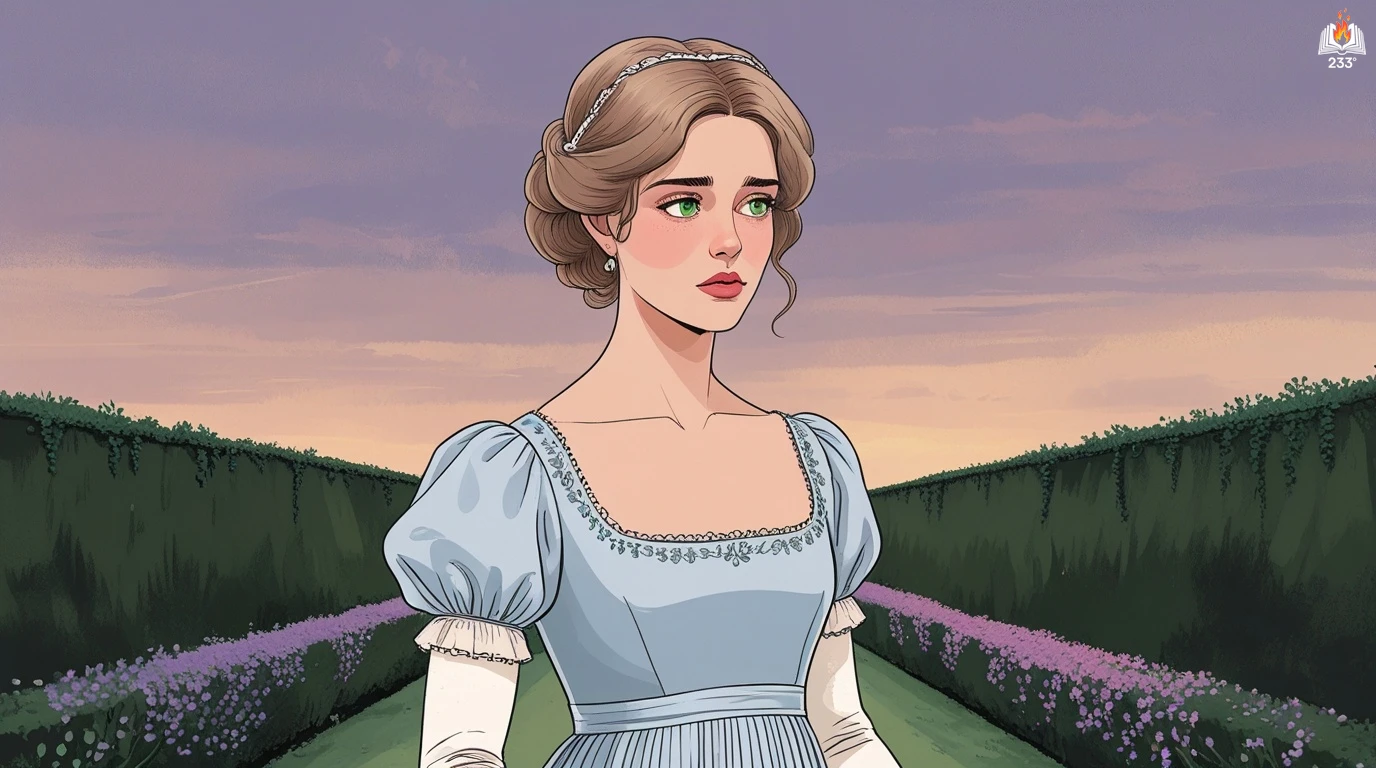
Hyacinth Bridgerton was not a woman to be underestimated. She was clever, far too clever by London’s standards, and had a tongue sharp enough to turn even the most polished gentleman into a puddle of nervous apologies. She thrived on puzzles, on mystery, and most of all, on saying precisely what others hesitated to voice. When Gareth brought her the diary, her curiosity flared before her sense of propriety could stop it. She agreed to help him translate the diary – partially because she loved languages, partially because she adored Lady Danbury, and mostly because Gareth St. Clair was too intriguing to ignore.
As they began their secret task, decoding the words of Gareth’s grandmother one passage at a time, the comfortable rhythm of their lives began to fray. The diary revealed not just musings and memories, but directions. Descriptions. Hints of a hidden treasure. A fortune in jewels, possibly concealed within Gareth’s childhood home – Clair House. Suddenly, the translation was not just a favor. It was an adventure.
Their alliance deepened. Hyacinth, with her relentless energy and unfiltered commentary, tangled beautifully with Gareth’s brooding charm and reluctant vulnerability. They sparred, they laughed, and they argued with the intensity of two people who were never meant to be passive acquaintances. Each discovery in the diary drew them closer, each secret pried loose revealing more than just clues. They learned of Gareth’s uncertain parentage, the revelation that his father – the man who despised him – was not truly his father at all. It should have been a scandal, a burden. But in Hyacinth’s company, it felt almost like freedom.
As the London season wore on, society took notice of their increasing closeness. Lady Danbury, never one to sit quietly, fanned the flames with subtle nudges and unsubtle remarks. Gareth was skeptical of marriage, weighed down by the sins of his family and his father’s cruel legacy. Hyacinth, too, was not searching for love. Or so she told herself. But something shifted each time Gareth looked at her with something more than amusement – something like wonder. She had never imagined herself desired for her wit and defiance, yet Gareth seemed to thrive on it.
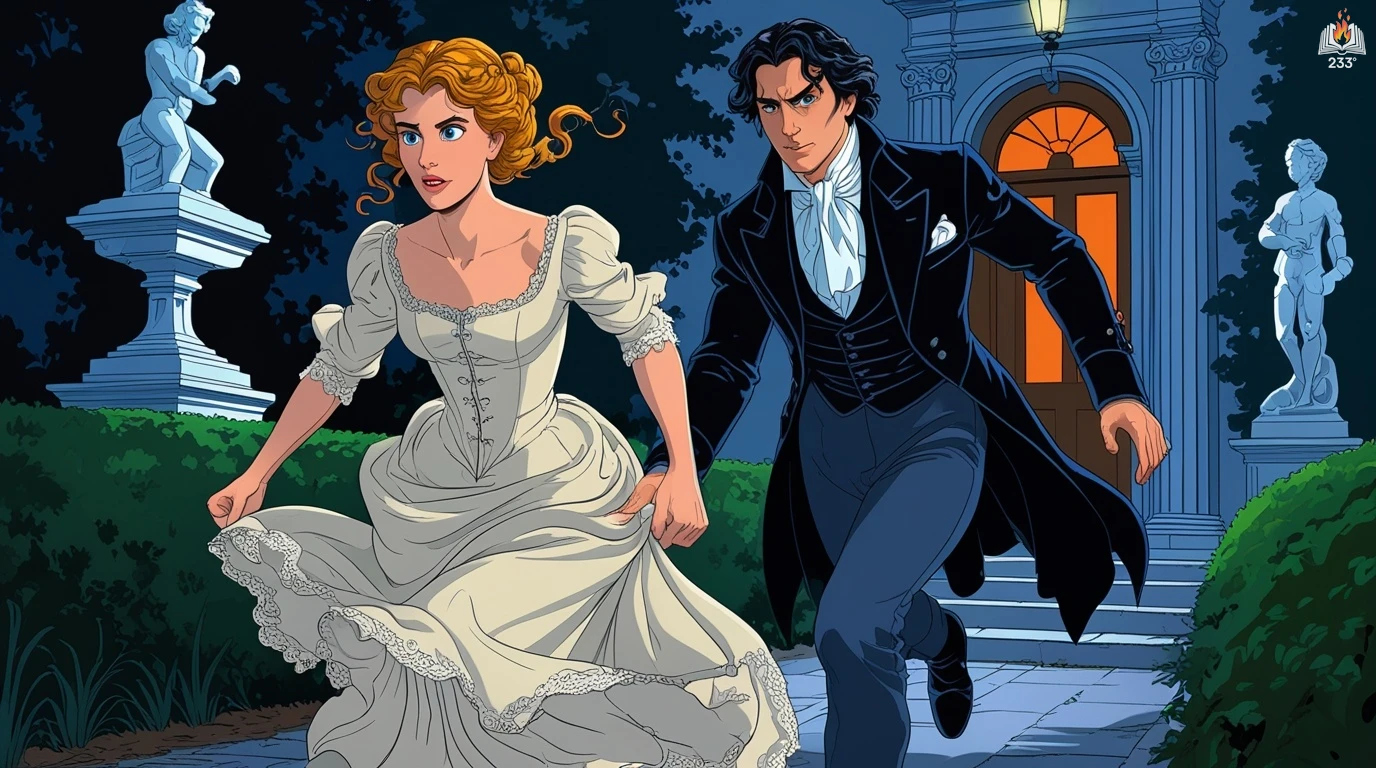
The search for the treasure intensified. Hyacinth and Gareth scoured Clair House in secret, crawling through old rooms, tapping at walls, and scouring tiles, always careful not to alert Gareth’s father or the household staff. They didn’t find jewels, but they found something else: each other. In the quiet of old hallways, in the hush between heartbeats, they fell in love. Not with fanfare, not with grand gestures, but with the undeniable pull of companionship and understanding. Gareth kissed her as if the world had stopped spinning, and Hyacinth let him, as if it had never spun at all.
Still, the diary’s secrets remained half-solved. The treasure eluded them, even as the pages thinned and hope waned. But Gareth, once so afraid of hope, had changed. He proposed to Hyacinth not with rehearsed lines or trembling nerves, but with sincerity and a heart laid bare. She accepted, with her usual flair and irreverent humor, and in doing so, tied herself to a man whose past was broken but whose future was suddenly full of promise.
Years passed. They married, they quarreled, they laughed, and they built a life. Hyacinth never stopped searching for the jewels. It became less about the riches and more about the chase – the principle of it, the stubborn insistence that they were real, and that she would be the one to find them. Gareth humored her, even helped her on occasion, though he no longer believed the jewels existed. Still, he admired her determination, and perhaps loved her all the more for it.
Their daughter Isabella grew into a sharp, beautiful young woman, frighteningly like her mother in both spirit and stubbornness. She knew of her parents’ eccentricities, accepted their odd behavior, and even admired their enduring affection. When she stumbled across the jewels at the age of ten, tucked behind a tile in the nursery washroom, she said nothing. She didn’t know what they were at first, only that they were beautiful. Later, it became a secret too precious to surrender. And so she hid them away, not realizing the years of obsession and frustration they could have spared her mother.
It was only when Isabella, now nineteen, overheard Hyacinth and Gareth reminiscing about the search – still fruitless, still doggedly pursued – that she understood the full weight of what she had done. Her mother’s relentless pursuit had not been madness but purpose. Isabella returned to her room, unearthed the velvet pouch, and prepared to do the right thing.
But Hyacinth, as always, had her own fate. On a particularly idle afternoon, years after her last serious attempt, she ventured once more into the nursery washroom. The tiles seemed the same, the shadows familiar. Yet this time, something gave. A faint crack in the tile. A sliver of plaster. A cavity. Her breath caught as she reached in and found the bag, soft and real. Her hands trembled. The jewels spilled into her palm like a dream – diamonds, framed by delicate aquamarines, shining like victory itself.
She screamed Gareth’s name until he came, breathless and stunned. She showed him the proof. He took the ring and slid it onto her finger, kissed her hand, and smiled as though he had known all along that she would succeed. They sat together on the washroom floor, fingers entwined, surrounded by dust and wonder, and Gareth told her what she already knew – that if the jewels were there, she would find them. She had always been destined to.
One floor below, Isabella heard the cry and smiled to herself. Perhaps now, her mother would stop searching. Or perhaps, she never would. But it hardly mattered. The jewels had finally been found. And in truth, they had always belonged to the woman who never stopped believing they were waiting to be discovered.
Main Characters
Hyacinth Bridgerton: As the youngest of the Bridgerton clan, Hyacinth is intelligent, assertive, and delightfully outspoken. She is fiercely loyal to her family, remarkably curious, and utterly unafraid of speaking her mind, which often leads to both humorous and precarious situations. Over the course of the novel, she transforms from a witty socialite into a determined woman on a mission, revealing unexpected depth and vulnerability as she falls in love with Gareth.
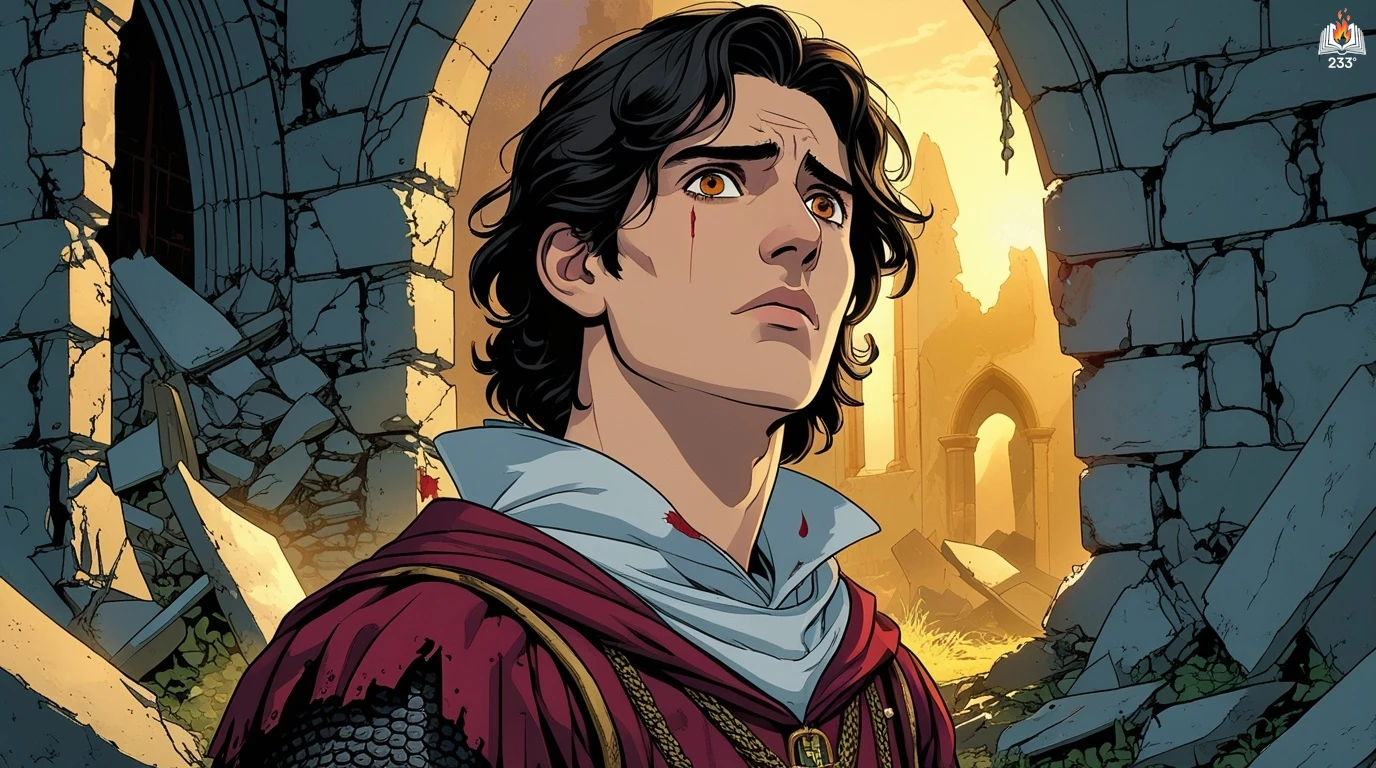
Gareth St. Clair: The enigmatic grandson of the formidable Lady Danbury, Gareth carries the weight of family secrets and paternal hostility. With his lineage in question and his inheritance at risk, Gareth is initially reluctant to trust or reveal too much. Yet as he and Hyacinth work together to decipher his late grandmother’s diary, his guarded exterior gives way to a man who deeply desires love, belonging, and redemption.
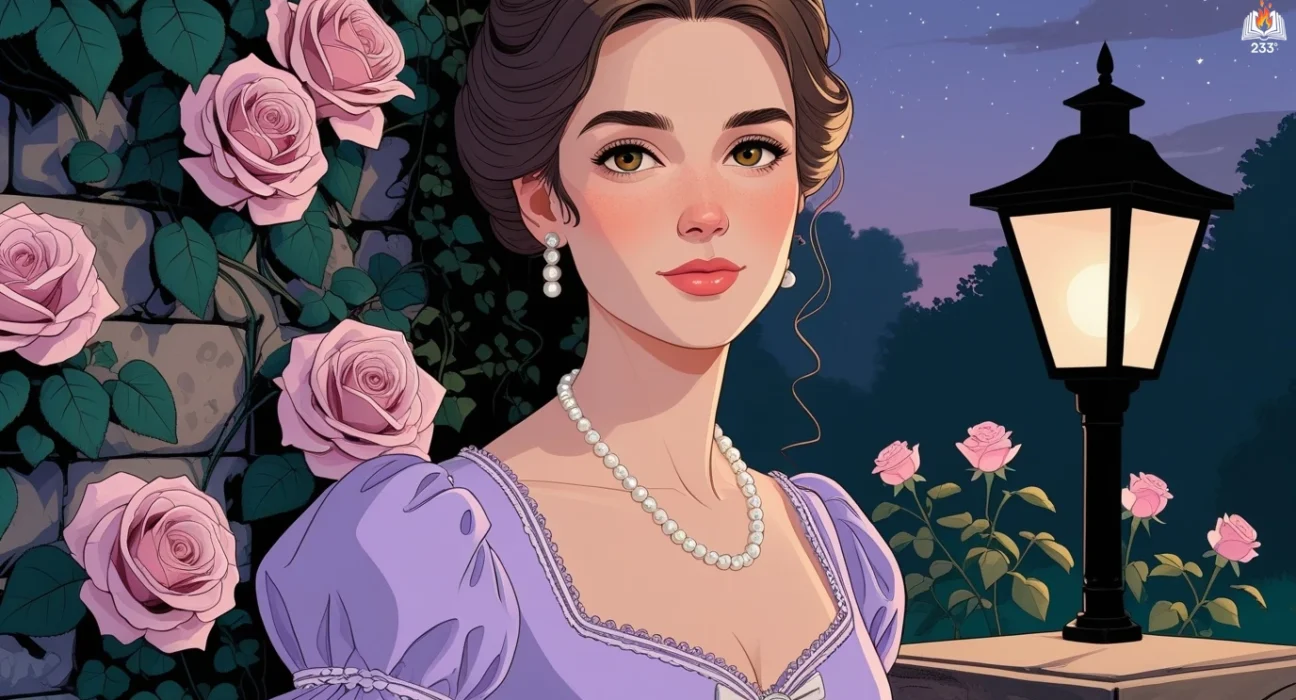
Lady Danbury: Gareth’s sharp-tongued, cane-wielding grandmother is a delightfully meddling force in both his and Hyacinth’s lives. Witty and wise, she serves as both comic relief and a moral compass, encouraging the budding romance while subtly revealing the emotional depths behind her own stern facade.
Theme
Secrets and Identity: At the heart of the novel is a mystery surrounding Gareth’s parentage and a hidden family treasure, symbolizing the characters’ search for identity and self-worth. Both Hyacinth and Gareth must confront truths that challenge their understanding of family and legacy, ultimately learning to accept themselves and each other, flaws and all.
Love and Trust: The growing affection between Hyacinth and Gareth is steeped in moments of suspicion, teasing, and vulnerability. Their romance underscores the idea that love is not born out of perfection, but trust—earned slowly and honestly through shared trials and open hearts.
Courage and Independence: Hyacinth’s determination to solve the mystery of the Italian diary and pursue the jewels showcases her daring nature. The novel consistently celebrates women who defy expectations and assert control over their own lives, reflecting Quinn’s modern sensibilities in a historical setting.
Legacy and Belonging: The recurring search for the hidden jewels serves as a metaphor for deeper familial connections and the desire to leave a meaningful mark. Gareth’s evolving relationship with his heritage, and Hyacinth’s place within the large Bridgerton family, speak to a longing for roots and belonging in a world governed by appearances.
Writing Style and Tone
Julia Quinn’s writing style in It’s In His Kiss is characterized by a lively blend of intelligent dialogue, emotional resonance, and sparkling humor. Her prose is accessible and elegant, steeped in the Regency era’s formalities yet laced with modern wit and rhythm. Quinn excels at creating vibrant characters through internal monologues and banter that feel as contemporary as they are historically grounded. This balance gives the novel a timeless quality, ensuring it appeals to modern readers while maintaining its period authenticity.
The tone throughout the novel is light-hearted yet emotionally rich. Quinn masterfully alternates between moments of comedic brilliance and profound tenderness. Whether it’s Hyacinth’s biting sarcasm or Gareth’s brooding introspection, the story never loses its emotional momentum. Even during the novel’s quieter scenes, there is an undercurrent of anticipation and intimacy, making the romance feel not just inevitable, but deeply satisfying. This duality—of laughter and longing—is what elevates Quinn’s storytelling and gives It’s In His Kiss its enduring charm.
Quotes
It’s In His Kiss – Julia Quinn (2005) Quotes
“ ‘If you want to know if a gentleman loves you,’ her mother said, ‘there is only one true way to be sure.’” Lady Danbury leaned forward. Even Hyacinth leaned forward, and she was holding the book. “‘It’s in his kiss,’ her mother whispered. ‘It’s all there, in his kiss.’ ”
“And for the rest of the night, he couldn’t quite forget the smell of her perfume. Or maybe it was the soft sound of her chuckle. Or maybe it was neither of those things. Maybe it was just her.”
“You’re going to be my grandmother.” “You silly child. In my heart, I’ve been your grandmother for years. I’ve just been waiting for you to make it official.”
“I would give the world to have one more person for whom I would lay down my life.”
“Mother,” Hyacinth said with a great show of solicitude, “you know I love you dearly—” “Why is it,” Violet pondered, “that I have come to expect nothing good when I hear a sentence beginning in that manner?”
“He didn’t know where the thought had come from, or what strange corner of his brain had come to that conclusion, because he was quite certain it would be nearly impossible to live with her, but somehow he knew that it wouldn’t be at all difficult to love her.”
“Of course none of those men was suitable. Half were after your fortune, and as for the other half—well, you would have reduced them to tears within a month.” “Such tenderness for your youngest child,” Hyacinth muttered. “It quite undoes me.”
“But she was already in. Gareth couldn't help but stand back in admiration. Hyacinth Bridgerton was clearly a natural born athlete. Either that or a cat burglar.”
“People will think you're courting me.' 'Nonsense, everyone knows I don't court respectable women.”
We hope this summary has sparked your interest and would appreciate you following Celsius 233 on social media:
There’s a treasure trove of other fascinating book summaries waiting for you. Check out our collection of stories that inspire, thrill, and provoke thought, just like this one by checking out the Book Shelf or the Library
Remember, while our summaries capture the essence, they can never replace the full experience of reading the book. If this summary intrigued you, consider diving into the complete story – buy the book and immerse yourself in the author’s original work.
If you want to request a book summary, click here.
When Saurabh is not working/watching football/reading books/traveling, you can reach him via Twitter/X, LinkedIn, or Threads
Restart reading!