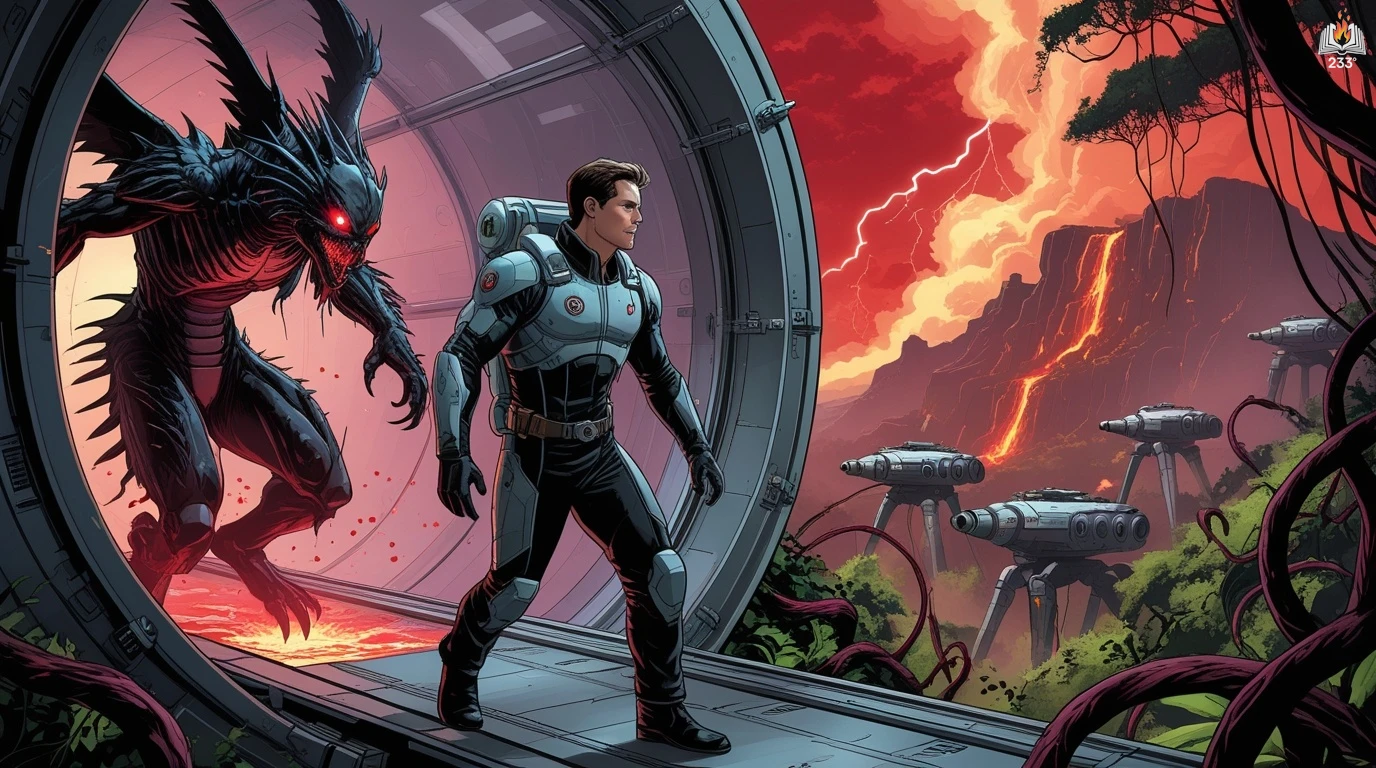
The Long War by Terry Pratchett and Stephen Baxter, published in 2013, is the second installment in the celebrated “Long Earth” series. Building on the speculative premise introduced in The Long Earth, this novel explores the profound sociopolitical and existential ramifications of humanity’s ability to traverse an infinite series of parallel Earths, collectively termed the “Long Earth”. As the frontier expands, tensions rise between the central authority on Datum Earth and the far-flung, increasingly autonomous colonies, setting the stage for ideological rifts and brewing conflict.
Plot Summary
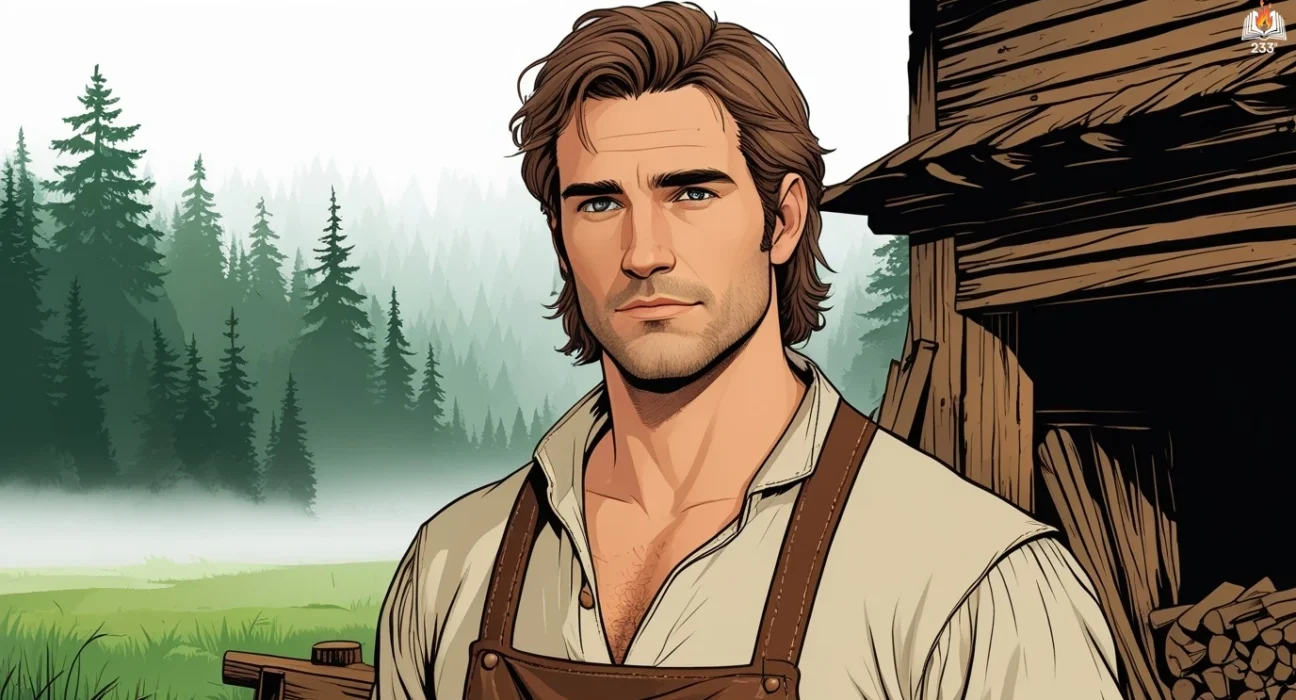
In a vast corridor of endless Earths, where each step could carry a traveler into a world untouched by humanity, the Long Earth teemed with opportunity and peril. Joshua Valienté, once a solitary explorer of these infinite frontiers, had found peace in a remote settlement known only as Hell-Knows-Where. He had forged a life among good-hearted pioneers, raised a son with Helen, his sharp and compassionate wife, and taken on the quiet responsibilities of mayor and blacksmith. The wild lands beyond his town’s edge whispered of silence and vastness, but Joshua’s world had narrowed to the warm sounds of home.
Peace, however, is a fragile thread stretched across a boundless tapestry. It frayed with the arrival of Sally Linsay – wiry, watchful, a figure from his past and the daughter of the man who had helped invent stepping itself. She came not for pleasantries but with a grim purpose: a young troll had been butchered for its parts. The trolls – gentle, music-loving humanoids who could step like humans – were being hunted, mistreated, their deaths brushed aside as the casualties of expansion. Sally needed Joshua, not for a rescue but a reckoning.
Across the Long Earth, trouble simmered. On distant Earths, humans settled like seeds blown by the wind, each new colony a rebellion against the crowded, crumbling Datum Earth. Yet the further they stepped, the more lawlessness bloomed. Datum Earth, distant and increasingly irrelevant, still tried to govern these stepwise worlds, issuing taxes and decrees no settler asked for. In return, colonists gave suspicion and slow defiance. And as reports of troll cruelty multiplied, the trolls began to disappear, vanishing from colonies they once helped build, their long call – a psychic thread linking their kind across the worlds – echoing with alarm.
Monica Jansson, a retired cop and longtime friend of Joshua, watched the tension rise from her home in Madison West 5. When a leaked video showed a troll mother, Mary, defending her cub against brutal scientists, public outrage exploded. But outrage did little in a world so large it could swallow cruelty whole. Jansson sensed the weight of change approaching – something vast and inevitable.
Overhead, in the skies of the Long Earth, the USS Benjamin Franklin hung suspended. Commanded by Maggie Kauffman, the airship embodied a bold experiment: a military vessel that could step across worlds, bearing the flag of Datum America into regions it scarcely understood. Her mission was diplomacy, exploration – and presence. But the currents she sailed were churning.
Far away, the Reverend Nelson Azikiwe, a priest rooted in English soil, grappled with faith in a world that had outpaced belief. Where once there was only one Earth, now there were millions, and the Book had not prepared him for that. His science background whispered louder than scripture, calling him to the Long Earth, to the unknown.
And beyond the known, beyond even the ambitions of Datum Earth, waited Lobsang. Artificial intelligence, claimed reincarnated soul, manipulator, savior – he existed in multiple forms, including the mind aboard the Benjamin Franklin. Though he moved among humans, his gaze reached further still. One version of himself had already been launched beyond the solar system, a godling aboard a probe. But here, in the unfolding drama, Lobsang nudged events with his usual mix of precision and patience.
Joshua, torn from his quiet life, agreed to Sally’s request. With Helen and their son Dan, he boarded the waiting twain, bound for Valhalla and beyond. There, in the heart of the new civilization, debates raged. Could trolls be protected under human law? Did the rights of colonists extend to creatures who could think, feel, and sing in a language of harmony? Could humanity share the Long Earth or only consume it?
As Joshua traversed the stepping worlds, meeting with governors and idealists, rebels and opportunists, he saw the seeds of discord already rooted deep. The colonists wanted freedom. Datum Earth wanted order. Neither seemed prepared to listen to the trolls, whose silence was growing louder by the day. Their sudden disappearance from dozens of Earths was not a retreat, but a withdrawal – strategic, sorrowful, and resolute.
Meanwhile, Maggie Kauffman’s voyage took her further than any American airship had gone. She found settlements without flags, cities thriving without laws, and strange alliances forming. Kobolds and intelligent beasts conspired in shadowed glades, watching humanity’s progress with disdain and growing resolve. In one world, Maggie encountered trolls who did not flee but turned their backs, a message louder than speech.
Lobsang, ever watching, began to draw lines of preparation. He spoke of a Long War – not of guns and battles, but of ideals and persistence. The trolls, it seemed, were not alone in their discontent. All across the Long Earth, a quiet resistance was forming, not with violence, but with choice. Entire communities began to cut ties with the Datum. Some declared independence. Others simply stopped answering calls.
In the cold reach of a forgotten Earth, Joshua encountered a troll who did speak. Its message was simple and devastating: they would no longer engage. Humanity had shown its hand, and the trolls would step elsewhere, beyond reach, to places no human had yet walked. It was not exile but preservation.
Back home, Helen had watched the shape of things with clear eyes. She knew what Sally had stirred, and what Joshua could not ignore. She packed for Valhalla not with fear, but with determination – Dan would see the Datum, learn its flaws, and perhaps be part of something better.
In the end, as the Benjamin Franklin floated above another fresh Earth, as settlers unloaded crates and dreams, and as a breeze stirred the grasses untouched by human feet, the Long Earth kept on turning. Endless, patient, indifferent.
The trolls were gone.
But they were not defeated.
And neither was hope.
Main Characters
Joshua Valienté – A seasoned stepper and pioneer of the Long Earth, Joshua is drawn back into the sprawling narrative when his conscience and a call from his past disrupt his idyllic family life. Grounded, moral, and deeply introspective, Joshua serves as the novel’s emotional and philosophical anchor, balancing his duties as a husband and father with a nagging sense of larger responsibility.
Sally Linsay – Fierce, fiercely independent, and enigmatic, Sally reappears as a catalyst for change. She is driven by a passionate need to protect the trolls, an intelligent and musical species native to the Long Earth. Her history with Joshua is complex and layered, marked by deep mutual respect and unresolved tensions.
Lobsang – A quasi-omnipresent artificial intelligence claiming to be the reincarnation of a Tibetan motorcycle repairman, Lobsang is both puppet-master and philosopher. He orchestrates many of the larger movements across the Long Earth, operating iterations of himself in multiple places, his motivations blending altruism with inscrutability.
Helen Valienté – Joshua’s pragmatic and capable wife, Helen embodies the resilient spirit of the pioneer. Though initially wary of Sally’s return, she supports Joshua with a blend of strength and quiet wisdom, prioritizing family and community stability above all else.
Commander Maggie Kauffman – A strong-willed military leader tasked with exploring the further reaches of the Long Earth aboard the USS Benjamin Franklin, she represents the expanding influence and ambitions of the Datum government in its quest to consolidate control over the far colonies.
Nelson Azikiwe – A reverend wrestling with spiritual and scientific questions raised by the Long Earth. His internal conflict mirrors that of humanity’s larger struggle to understand their place in a vastly expanded cosmos.
Theme
Colonialism and Autonomy – The novel interrogates the ethics and logistics of governing a limitless frontier. Through the push-pull between Datum Earth and its colonies, it mirrors historical tensions in real-world colonial empires and the quest for self-determination.
Cultural Misunderstanding and Coexistence – The treatment of trolls acts as an allegory for real-world issues of speciesism, racism, and exploitation. Their peaceful nature and musical communication contrast sharply with humanity’s often violent and utilitarian approach to new environments.
Technological Progress and Responsibility – The advancements brought by stepping and the development of twains (step-capable airships) present a double-edged sword. They foster connection and exploration but also incite conflict and ecological upheaval, demanding ethical scrutiny.
The Search for Identity and Belonging – Characters like Joshua and Nelson grapple with their evolving roles and beliefs, reflecting the broader human struggle to find meaning in a world that has exponentially expanded.
Writing Style and Tone
Pratchett and Baxter meld their voices into a seamless narrative that balances philosophical inquiry with grounded character development. Pratchett’s wit, irony, and moral nuance harmonize with Baxter’s methodical and speculative rigor. The prose alternates between contemplative introspection and vivid descriptions of new worlds, fostering both wonder and a critical lens on humanity’s behavior.
The tone shifts fluidly across the narrative. It is often sober, reflecting the gravity of the societal and ethical dilemmas at hand. Yet moments of levity, irony, and even absurdity punctuate the story, a hallmark of Pratchett’s influence. This interplay ensures that The Long War remains deeply engaging while prompting readers to question the consequences of unchecked expansion and moral complacency.
Quotes
The Long War – Terry Pratchett (2013) Quotes
“Joshua, cynicism is the only reasonable response to the antics of humanity.”
“The nice thing about artificial intelligence is that at least it's better than artificial stupidity.”
“We could try the Turin test," said Lobsang. "Oh, machines have been able to pass the Turing test for years." "No, the Turin test. We both pray for an hour, and see if God can tell the difference.”
“And there's no such thing as too much back-up.”
“We ought to call ourselves Homo clamorans . Noisemaking man.”
“...our citizens must be protected, even from being dumb, which is not a crime.”
“We're going to bollocks up our second chance at Eden, even before the paint has dried.”
“The beagle and the kobold approached, walking out of the dusty distance.”
“By now there were whole new Industrial Revolutions going on in the Low Earths; the British seemed to have the building of steam engines and railways in their genes.”
“The folk of Hell-Knows-Where by default still thought of themselves as Americans.”
“He took refuge in the concept that sometimes slowest is the fastest in the end.”
“A pioneer family lived beyond the reach of shopping malls...”
“Wow. Pioneers with ice-cream." Joshua felt motivated to defend his home. "Well, it doesn't have to be like the Donner Party, Sally-”
“What a racket,’ she said as she walked up, theatrically clamping her hands over her ears. ‘Noise, everywhere you go. We ought to call ourselves Homo clamorans. Noisemaking Man.”
“Look, whatever hayseed laws you pass in Who-Knows-What -" "Hell-Knows-Where." "Don't amount to a hill of beans back here, as your type might say.”
“The Long Earth is bountiful but not forgiving.”
“We do teach our kids the golden rule - Do as you would be done by.”
“If I was a cynic I would be wondering if sooner or later some charismatic douche-bag might stomp all over this Little House on the Prairie dream of yours.”
“We could try the Turin test,’ said Lobsang. ‘Oh, machines have been able to pass the Turing test for years.’ ‘No, the Turin test. We both pray for an hour, and see if God can tell the difference.’ And”
“You could learn all you need to know about human males from one miserable specimen.”
“Fear generates big profits.’ ‘You’re very cynical.’ ‘Joshua, cynicism is the only reasonable response to the antics of humanity.”
We hope this summary has sparked your interest and would appreciate you following Celsius 233 on social media:
There’s a treasure trove of other fascinating book summaries waiting for you. Check out our collection of stories that inspire, thrill, and provoke thought, just like this one by checking out the Book Shelf or the Library
Remember, while our summaries capture the essence, they can never replace the full experience of reading the book. If this summary intrigued you, consider diving into the complete story – buy the book and immerse yourself in the author’s original work.
If you want to request a book summary, click here.
When Saurabh is not working/watching football/reading books/traveling, you can reach him via Twitter/X, LinkedIn, or Threads
Restart reading!