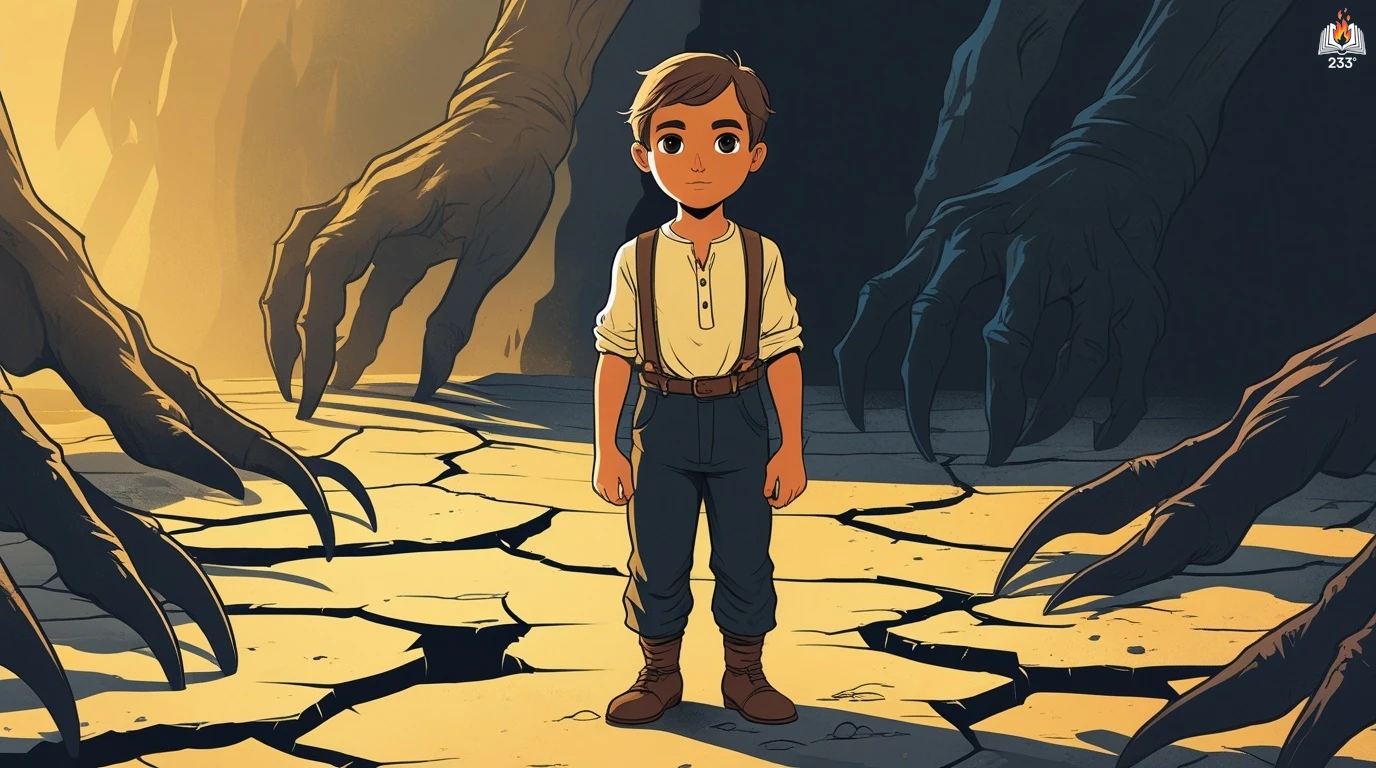
Prentice Alvin, published in 1989, is the third book in Orson Scott Card’s acclaimed Tales of Alvin Maker series, a masterful alternate history fantasy set in early 19th-century America. The novel continues the coming-of-age journey of Alvin Miller, a young man with extraordinary powers as a “Maker,” as he begins his apprenticeship and faces both personal and societal challenges in a world teeming with magic, slavery, and moral complexity.
Plot Summary
In the year 1811, in the fractured young land that once was America, Alvin Miller begins the journey that will shape him into the Maker he is meant to be. Born the seventh son of a seventh son, Alvin bears within him the power to shape the world – to mend, to build, to heal. But power does not come without cost, nor without challenge. Sent away from his family in Vigor Church, Alvin sets out for Hatrack River to begin his apprenticeship as a blacksmith under Makepeace Smith, a man as hard and unyielding as the iron he shapes.
On his journey, the path of Alvin crosses with Peggy, a girl of rare and secret gifts. Peggy, a torch, sees the flickering heartfires of others and knows their truths and futures as if they were written across the sky. She has known Alvin since the day of his birth, though he does not remember. It was Peggy who saw all the thousand ways death reached for the infant Maker and it was Peggy who shielded him from each grasping hand. Now, as Alvin approaches manhood, Peggy’s heart stirs with hope and dread, for she has seen the shape of his days and the pain that love and destiny will bring.
As Alvin begins his apprenticeship, he faces the grinding toil of the forge and the harsh lessons of Makepeace, whose envy and smallness of spirit weigh heavy on the boy. Yet Alvin’s gifts shine through even in the simplest tasks. He mends broken plows not just with hammer and tongs but with an instinct that reaches into the iron’s memory, coaxing it to be whole. His Maker gift, however, is a dangerous thing in a world that mistrusts change and fears miracles. Suspicion brews among the townsfolk, and Makepeace’s resentment grows sharper, his punishments crueler.
Far to the south, where the land is ruled by the lash and the cross, Cavil Planter kneels in prayer, torn between his godly image and the dark hunger in his heart. Childless and aching with longing, Cavil dreams of a legacy. When the Overseer – a being neither man nor devil – whispers to him of a terrible purpose, Cavil surrenders to its will. One by one, his slave women are called to his bed, and the children born of this sin are sent away, scattered like seeds to the wind, each carrying a trace of his blood. But corruption has a price, and though Cavil wraps himself in scripture, the rot within him spreads.
Back in Hatrack River, Alvin’s gift is put to a fateful test. The boy saves the life of a dying apprentice by calling on the forces of life and earth to mend broken flesh. Word of this miracle stirs both wonder and fear, and Alvin finds himself drawn into a dangerous dance with forces beyond his ken. He meets Taleswapper, a wandering storyteller and collector of truths, who recognizes in Alvin the potential to shape the fate of nations. Taleswapper becomes mentor and friend, urging Alvin to seek not only skill but wisdom, and to understand the weight of creation.
While Alvin grows in strength, Peggy’s heart is torn by the paths she sees unraveling before him. She knows that Alvin will shape the world, but she also sees the loneliness that will shadow his steps, the burden of a destiny no one else can bear. And so she watches, unseen, her love a quiet flame.
Meanwhile, in the dark hush of the night, a slave girl flees across the land, her child clutched to her breast. Pursued by the dogs of men, she calls upon a fierce and forbidden magic. With a poppet of wax and ash, she binds her strength, and for a single night, she flies. When morning breaks and her wings fail, she finds herself at the banks of the Hio River, trembling, desperate, waiting for death or deliverance.
It is Peggy who sees her first, the torch’s vision reaching across miles. Together with her father, Horace Guester, Peggy leads a rescue that crosses water and fear. They bring the girl and her child into their home, hiding them from the reach of slavers. But the price of magic is never light. The girl’s body, already spent, fades fast, and by morning she is gone, leaving the child behind. Margaret Guester, Peggy’s mother, cradles the babe, the weight of choice heavy upon her heart. Against the bitter talk of townsfolk and the long shadows of prejudice, she claims the child as kin, setting her family on a new path of quiet defiance.
Alvin’s apprenticeship nears its end, but his trials have only begun. Makepeace’s jealousy curdles into treachery. A plot is set, a cruel trap that will test the boy’s mastery and his soul. When Alvin is nearly slain, it is not strength of arm that saves him but the power of his will, the Maker’s calling that shapes the world to his desire. He heals his own wounds, binds his flesh with earth and light, and rises reborn.
Yet even as Alvin triumphs, the darker forces circle. The Unmaker – a presence older than time, the voice that whispers of ruin – seeks to turn Alvin from creation to destruction. Again and again, Alvin must choose: to build or to break, to shape or to shatter. His heart, steady and true, yearns toward making, yet temptation dogs his steps.
In the quiet after the storm, Alvin walks the land, feeling its pulse beneath his feet. Peggy watches from afar, her heart tight with hope and sorrow. She has seen his future unfold in a thousand threads, each twisting toward light and shadow. She knows that their paths will meet, that love will come to them wrapped in duty and longing. But for now, she lets him go, for a Maker’s work is not done in a single season.
As the sun sets over Hatrack River, Alvin turns his face toward the road, the iron of his craft heavy at his hip, the weight of his gift heavier still. The land hums with possibility, the promise of hands that heal, of bridges yet unbuilt, of a crystal city rising on the bones of the old. And so the Maker walks on, carrying within him the seed of a better world.
Main Characters
Alvin Miller: The protagonist and a seventh son of a seventh son, Alvin is a gifted young Maker who can shape matter and life itself. Driven by a deep sense of purpose, he wrestles with the burden of his gift, moral dilemmas, and the responsibilities of his apprenticeship. Alvin’s journey from boyhood to manhood is shaped by his determination to use his powers to heal and create, not destroy.
Peggy Guester: A powerful “torch,” Peggy can see into the hearts and futures of others. She has quietly guided Alvin’s fate since his birth, safeguarding his life through her foresight. Peggy’s own inner turmoil, particularly her conflicting feelings about her destiny and her love for Alvin, lends emotional weight and tragic undercurrents to the narrative.
Cavil Planter: A slave-owning planter tormented by lust, guilt, and religious fanaticism, Cavil’s inner corruption is manipulated by a dark figure called the Overseer. His storyline serves as a stark counterpoint to Alvin’s, highlighting themes of sin, hypocrisy, and moral decay in the antebellum South.
Horace and Margaret Guester: Peggy’s parents, compassionate innkeepers involved in the Underground Railroad. Their moral courage and kindness toward escaping slaves add a grounding note of decency and humanity to the story.
Po Doggly: A rough but good-hearted farmer who assists the Guesters in their efforts to help runaway slaves. He brings moments of humor and rugged honesty to the tense world of Hatrack River.
Theme
Creation vs. Destruction: At the core of Alvin’s journey is the choice between using his Maker powers to build and heal or to dominate and harm. This theme explores the moral weight of creativity and the dangers of unchecked power.
Freedom and Slavery: The novel grapples with the horrors of slavery, both physical and spiritual. Through characters like Cavil and the runaway slave girl, Card examines the dehumanization of slavery and contrasts it with acts of resistance and hope.
Moral Responsibility: Alvin’s growth is marked by his increasing sense of ethical responsibility, not just for himself but for the world around him. Peggy’s torment over her visions and Cavil’s descent into evil deepen the theme of personal accountability.
Destiny and Free Will: The clash between predetermined fate and personal choice is central, especially through Peggy’s visions and Alvin’s attempts to forge his own path. The story asks whether knowing the future liberates or traps the characters.
Writing Style and Tone
Orson Scott Card’s prose in Prentice Alvin is rich, evocative, and steeped in the rhythms of American folklore. He blends a distinctive vernacular voice with a lyrical cadence, capturing both the grit of frontier life and the magic-laden atmosphere of his alternate America. Dialogues feel authentic, often carrying the flavor of regional speech, while internal monologues reveal layers of doubt, faith, and yearning.
The tone of the novel is a careful balance between wonder and darkness. Card writes with a deep moral seriousness, exploring themes of good and evil, love and betrayal, yet the story also hums with a sense of hope and redemption. Moments of harsh realism—particularly regarding slavery and human cruelty—are softened by luminous acts of courage, sacrifice, and creation. There’s a timeless, almost mythic quality to the narrative, allowing the reader to feel both the immediacy of the characters’ struggles and the larger symbolic weight of their journeys.
Quotes
Prentice Alvin – Orson Scott Card (1989) Quotes
“He’d undone all he could. You can be sorry, and you can be forgiven, but you can’t call back the futures that your bad decisions lost”
“I'm just saying things never get so bad we can't do something to make them better.”
“Everybody has his talent, everybody has his gift from God, and we go about sharing gifts with each other, that's the way of the world, the best way.”
“The bigger a man is, the more people he serves,” said the Prophet. “A small man serves himself. Bigger is to serve your family. Bigger is to serve your tribe. Then your people. Biggest of all, to serve all men, and all lands.”
“[H]e had come to work for what the fee could buy, and not for joy of the work itself.”
We hope this summary has sparked your interest and would appreciate you following Celsius 233 on social media:
There’s a treasure trove of other fascinating book summaries waiting for you. Check out our collection of stories that inspire, thrill, and provoke thought, just like this one by checking out the Book Shelf or the Library
Remember, while our summaries capture the essence, they can never replace the full experience of reading the book. If this summary intrigued you, consider diving into the complete story – buy the book and immerse yourself in the author’s original work.
If you want to request a book summary, click here.
When Saurabh is not working/watching football/reading books/traveling, you can reach him via Twitter/X, LinkedIn, or Threads
Restart reading!