
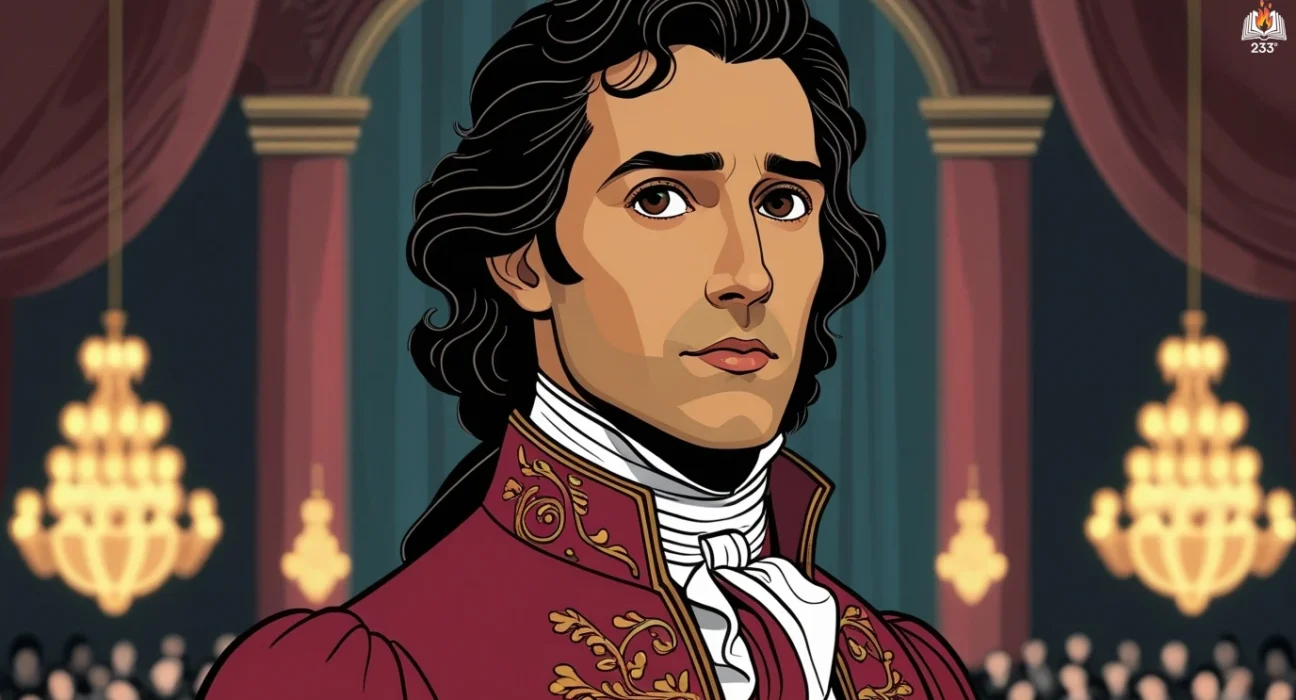
Cry to Heaven, penned by Anne Rice in 1982, is a rich historical novel set in 18th-century Italy, where opera reigned supreme and the controversial practice of castrating young boys for musical greatness was at its peak. Melding meticulous research with the sensual, opulent style Rice is known for, the novel explores the transformation of pain into art, power into beauty, and vengeance into transcendence. Though Rice is famously associated with her Vampire Chronicles, this novel stands apart in her bibliography as a visceral meditation on identity, sacrifice, and music.
Plot Summary
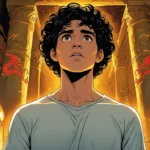
In the grand palazzos of Venice, where marble stairs echoed with secrets and the moonlight bathed canals in silver, Marc Antonio Treschi was born into aristocracy, destined for a life of privilege and politics. The last scion of a powerful lineage, Tonio moved through his childhood between shadows and splendor. His mother, Marianna, a once-gifted singer from the famed Pietà conservatorio, flickered between manic devotion and bitter despair. She clung to Tonio with a love as volatile as her moods, drowning in wine and memories, yet lifting her voice in duet with his, gifting him her passion for music. Tonio’s voice – bright, effortless, divine – was her obsession, her consolation, her curse.
In his early years, Tonio worshipped beauty from behind the windows of his prison-palace. San Marco’s choirs stirred something untouchable within him, and his first memory of music’s grandeur came not from a stage, but from the golden lofts of that church, where the voice of the castrato Alessandro soared with a power that felt like God’s breath. Tonio sang with him once, a fleeting, innocent moment that would echo for years. He didn’t yet understand what made Alessandro’s voice possible – the bodily sacrifice, the violence hidden behind the glory.
His father, Andrea Treschi, the aged and austere Grand Councillor, offered affection like ceremony, brief and rare, but laced with silent pride. In his absence, Tonio imagined a world bursting with brothers, cousins, laughter and light. But the halls remained empty, the walls lined only with the oil-glazed faces of long-dead ancestors. Duty loomed like the domes of Venice. Tonio would inherit the Senate seat, wear the family crest, bind himself in tradition. There was no room for error. No space for song.
Beneath the marble and etiquette, darker tides stirred. Tonio’s voice drew admiration from the servants, his mother’s former tutors, and the old castrato Beppo. But in a city steeped in hypocrisy, where the castrati filled churches with music and hearts with wonder while being pitied and mocked in equal measure, Tonio’s voice was both gift and threat. And jealousy, ambition, and betrayal conspired behind velvet drapes.
Then came the night that shattered everything.
Without warning, without mercy, Tonio was abducted. Dragged from the palazzo by masked men, he awoke in a remote villa, bound and dazed. There, on a bloodstained table in the echoing silence of a stone chamber, his fate was sealed with a blade. Castrated against his will, he was condemned to a life he never chose. The transformation from nobleman to eunuch was complete, brutal and irreversible.
He survived, barely, and with every breath he drew afterward, he breathed vengeance.
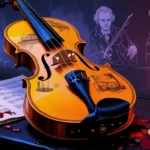
Guido Maffeo, a once-famous castrato turned maestro, took him in. Scarred but resolute, Guido had endured his own mutilation as a child, rising through the ranks of Naples’ finest conservatorio with nothing but talent and tenacity. Under Guido’s stern instruction, Tonio was forged into an instrument of art. His body had been broken, but his voice – now more miraculous than ever – rose like fire from the ashes. He learned the ancient techniques, mastered phrasing, expression, power. He sang as though summoning the ghosts of centuries. In the world of the castrati, where music reigned and beauty was currency, Tonio became legend.
But inside, rage burned. He dreamed of Venice. He dreamed of his brother Carlo, whose betrayal had orchestrated his mutilation. Of Andrea, who had failed to protect him. Of the Treschi name, sullied by the silence surrounding his fate. Though Guido tried to guide him toward a life of ascetic devotion to music, Tonio’s soul remained torn – between vengeance and artistry, between his old life and this strange new realm where he was worshipped and feared.
Years passed. Tonio conquered Naples, then Rome. He sang for kings, queens, cardinals. Crowds wept at his arias. Flowers rained from balconies. His voice, unearthly and perfect, was described as divine, yet behind the ovations stood a man still haunted. Fame gave him access, and he used it with precision. He learned who had betrayed him, who had remained silent, and who still walked freely in the marble halls of Venice.
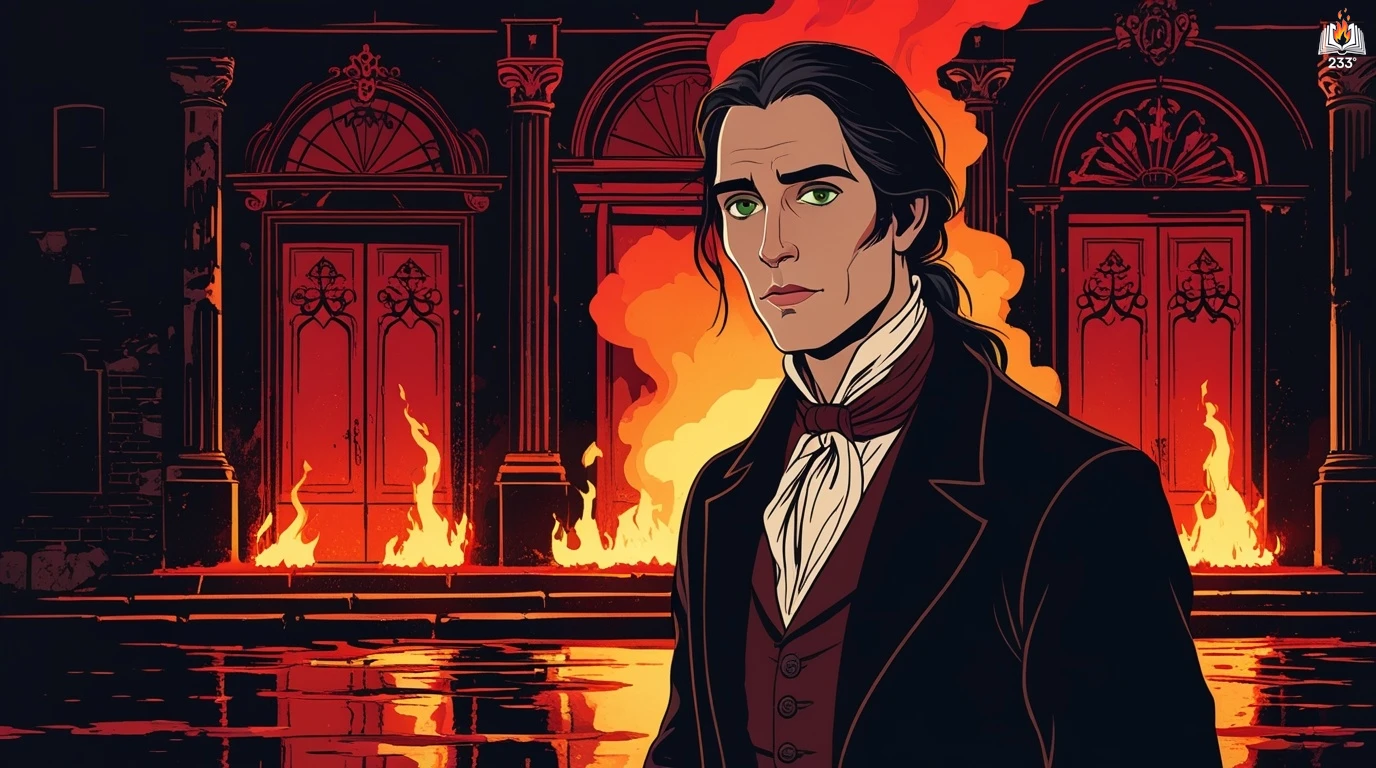
When he returned to his city, it was not as a senator but as a performer – cloaked, mysterious, exalted. Venice whispered his name. Beneath the mask, Tonio plotted. He sought out the old corridors of the Treschi palazzo, the faces of the conspirators, the corridors of justice his father once ruled. He did not kill with steel but with silence, leverage, shame. He used the secrets he’d gathered to ruin his brother, expose the truth, and restore a measure of justice to his broken lineage.
Yet amidst the bloodless revenge, something shifted. The stage, once a cage, became a sanctuary. His voice, once a weapon, became a benediction. Through Guido’s quiet strength, he discovered not only the depth of his artistry, but the depth of his humanity. The pain that had driven him could no longer consume him. He was no longer a Treschi, not truly – he had become something else. Something freer.
Guido, too, had changed. Where once he had worshipped the idea of music as pure priesthood, he came to see in Tonio’s rebellion a kind of truth. They shared a bond deeper than teacher and student, beyond blood or body – a devotion forged in silence, sacrifice, and sound.
In the final act of his ascent, Tonio stood again on a Roman stage, his voice lifting above the glittering chandeliers, his soul laid bare. There was no mask now, no vengeance in his song. Only beauty. Only the ache of what had been lost, and the radiance of what had been born in its place.
He sang not for revenge, not for forgiveness, but because he could – because from pain had come music, and in music, he had found a way to live.
Main Characters
- Tonio Treschi – The heart of the novel, Tonio is a Venetian nobleman whose world is violently upended when he is betrayed and castrated as a teenager. Initially raised to be a senator, Tonio’s life takes a tragic and transformational turn as he enters the world of the castrati. Intelligent, emotionally intense, and gifted with a divine voice, Tonio’s arc is one of vengeance, awakening, and ultimately, self-reinvention. He is torn between the haunting legacy of his aristocratic lineage and his newfound place as a revered artist.
- Guido Maffeo – A former castrato turned maestro, Guido is both a survivor and a visionary. Castrated as a child and raised in the conservatorio, Guido has sublimated his trauma into rigorous discipline and musical genius. He becomes Tonio’s mentor and spiritual compass, guiding him through the treacherous waters of the musical elite. Guido is stern yet compassionate, a man whose past scars have tempered him into a pillar of strength and mastery.
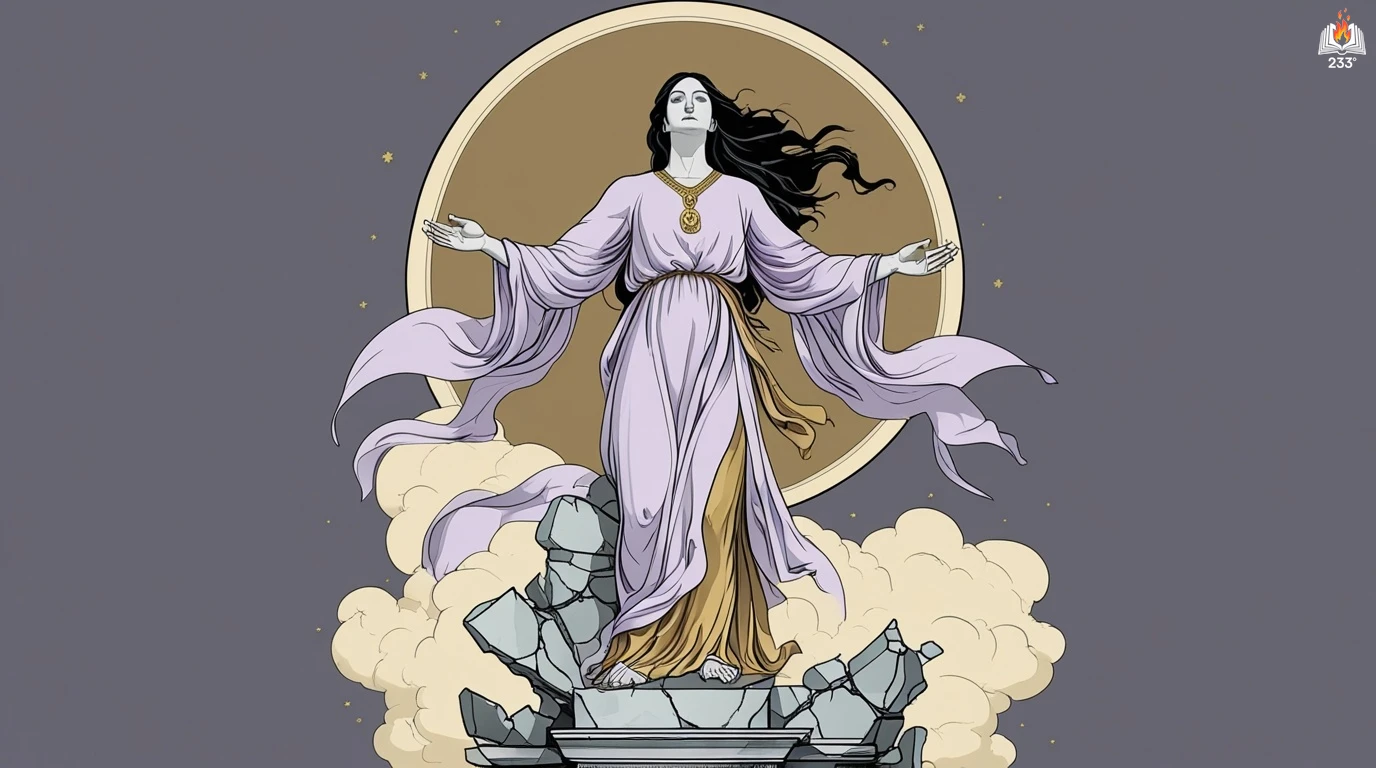
- Marianna – Tonio’s volatile and emotionally fragile mother, Marianna oscillates between fierce love and destructive instability. Once a prodigious singer trained under Vivaldi, her life is consumed by regret and isolation. Her influence on Tonio is profound and haunting, a blend of beauty, madness, and longing that fuels much of his internal conflict.
- Andrea Treschi – Tonio’s distant but powerful father, a patrician with immense political sway in Venice. Andrea is a stoic and authoritative figure whose decision to marry a second wife after his sons’ deaths set the stage for Tonio’s tragic fate. His relationship with Tonio is complex, layered with duty, affection, and the cold detachment of aristocratic expectation.
- Alessandro – A celebrated castrato of San Marco and Tonio’s childhood idol. Alessandro embodies the celestial aspect of the castrato ideal – majestic, untouchable, and purely musical. He becomes both a symbol of Tonio’s aspirations and a mirror reflecting the profound costs of this transformation.
Theme
- Transformation Through Suffering: Central to the novel is the brutal practice of castration as a means of artistic creation. Rice explores how physical mutilation can paradoxically give rise to ethereal beauty, suggesting that greatness often blooms from devastation. Tonio’s evolution from nobleman to revered castrato reflects a crucible of pain transmuted into brilliance.
- Identity and Rebirth: Tonio’s forced transition into a new life raises fundamental questions of identity. No longer a son, a man, or a patrician, he must reconstruct who he is through music. The novel repeatedly returns to themes of self-definition, the shedding of old skins, and the rebirth that art can offer.
- Revenge and Forgiveness: Tonio’s early desire for vengeance fuels his ambition and shadows his journey. Yet the story questions whether revenge can truly heal or if it corrupts what remains of the self. The interplay between anger and redemption pulses through Tonio’s character arc.
- Art as Salvation and Curse: Rice exalts music as a divine force that transcends pain and mortality. Yet this same art is bound to the grotesque reality of the castrati system. Music offers Tonio and Guido purpose and grace, but it also binds them to a world that objectifies and exploits them.
- Power, Gender, and Eroticism: The castrati exist in a liminal gender space – desired, revered, but also reviled. Rice delves into the erotic power of their voices and bodies, and how society manipulates and mystifies them. The novel is rich in sensuality, examining the complexities of attraction, androgyny, and dominance.
Writing Style and Tone
Anne Rice’s writing in Cry to Heaven is lush, evocative, and saturated with sensory detail. She constructs her 18th-century Italy with near-hallucinatory richness – every texture, sound, scent, and color emerges vividly from the page. Her prose swells with operatic emotion, mirroring the world of her characters, where every feeling is heightened and every moment edged with either ecstasy or despair. Her mastery of pacing allows for both meditative introspection and torrential drama, with scenes flowing like arias and recitatives.
The tone of the novel oscillates between melancholic grandeur and intimate anguish. There is a consistent undertow of tragedy, even in moments of triumph. Rice does not shy away from the grotesque or the sublime – she embraces contradiction, crafting a narrative that feels both classical in its structure and startlingly modern in its psychological depth. Her exploration of gender, sexuality, and trauma is bold and unflinching, and the result is a tone that is reverent, seductive, and unforgettably mournful.
Quotes
Cry to Heaven – Anne Rice (1982) Quotes
“He was tired and full of shame, and if Ernestino and the others wouldn’t brave this rain, he would go it alone, he would find some place to sing, some place where, anonymous and numbed by drink, he could sing until he had forgotten everything.”
“In all my life,” Ernestino said, “I have never heard a voice like that. God has touched you, Signore. But sing while you can, because it won’t be long before those high notes leave you forever.”
“The Horror of the world was that thousands of evils fell upon innocent people, and no one was punished and with great promise there was nothing but pain and desire Children mutilated to form a choir of seraphim. Their song was a cry to heaven the sky was not listening. ”
“So why must it wound him that the most despairing music is full of beauty? Why must it hurt him and make him cynical and sad and untrusting?”
“True evil in this world is done by those with no imagination.”
“Who were the men who did this?" Guido demanded suddenly. Tonio was putting on his cloack. He looked up as if already in deep thought. "Fools," he answered, "at the command of a coward." page 139”
“Who were the men who did this?" Guido demanded suddenly. Tonio was putting on his cloak. He looked up as if already in deep thought. "Fools," he answered, "at the command of a coward.”
“But all this he bore with the most serene expression. He nodded to his fellow students. He flashed a disarming smile at those who had ridiculed him.”
We hope this summary has sparked your interest and would appreciate you following Celsius 233 on social media:
There’s a treasure trove of other fascinating book summaries waiting for you. Check out our collection of stories that inspire, thrill, and provoke thought, just like this one by checking out the Book Shelf or the Library
Remember, while our summaries capture the essence, they can never replace the full experience of reading the book. If this summary intrigued you, consider diving into the complete story – buy the book and immerse yourself in the author’s original work.
If you want to request a book summary, click here.
When Saurabh is not working/watching football/reading books/traveling, you can reach him via Twitter/X, LinkedIn, or Threads
Restart reading!