The Original of Laura, written by Vladimir Nabokov and posthumously published in 2009, is a fragmented, daring exploration of mortality, memory, obsession, and the interplay of art and identity. Though unfinished, the novel was intended as Nabokov’s final literary statement and was preserved by his son Dmitri against the author’s wishes for it to be destroyed if incomplete. It follows the intersecting lives of the beautiful and enigmatic Flora and her grotesquely brilliant husband, Dr. Philip Wild, a neurologist bent on achieving self-dissolution. Nabokov’s haunting final work emerges as both a deeply personal meditation and a metaphysical labyrinth.
Plot Summary
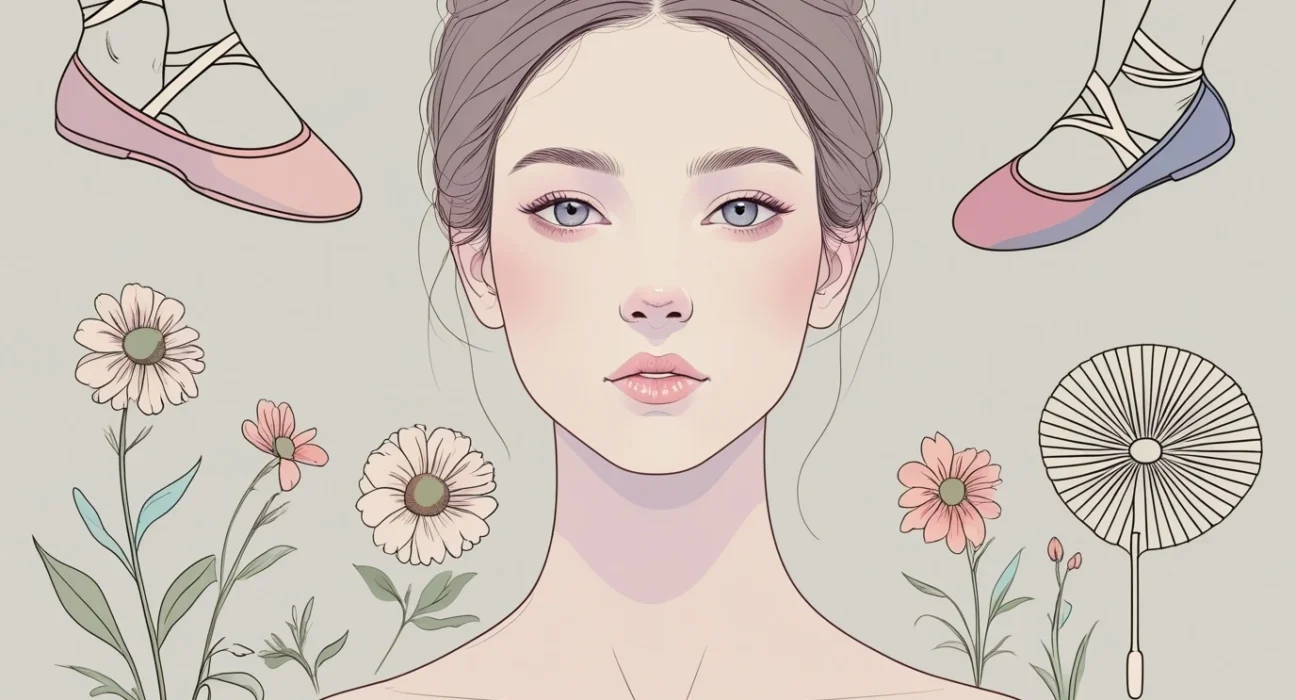
Flora was an extravagantly slender girl, born of delicate bones and disquieting beauty, raised among fallen ballerinas and exiled painters, with a past steeped in faded grandeur and the smudged fingerprints of men. Her mother, Madame Lanskaya, had once pirouetted in soft light on Parisian stages, her fame trailing her like a frayed ribbon. Her father, Adam Lind, was a fashionable photographer who loved boys and eventually killed himself in a hotel room, having first engineered a set of automatic photographs to record his own end. Flora’s early life was marked by motion – Paris, Florence, London – and by an emptiness in the pit of her soul she fed with lovers, cruelty, and indifference.
She spent her girlhood navigating the sleek corridors of dubious villas, dodging the fumbling advances of Hubert H. Hubert, a conjurer of stories and sweat who haunted her like a greasy myth. He told her tales of Daisy, a daughter crushed by a lorry, whose eyelashes Flora shared, whose thighs he imagined into Flora’s own. On feverish afternoons he gifted her chess sets and stroked her shins under the guise of concern, until she screamed and kicked, scattering jam and pawns across the room. Her mother, blind to the truth or perhaps unwilling to see, scolded her daughter and defended the ghost of a man already crumbling.
As adolescence took root, Flora learned her lessons in the shade of pine trees and in the dust of ruined temple steps. At fourteen she lay with a ball boy named Jules on a patch of mint and wildflowers near the Carlton Courts in Cannes, allowing him everything but her mouth. With other schoolmates she bicycled into the woods, played blindman’s buff in the buff, giggled as flesh was measured and exchanged. Her body grew into a symbol, not of ripeness but of abstraction – an unfinished sculpture, the outline of an idea more than a person.
When she returned to Sutton, Massachusetts, she enrolled in college and studied Russian and French with a Japanese girl who painted minuscule crib notes on her hand. Her mother died on the day Flora graduated, collapsing beneath the June sun during the unveiling of a campus fountain. In that moment, a corpulent man in a black suit with small feet and famous thoughts stood behind her, staring at her legs, the golden hair beneath her cap, sensing not death but something far more bewitching.
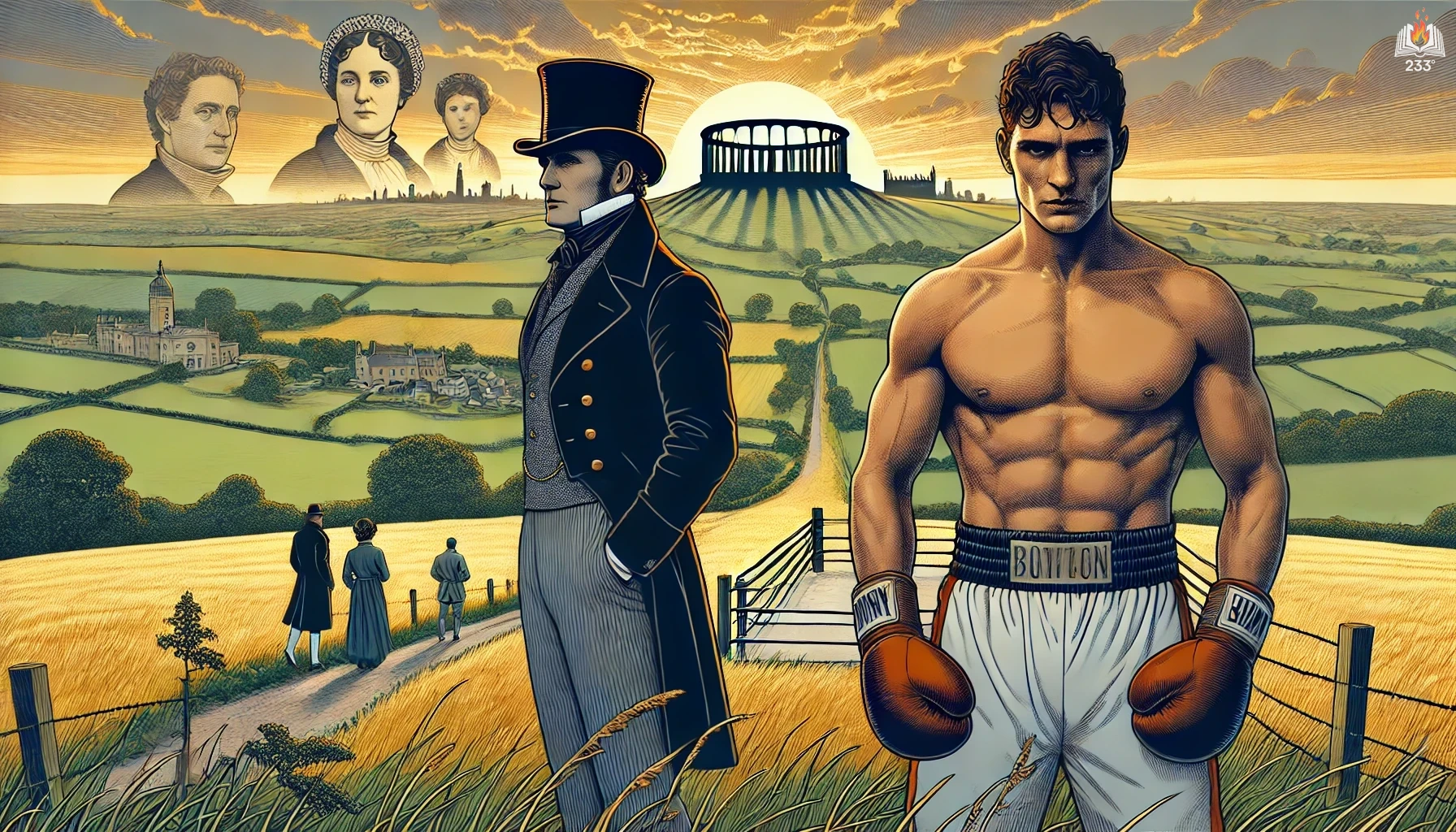
That man was Dr. Philip Wild, neurologist, lecturer, wealthy and grotesquely fat, a man of ideas and ailments. He waddled into her life with a reputation built on science and a voice that cock-a-doodled before his lectures. Flora, by then armed with boutique fans and a curated aura of disdain, married him not for his wit but for his wealth. He bought five fans from her shop – one for each of five imaginary relatives – and thus opened the door to his domesticated misery.
The marriage was a catalogue of contradictions. Flora saw beaches and silk kaftans; Philip saw forbidden foods and outrageous expenses. She wanted luxury, he wanted asceticism. She rearranged furniture and futures; he wept quietly when bills came. Her cruelty was ambient, not deliberate. Her beauty aged, refined by malice, and her indifference turned from defense to habit. She cheated and he noticed only when she lingered too long in his bleak bedroom, playing the loyal wife.
But Philip Wild, trapped in flesh, had a project. Bent on transcendence, he experimented with willpower – not in the metaphorical sense, but literally: he sought to erase his body piece by piece by projecting a chalk-white image of himself on his mental blackboard. He rubbed out his toes first, found pleasure in their imagined dissolution, and soon moved on to feet, genitals, limbs. The ecstasy was profound – not orgasmic, but divine. Pain fled. Ego vanished. With every removal he approached a kind of nirvanic self-obliteration, guided by will alone, no poison, no blade, just thought, discipline, and imagination.
His home, a house of absences and silent corridors, served as the perfect temple. Flora and her servant Cora were elsewhere, entwined with lovers and errands. He lay in a tub with a shaving lamp on his feet and erased them. When he opened his eyes, his toes remained, yet they were numb, unreachable, rotting in sensation. With a childlike awe he crept to bed, peeling flesh from digits as if unwrapping a gift of decay.
At some point, a book entered the scene – My Laura – written by a bitter former lover. Flora was its subject, thinly veiled, and Philip, under the name of Philidor Sauvage, featured as a tragic scientist. The book captured, with maddening precision, the shape of her mouth when toweling herself, the vacant stare of her orgasm, her mannerisms and her myth. Philip read it, enraged and mesmerized, recognizing not only Flora’s betrayal but the manner in which fiction rendered her more truthfully than memory ever could.
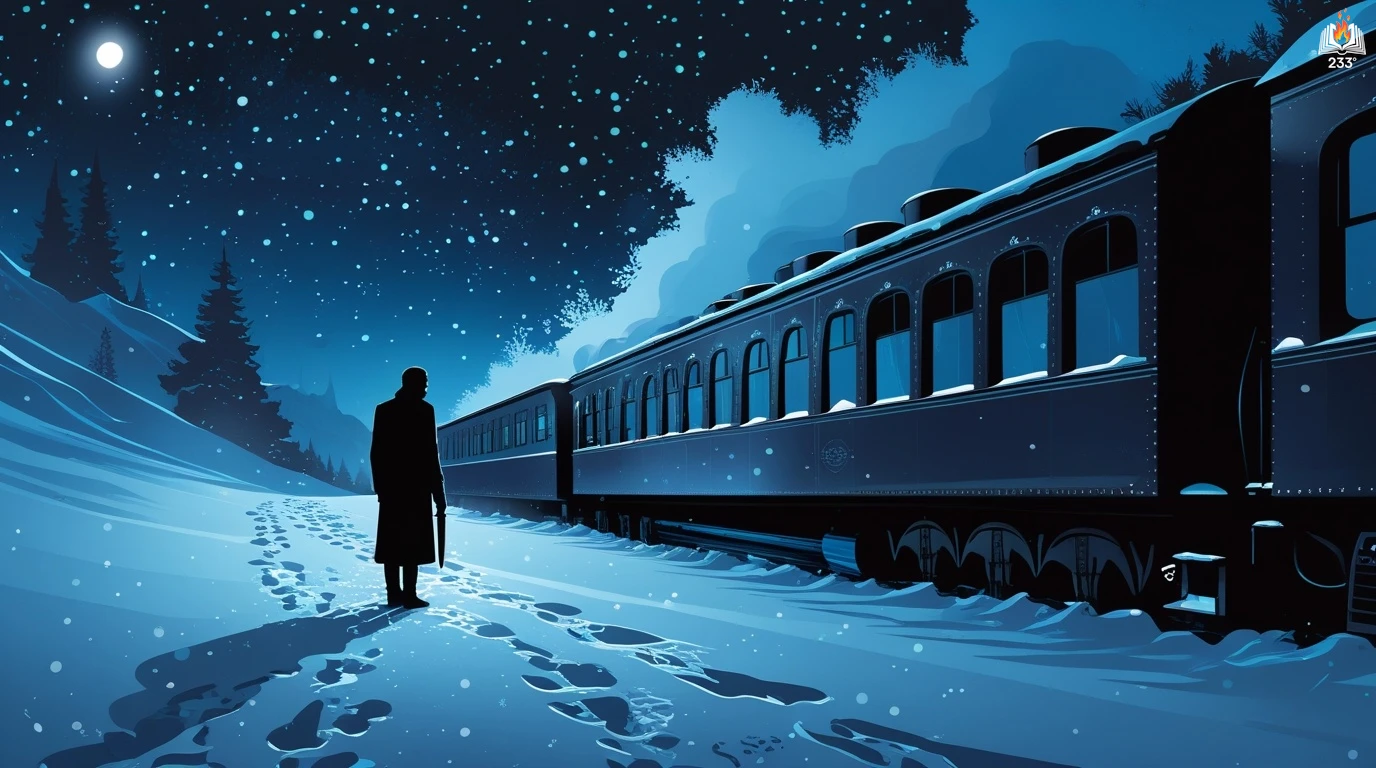
Laura – or Flora – existed now in layers. As girl, as muse, as symbol, and as a shadow inside a bestselling book. She began to fade, and perhaps this was inevitable. In a Swiss resort, waiting for a train, Winny Carr spotted Flora holding a paperback copy of Laura on her lap. Flora had bought it, reluctantly, and resisted opening it. Winny urged her to read – to see her death on the page, the strangest death in the world, a passage so absurd it would provoke laughter. Flora refused, protecting her silence like a relic. She was expecting someone, not a train, not a page.
And elsewhere, perhaps in another time or thought, Philip Wild continued his self-deletion. He imagined the removal of his thighs, the chest, the brain, each obliteration more sensual than the last. He no longer needed suicide – he had discovered an art form grander than death. His flesh became irrelevant, his mind the only landscape worth traversing. And still, somewhere beneath that mental chalkboard, Laura waited, immortal not through love or memory, but through the stroke of fiction – unkillable, unreadable, eternal.
Main Characters
Flora (Laura): The ethereal, self-absorbed young woman at the center of the narrative. Beautiful, detached, and often cruel, she is a figure of desire, suffering, and mystique. Her past is shaped by trauma and abuse, her present by sexual caprice, and her very identity dissolves into the literary work written about her. She is simultaneously a muse, a memory, and an unfinished idea.
Philip Wild: Flora’s corpulent, tormented husband, a renowned neurologist with a morbid obsession with self-deletion. He attempts to will himself out of existence by imagining the erasure of his physical self. Wild is both grotesque and tragic, embodying a tension between intellectual grandeur and physical degradation.
Hubert H. Hubert: A sinister figure in Flora’s early life, who sexually preys on her during her childhood. A clear nod to Lolita’s Humbert Humbert, this character serves as a shadowy echo of Nabokov’s most infamous creation, deepening the theme of violated innocence and cyclic perversion.
Adam Lind and Madame Lanskaya: Flora’s parents, both figures of artistic decay. Her father, a tormented photographer, dies by suicide; her mother, a fading ballerina, is a specter of glamor and failure. Their troubled legacies haunt Flora’s identity and feed her disconnection from herself.
Theme
Mortality and Self-Destruction: At its heart, the novel is a meditation on death – not merely as an end but as an artistic act. Philip Wild’s obsession with erasing himself from existence mirrors the writer’s desire to edit away flaws, suggesting a form of spiritual or metaphysical suicide as creative liberation.
Identity and Dissolution: Flora’s fragmented past and Philip’s methodical self-deconstruction reveal how identity is mutable, illusory, and ultimately unstable. Flora becomes “Laura” in a fictionalized novel within the book, emphasizing how people are often rewritten by others’ perceptions.
Art and Obsession: The act of writing – and rewriting – is portrayed as both a compulsion and a form of possession. Nabokov probes the fine line between artistic devotion and obsession, particularly through Philip’s need to narrate and destroy Flora in fiction.
Sexuality and Power: Flora’s early abuse, promiscuity, and objectification examine how sexual power is wielded and endured. The novel blurs consent, cruelty, and desire, often unsettlingly, to reflect the moral ambiguities of intimacy.
The Unfinished and the Fragmentary: As a work composed on index cards, the novel itself becomes a meta-commentary on incompleteness. It reflects on creation as a never-ending process, with the author’s death becoming a thematic endpoint in itself.
Writing Style and Tone
Nabokov’s style in The Original of Laura is as intricate and dazzling as ever, though tempered by the book’s fragmentary state. His language is densely poetic, layered with double meanings, puns, and images that shimmer with symbolic import. Erotic and grotesque details blend in lyrical, almost hallucinatory prose. The text shifts effortlessly between psychological realism and surreal abstraction, as if the narrative is constantly slipping through the fingers of form.
The tone is by turns sardonic, tragic, and darkly comic. Nabokov oscillates between mordant irony and lyrical melancholy, particularly in his depiction of Philip Wild’s self-effacing rituals and Flora’s icy detachment. Beneath the clinical brilliance of his prose lies a palpable sense of despair – not just artistic, but existential. There is the impression of a master stylist wrestling not only with the imperfections of a novel but also with the specter of mortality. The writing’s very incompletion becomes its final, chilling flourish.
Quotes
The Original of Laura – Vladimir Nabokov (2009) Quotes
“What can be sadder than a discouraged artist dying not from his own commonplace maladies, but from the cancer of oblivion?”
“It’s tempting, emptiness.”
“The cup-sized breasts of that twenty-four year old impatient beauty seemed a dozen years younger than she, with those pale squinty nipples and firm form.”
“Finally it gave up- as some day life will give up- bothering me.”
We hope this summary has sparked your interest and would appreciate you following Celsius 233 on social media:
There’s a treasure trove of other fascinating book summaries waiting for you. Check out our collection of stories that inspire, thrill, and provoke thought, just like this one by checking out the Book Shelf or the Library
Remember, while our summaries capture the essence, they can never replace the full experience of reading the book. If this summary intrigued you, consider diving into the complete story – buy the book and immerse yourself in the author’s original work.
If you want to request a book summary, click here.
When Saurabh is not working/watching football/reading books/traveling, you can reach him via Twitter/X, LinkedIn, or Threads
Restart reading!