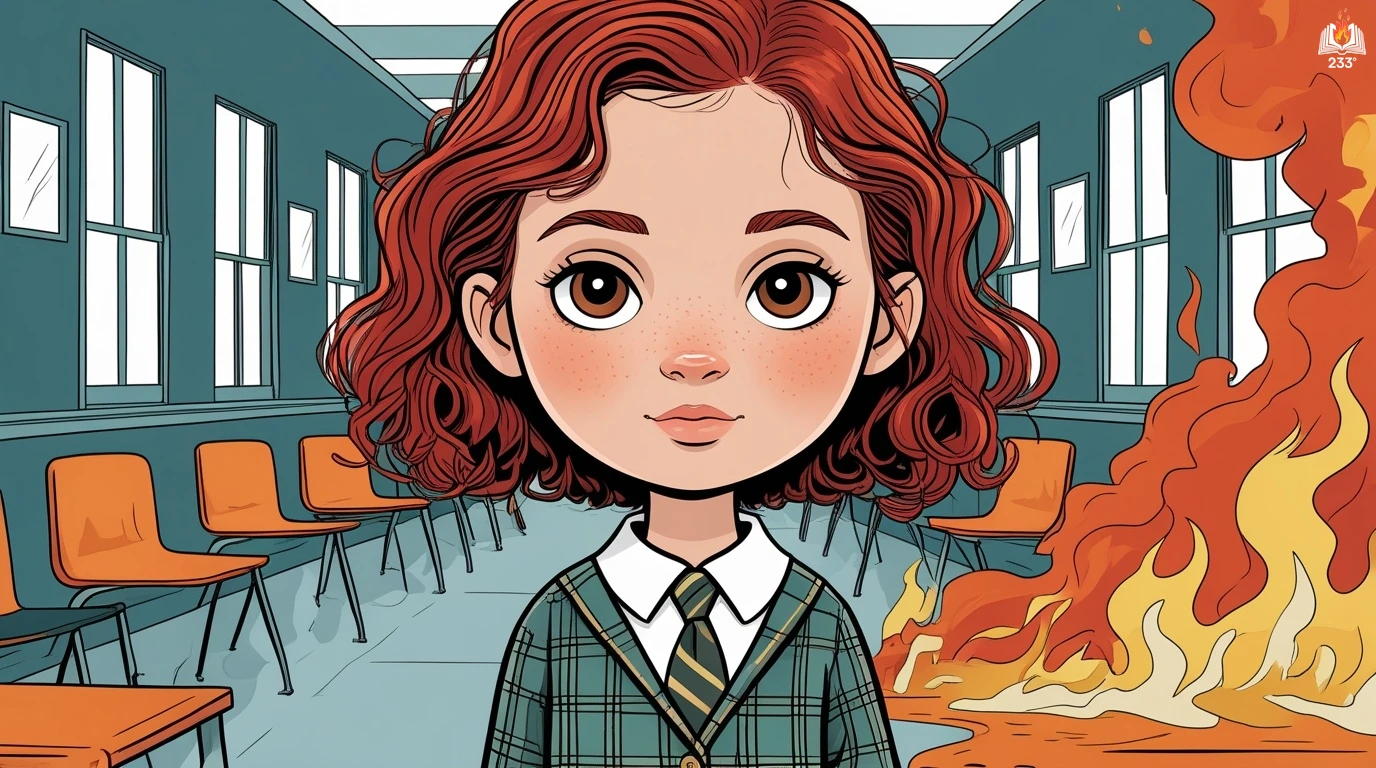
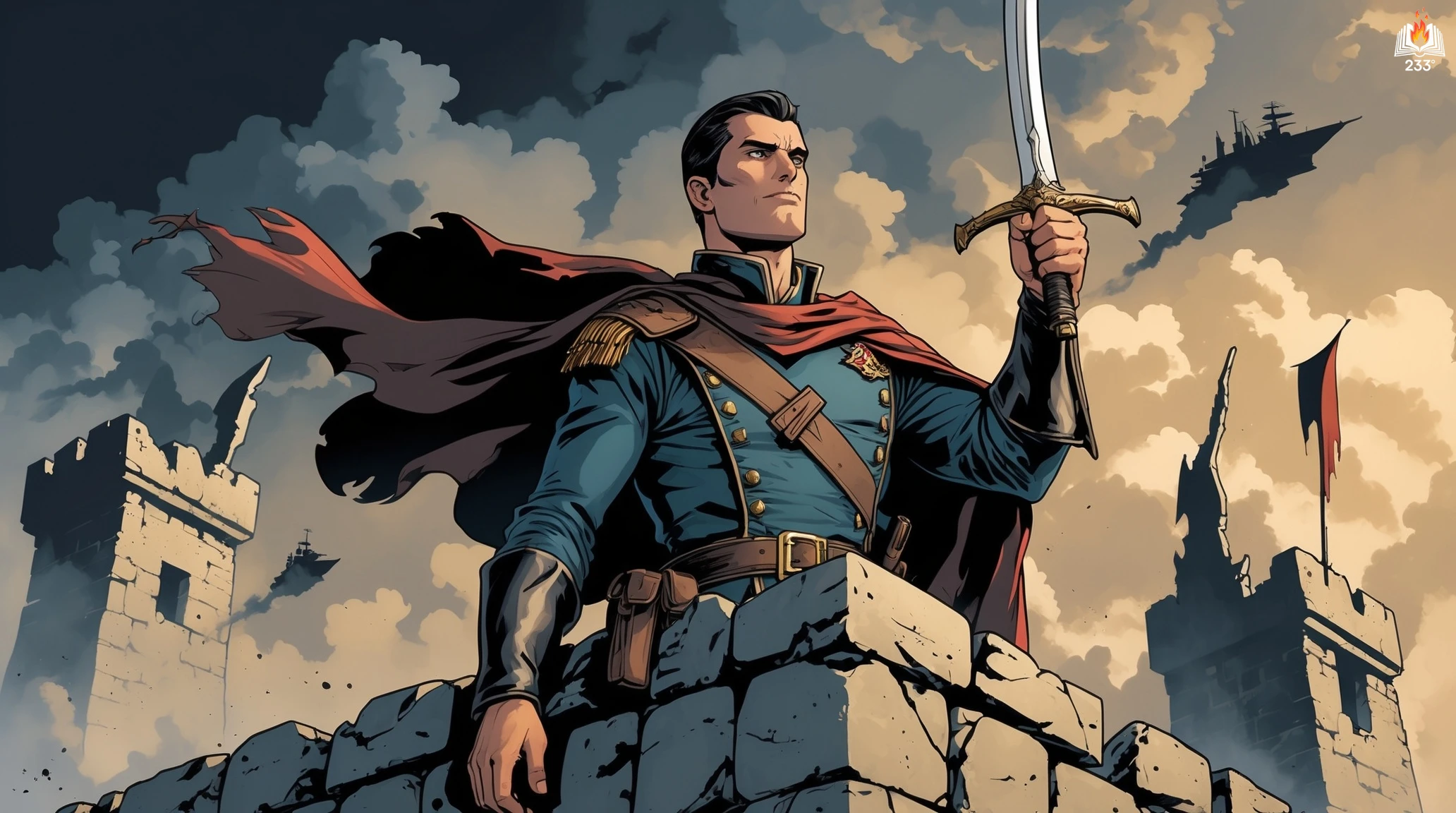
“Raising Steam” by Terry Pratchett, published in 2013, is the penultimate novel in the renowned Discworld series. It introduces the marvel of the steam engine to the fantasy metropolis of Ankh-Morpork, setting off a cascade of technological, political, and social transformations. The invention of the railway, crafted by the brilliant yet eccentric young engineer Dick Simnel, becomes the engine of change in a world teeming with dwarfs, trolls, goblins, and scheming humans. With Lord Vetinari overseeing stability and Moist von Lipwig tasked with navigating the upheaval, Pratchett weaves a rich narrative that humorously and poignantly reflects on progress and tradition.
Plot Summary
Steam was rising, not just from boilers and pistons but from the very bones of the Discworld. Deep in the heart of Sheepridge, a young man named Dick Simnel, son of a smith consumed by his own experimentations with steam, had grown up with a promise etched in iron: to master steam and tame it for the good of all. Through books, blueprints, and brute perseverance, he gave birth to Iron Girder, the first locomotive, a steel beast singing with power and precision.
Iron Girder wasn’t merely a machine; it was a statement, a revolution in motion. Word of the invention, along with its creator, soon traveled to Ankh-Morpork, a city already bustling with alchemical accidents and civic ambition. Enter Moist von Lipwig – conman turned civil servant, master of the Post Office, the Mint, and the Bank, and now, courtesy of Lord Vetinari’s impeccably polite coercion, the unofficial Minister of Railways. Moist, who preferred quick words to heavy lifting, found himself embroiled in the very heart of the industrial age.
The railway, born of brass, steel, and grease, became the symbol of a new age. Sir Harry King, the sanitation baron known as the King of the Golden River, smelled opportunity in the steam and threw his weight – and considerable wealth – behind Simnel’s dream. Iron Girder began her rounds within the compound, a thunderous mechanical ballet that drew gawking crowds, goblin tinkerers, and hopeful entrepreneurs.
But not all welcomed the clang of progress. Deep beneath the mountains of Uberwald, some dwarfs whispered angrily in the dark. The grags, fundamentalist keepers of ancient dwarf tradition, stirred unrest. To them, the railway was not a marvel but a menace – an abomination of modernity that threatened the sanctity of stone and silence. Led by Ardent, the most fanatical of the grags, a conspiracy brewed to disrupt the unity that progress demanded.
The Low King Rhys Rhysson, enlightened and cautious, saw potential in the railway to link dwarfs across mines and mountains, to bring distant kin together, and to steer dwarfkind toward a brighter horizon. Vetinari, always three moves ahead, sought to use the iron road to weave peace across the Disc, to tie troll, dwarf, goblin, and man in the bonds of commerce and cooperation. Yet, beneath every tie laid and every spike driven, the tension smoldered.
With the railway’s path set to pierce through disputed territories and sacred dwarf strongholds, Moist became the unlikely emissary of diplomacy. Smooth-tongued and quick-footed, he darted through political minefields, negotiated with recalcitrant rulers, and made sure the grease of gold kept the wheels turning. Alongside him rode freedom and peril, as sabotage, bombings, and whispered threats followed every new stretch of track.
Goblin workers, once considered vermin, now soared up clacks towers and delved into boiler rooms, finding purpose in the cogs and gears. Their sharp eyes, nimble fingers, and innate knack for mechanisms made them indispensable. Adora Belle Dearheart, Moist’s wife and the iron-willed overseer of the clacks network, championed their cause and stood firm against those who would relegate them to the shadows. The world was changing, and it wasn’t asking permission.
As Iron Girder’s rails reached toward Uberwald, bringing with it the promise of connectedness, the resistance reached fever pitch. The grags, blinded by zeal, launched a final act of terror – an attempt to derail not just a train but the very ideal it represented. It fell to Moist, aided by the gruff yet righteous Bashfull Bashfullsson, to outwit the plotters, save lives, and show that the railway could bridge more than just distance.
In the shadowed tunnels of Schmaltzberg, Magnus Magnusson, a young dwarf Scout from Ankh-Morpork, found himself hunted for wearing his helmet backward – a symbol of his embrace of modern ideas. Rescued by Bashfullsson, Magnus’s journey mirrored the wider struggle – the clash between the stone-bound past and the chuffing, clanking, fire-breathing future.
As the inaugural train prepared for its grand voyage from Ankh-Morpork to Uberwald, tensions simmered like water in a sealed boiler. But when Iron Girder pulled out of the station, smoke curling like a banner of peace, she carried not just dignitaries and engineers, but hope. Crowds lined the route, eyes wide with wonder, waving as the miracle passed by.
Through storms and sabotage, over bridges hastily constructed by goblins who made art out of urgency, Iron Girder reached her destination. The sight of dwarfs, trolls, and humans standing together to watch her arrival became the moment history pivoted upon. The Low King stepped onto the platform, and with him, a future once only dreamed of became steel-bound reality.
There was no proclamation, no trumpet blast. Just the hiss of steam, the hum of anticipation, and the knowledge that from that day forward, the world would no longer move at the pace of horses. The iron road stretched on, endless and gleaming, carrying with it the courage to change and the will to unite. And far behind, in the soot-streaked yards of Ankh-Morpork, goblin fingers tightened the last bolt on the next engine, already impatient to meet the dawn.
Main Characters
Moist von Lipwig – A charming conman-turned-government official, Moist thrives on challenge and chaos. As the head of several public institutions, he is reluctantly pulled into the effort to bring rail travel to Discworld. His journey is one of moral growth, as he balances public service with personal flair.
Dick Simnel – The prodigious young inventor of the steam engine, Simnel is a blend of Yorkshire grit and genius. Driven by a promise to his late father, he is determined to master steam and bring about an industrial revolution with his locomotive, Iron Girder.
Lord Vetinari – The Patrician of Ankh-Morpork, Vetinari is the calculating and inscrutable ruler whose main concern is maintaining order. With subtle manipulations, he steers events to ensure that progress does not unravel the fabric of society.
Adora Belle Dearheart – Moist’s wife and the formidable head of the clacks (telegraph system), Adora Belle is sharp, fierce, and fiercely independent. Her role underscores the integration of modernity and tradition, especially through her championing of goblin rights.
Sir Harry King – Once a sanitation magnate known as the “King of the Golden River,” Harry becomes a key investor in the railway, showcasing how old industries can evolve into new ventures when guided by ambition and vision.
The Grags – Radical dwarfs who oppose progress and cling to old ways. Their extremist actions introduce significant conflict and challenge the ideals of tolerance and modernity.
Theme
Progress vs. Tradition – Central to the novel is the tension between innovation and entrenched customs. The steam engine becomes a symbol of inevitable change, disrupting societal norms and provoking resistance.
Social Integration – Through the inclusion and advancement of goblins, Pratchett explores themes of equality and recognition. The narrative argues for the value of all beings and the need to include marginalized voices in progress.
Power and Responsibility – Characters like Vetinari and Moist grapple with how to wield influence wisely. The story examines leadership, decision-making, and the burdens that come with guiding societal change.
Faith and Dogma – The conflict among dwarfs, especially the radical Grags, highlights the dangers of religious orthodoxy and the struggle within communities to adapt to a changing world.
Industrialization – The coming of the railway is not just a technological leap but a catalyst for economic, social, and philosophical upheaval. Pratchett uses it to reflect on the real-world Industrial Revolution with wit and insight.
Writing Style and Tone
Terry Pratchett’s prose in Raising Steam is marked by its trademark wit, sharp satire, and richly textured language. He crafts intricate sentences loaded with irony, wordplay, and philosophical undertones. The narrative voice is omniscient, offering sweeping insights into multiple characters’ thoughts and the broader societal shifts at play. His mastery lies in balancing humor with profound commentary, making complex themes accessible through levity and absurdity.
The tone shifts seamlessly between the comedic and the contemplative. While much of the book is infused with light-hearted banter and farcical elements, there are undercurrents of seriousness, especially in scenes addressing extremism, societal reform, and mortality. Pratchett’s compassion for his characters and skepticism of blind tradition imbue the novel with both warmth and urgency. It is a tone that encourages both laughter and reflection – a hallmark of the Discworld series at its best.
Quotes
Raising Steam – Terry Pratchett (2013) Quotes
“In Ankh-Morpork you can be whoever you want to be and sometimes people laugh and sometimes they clap, and mostly and beautifully, they don't really care.”
“The commander went, as they say in Ankh-Morpork, totally Librarian on them.”
“That's the trouble, you see. When you've had hatred on your tongue for such a long time, you don't know how to spit it out.”
“We can't just drop everything, sir!" "Mister Lipwig. Is there something in the word 'tyrant' you do not understand?”
“I have to ask, sir...Why does it have to be done like this?" Vetinari smiled. "Can you keep a secret, Mister Lipwig?" "Oh, yes, sir. I've kept lots." "Capital. And the point is, so can I. You do not need to know.”
“The aristocrats, if such they could be called, generally hated the whole concept of the train on the basis that it would encourage the lower classes to move about and not always be available.”
“Bandits and governments 'ave so much in common that they might be interchangeable anywhere in the world...”
“Moist groaned. It was the crack of seven and he was allergic to the concept of two seven o'clocks in one day.”
“I see embarrassment among all of you. That's good. The thing about being embarrassed is that sooner or later you aren't, but you remember that you were.”
“The grags came down heavily on those who did not conform and seemed not to realize that this was like stamping potatoes into the mud to stop them growing.”
“Mister Lipwig, the world lives between those who say it cannot be done and those who say that it can. And in my experience, those who say that it can be done are usually telling the truth. It's just a matter of thinking creatively.”
“Anger was a weapon to be honed and treasured and used only at the moment yielding most premium.”
“Everything is magic when you don’t know what it is. Your sliding rule is a magic wand to most people.”
“Everybody present laughed nervously, except Lord Vetinari, who just laughed.”
“New things, new ideas arrived and strutted their stuff and were vilified by some and then lo! that which had been a monster was suddenly totally important to the world.”
“Uncertainty is always uncertain, but the difficulty with people who rely on systems is that they begin to believe that nearly everything is in some way a system and therefore, sooner or later, they become bureaucrats.”
“people went looking to find themselves and what they found was somebody else.”
“the queen appeared as innocent as one of those mountains which smoke a little, and then one day end up causing a whole civilization to become an art installation”
“...the world kept turning and the Turtle moved.”
“There was always something that you had to do before you could do the thing you wanted to do and even then you might get it wrong.”
“Vetinari gave him a look that did not actually employ a raised eyebrow but which implied that one might be forthcoming if the recipient of the look pushed his luck.”
“here is the new thing and here it is. And yesterday you never thought about it and after today you don’t know what you would do without it. That was what the technology was doing. It was your slave but, in a sense, it might be the other way round.”
“It is impossible to accommodate everyone and twice as impossible to please all the dwarfs.”
“Don’t force me to draw my own conclusions. I do have a very big pencil.”
“It was like ... like wizardry, but without the wizards and the mess.”
“... once you have a dream you've got somewhere closer to a reality.”
“All it takes is for people to believe and I am no longer just an artefact put together by clever engineers. I am an idea, a something made of nothing, whose time has come to be. Some may even call me "Goddess”
“This was, after all, Ankh-Morpork, where a man walked free even if he was not, strictly speaking, a man.”
We hope this summary has sparked your interest and would appreciate you following Celsius 233 on social media:
There’s a treasure trove of other fascinating book summaries waiting for you. Check out our collection of stories that inspire, thrill, and provoke thought, just like this one by checking out the Book Shelf or the Library
Remember, while our summaries capture the essence, they can never replace the full experience of reading the book. If this summary intrigued you, consider diving into the complete story – buy the book and immerse yourself in the author’s original work.
If you want to request a book summary, click here.
When Saurabh is not working/watching football/reading books/traveling, you can reach him via Twitter/X, LinkedIn, or Threads
Restart reading!