The Near Witch by V.E. Schwab, published in 2011, is a dark, atmospheric tale that blends folklore, mystery, and magic. Set in the quiet, insular village of Near, the story follows a girl named Lexi Harris as she becomes entangled in a haunting tale of whispers on the wind, missing children, and a long-buried witch. This book marked Schwab’s debut into the world of publishing and showcases many of the themes and stylistic elements that would come to define her later works.
Plot Summary
In the quiet village of Near, where the moor breathes like a living thing and the wind carries more than just the chill of dusk, there are no strangers. Every face has been known a thousand times, every house rooted in the same earth for generations. Yet one night, a figure appears at the edge of the moor – a boy, smudged at the edges, eyes dark as river stones and shimmering with sorrow. He stands still, drawn thin by the wind, and then disappears like mist under moonlight. His arrival is swift, silent, and strange – and it stirs the village from its slumber.
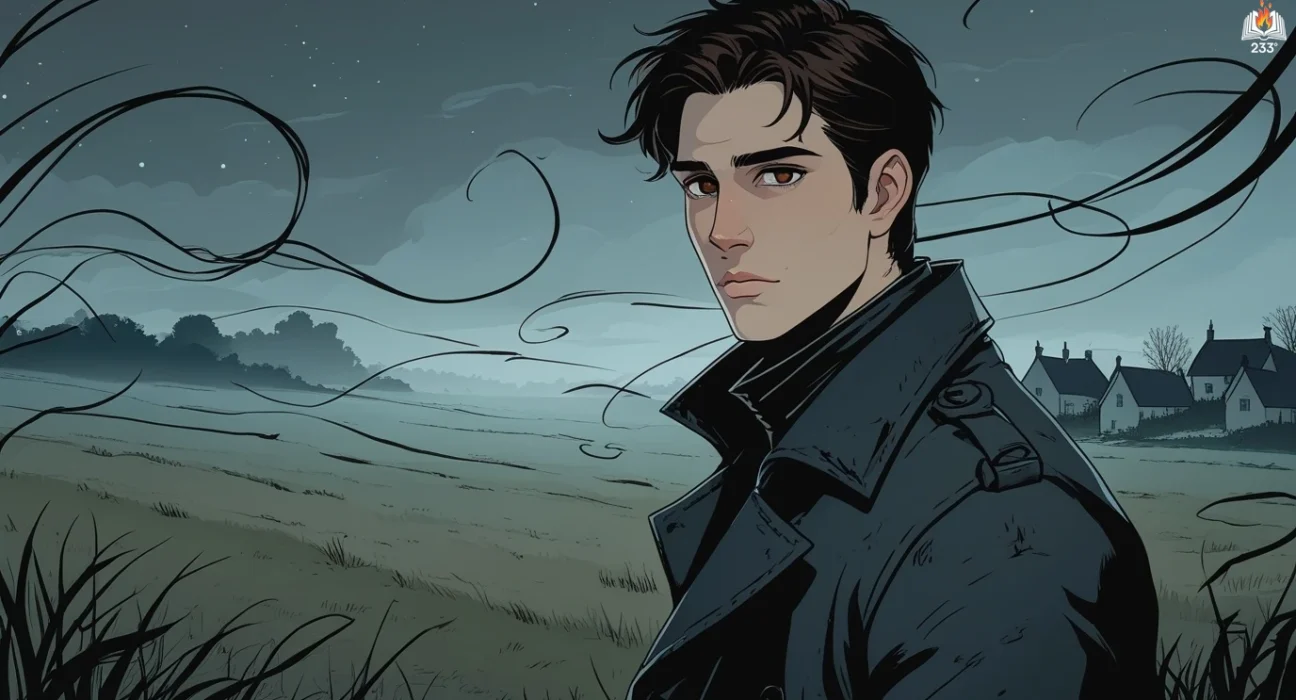
Lexi Harris lives on the outskirts of Near, beside the ever-whispering moor. With her father’s hunting knife at her side and a restless fire in her chest, she walks a line no other girl dares – between the expected and the unknown. She tells her little sister, Wren, bedtime tales of the Near Witch, who sang to the hills and was cast out long ago. But those were just stories. Until the whispers return.
When children begin to vanish from their beds without trace or struggle, fear settles over Near like fog. The villagers murmur of omens and curses, their eyes darting toward the moor, their backs turned toward the truth. Lexi knows the moor well, knows the rhythm of the wind, and knows something is not right. And she remembers the boy in the night.
The stranger’s presence becomes a cause for suspicion. He is nameless, homeless, and alone. Most in Near do not ask questions – they assume. But Lexi wants answers. She traces his path along the boundary between village and moor, where the wind is strongest and the legends thickest. She finds him sheltered by the Thorne sisters, two reclusive witches as old as the hills, feared by villagers but known to Lexi since childhood. Their home, crooked and wind-worn, holds secrets – and within it, the boy hides, chased by ghosts of his past.
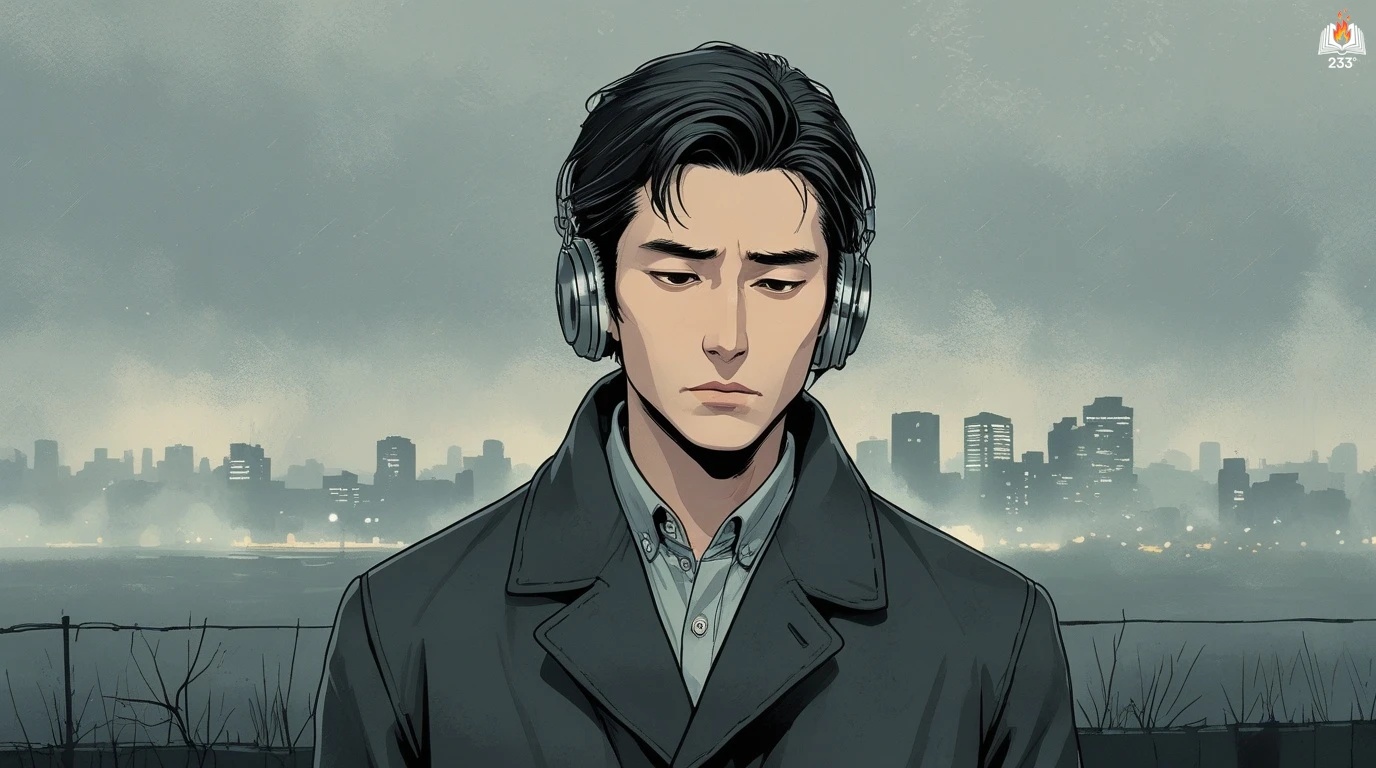
His name is Cole. He sees what others cannot. He hears voices carried by wind and shadow. He confesses to Lexi that he has been hunted before, always misunderstood, always fleeing from towns that blamed him for things he could not control. In Near, he has found no sanctuary. Only a girl with eyes wide enough to see truth through the veil of fear.
As more children vanish into the moor, the villagers grow restless and afraid. They turn their eyes to the stranger and raise their voices in judgment. Otto, Lexi’s uncle and the village Protector, begins to tighten his hold on her, forbidding her from leaving home, silencing her questions. But Lexi cannot be still. The wind carries voices at night, and it calls to her sister as it once called to the vanished. She watches Wren nearly slip into the arms of the night, her eyes vacant, her hand on the window. Something is reaching through the dark.
With the help of the Thorne sisters, Lexi unearths the truth buried beneath layers of forgotten tales. The Near Witch was not a monster, but a woman who communed with the land, who sang lullabies to the earth. When a child went missing long ago, the village needed someone to blame, and she was cast out onto the moor to die. But the wind never forgets. Neither does the wronged.
The wind’s song is no lullaby now. It is a siren’s pull, calling children from their beds, luring them into the moor with promises wrapped in melody. Lexi listens to the voice with care, using only the edges of her ears, just as her father once warned. She begins to understand its rhythm, its hunger, and the shadow beneath it. The Near Witch, long believed dead, has not vanished entirely. Her spirit, shaped by rage and sorrow, rides the wind, seeking what was stolen from her – vengeance, and perhaps a child to replace the one taken long ago.
Lexi and Cole, bound by understanding and urgency, work in secret to break the witch’s hold. They search the moor by night, tracing the echo of wind-song and the footprints that vanish in dew. Each search draws them closer to danger, and each whisper chips away at Lexi’s resolve. But she will not let Wren be taken. She will not let the witch have another.
The villagers, blinded by fear, finally act. They chase the stranger, torch in hand, ready to burn away the unknown. Lexi stands between them and Cole, her voice cutting through the storm. She pleads for truth over fear, memory over myth. But the wind howls louder.
When Wren disappears into the night, Lexi follows, heart thundering, boots sinking into moorland. She knows now that only she can confront the Near Witch, only she can end the song. Guided by the moor’s secrets and the whispers of her father’s teachings, she faces the remnants of the witch’s power. She does not meet rage with rage, but sorrow with understanding. She speaks not in curses, but in kindness – offering remembrance in place of revenge.
The wind shifts.
Children wake in the grass, dazed but unharmed. Wren stirs, her fingers curled around a flower. The moor exhales. And the song fades.
Cole, still a stranger to the town, prepares to leave. But Lexi, now a girl of action and voice, asks him to stay. The village may never understand what happened beneath their silence, but she does. She has walked the moor, sung to the wind, and seen truth beyond the veil. In the quiet that follows, Near returns to its rhythm. But the moor still sings, softly now, like breath against glass. And Lexi listens – just at the edges.
Main Characters
Lexi Harris – The brave and determined protagonist, Lexi is a young woman who defies the societal expectations of her small, patriarchal village. Fiercely independent and instinctively curious, Lexi carries the fire of her late father’s hunting spirit, often challenging traditional gender roles by wearing boots, wielding a knife, and seeking truth in places others fear. Her arc centers on her evolution from a constrained girl into an empowered force willing to stand against her community to protect the truth and those she loves.
Cole (the Stranger) – A mysterious, nearly spectral figure who appears at the edge of Near just as children begin to vanish. Cole is haunted by his own tragic past, marked by grief and guilt, and his quiet, enigmatic demeanor masks deep emotional wounds. As his relationship with Lexi deepens, he becomes a symbol of both vulnerability and resilience, and a crucial ally in her quest for answers.
Wren Harris – Lexi’s younger sister, Wren is innocent, playful, and emotionally perceptive. Her strong bond with Lexi is a recurring emotional anchor in the narrative. She represents the fragility of childhood and becomes a poignant reminder of what is at stake when the children of Near begin to disappear.
Otto Harris – Lexi’s stern and traditional uncle, Otto has assumed the role of village Protector after Lexi’s father’s death. He is emblematic of the town’s rigid norms and serves as an antagonistic force to Lexi’s independence and inquiries, embodying fear-driven authority and resistance to change.
Magda and Dreska Thorne – The reclusive sisters who live on the edge of Near, they are both feared and avoided by the villagers due to their reputation as witches. Wise, eerie, and cryptically nurturing, they assist Lexi in navigating the mysteries of the moor and the long-forgotten legend of the Near Witch.
Theme
Fear and Folklore: Central to the novel is how fear is propagated through folklore and how myths are used to control behavior. The legend of the Near Witch becomes a tool of fear and repression, especially toward those who are different. This theme critiques the dangers of blind belief and the manipulation of truth.
Gender and Defiance: Lexi’s struggle against the roles imposed on her as a girl in Near underlines the theme of gender expectation. Her journey is one of self-assertion, where she fights not just external threats but societal norms that seek to silence and limit her.
Memory and Forgetting: The village of Near is steeped in selective memory, having conveniently forgotten the truths about the Near Witch and buried uncomfortable histories. This motif explores the idea that willful ignorance and denial of the past can have dangerous consequences.
Nature and the Wind: The ever-present moor and its haunting wind serve as both setting and character. The wind whispers stories, lures children, and carries the voice of the Near Witch. It represents both magic and menace – a force indifferent to human control, echoing the untamable quality of truth.
Isolation and Connection: Cole’s character illustrates the pain of isolation—both physical and emotional—and the healing potential of human connection. Lexi’s bond with him, as well as her relationship with Wren and the Thorne sisters, contrasts with the alienation perpetuated by the town’s collective fear.
Writing Style and Tone
V.E. Schwab’s prose in The Near Witch is lyrical and evocative, steeped in a sense of gothic romanticism. Her language flows with poetic rhythm, often echoing the natural elements she writes about, particularly the wind. Sentences are laced with sensory details that bring the moorland setting vividly to life – every whisper of grass, murmur of trees, and swirl of wind is rendered with aching beauty. Schwab crafts her scenes with atmosphere in mind, leaning heavily into the mysterious and the ethereal, making even the mundane seem magical.
The tone of the novel is haunting, melancholic, and quietly defiant. Schwab balances an undercurrent of suspense with emotional vulnerability. She doesn’t shout the novel’s feminist and moral themes; rather, they pulse quietly beneath Lexi’s thoughts and actions. This understated delivery, paired with the ominous setting, imbues the book with a quiet tension that rises steadily as the story unfolds. The tone shifts elegantly between soft, intimate moments and stark, chilling confrontations, maintaining a dreamlike cadence throughout.
Quotes
The Near Witch – VE Schwab (2011) Quotes
“Maybe one day the words will pour out like so many others, easy and smooth and on their own. Right now they take pieces of me with them.”
“Magda looks at me as if I've gone mad. Or I've grown up. It's kind of the same thing.”
“The wind took hold of whatever I felt, and ran away with it.”
“Fear is a strange thing,” he used to say. “It has the power to make people close their eyes, turn away. Nothing good grows out of fear.”
“Everything seems different at night. Defined. Beyond the window, the world is full of shadows, all pressed together in harsh relief, somehow sharper than they ever were in daylight. Sounds seem sharper,too, at night. A whistle. A crack. A child's whisper.”
“I feel connected to you, and I couldn't bear the thought of that being severed. Lost.”
“Funny how when we start to tell a secret, we can’t stop. Something falls open in us, and the sheer momentum of letting go pushes us on.”
“You really are like him, your father." "I can't tell whether you think that's good or bad." "What does it matter? It's simply true.”
“Properly buried." "Properly kept." "That is the way with witches." "And with all things.”
“The morning is a stealthy hunter, my father used to say. It sneaks up quiet and quick on the night and overtakes it.”
“Well," I ask, leaning over him, "do you wish to stay?" "I do." "And why is that, Cole?" I say, tipping toward him so that our noses nearly brush. "Well," he says with a smile, "the weather's quite nice.”
“The wind is lonely, love, and always looking for company.”
“Her bare feet land with light thuds like rain on stones.”
“The wind on the moors will always be a tricky thing. It bends its voice and casts it into any shape, long and thin enough to slide beneath the door, stout enough to seem a thing of weight and breath and bone.”
“Sometimes people need something—someone—to blame. It gives them peace until they can find the real answers.”
“Fear is a strange thing. It has the power to make people close their eyes, turn away. Nothing good grows out of fear.”
“When I was small, the wind sang me lullabies. Lilting, humming, high-pitched things, filling the space around me so that even when all seemed quiet, it wasn’t. This is a wind I have lived with.”
“If the moor wind ever sings, you mustn’t listen, not with all of your ears. Use only the edges. Listen the way you’d look out the corners of your eyes. The wind is lonely, and always looking for company.”
“All bad news might spread like fire, but when it takes you by surprise it's sharp and hot, gobbling everything up so fast you never have a chance. When you're waiting for it, it's even worse. It's the smoke, filling the room so slow you can watch it steal the air from you.”
“The witch's words rage in my ears, "Don't you dare disturb my garden.”
“Being a stranger is not a crime.”
“My father taught me how to track, how to read the ground and the trees. He taught me that everything has a language, that if you knew the language, you could make the world talk. The grass and the dirt hold secrets, he’d say. The wind and the water carry stories and warnings.”
“The wind was here when you were born, when I was born, when our house was built, when the Council was formed, and even when the Near Witch lived,”
“My father used to say that change is like a garden. It doesn’t come up overnight, unless you are a witch. Things have to be planted and tended, and most of all, the ground has to be right.”
“if the moor wind ever sings, you mustn't listen, not with all of your ears. use only the edges. listen the way you'd look out the corners of your eyes. this wind is lonely, and always looking for company.”
“My father used to say that change is like a garden. It doesn't come up overnight, unless you are a witch. Things have to be planted and tended, and most of all, the ground has to be right.”
We hope this summary has sparked your interest and would appreciate you following Celsius 233 on social media:
There’s a treasure trove of other fascinating book summaries waiting for you. Check out our collection of stories that inspire, thrill, and provoke thought, just like this one by checking out the Book Shelf or the Library
Remember, while our summaries capture the essence, they can never replace the full experience of reading the book. If this summary intrigued you, consider diving into the complete story – buy the book and immerse yourself in the author’s original work.
If you want to request a book summary, click here.
When Saurabh is not working/watching football/reading books/traveling, you can reach him via Twitter/X, LinkedIn, or Threads
Restart reading!