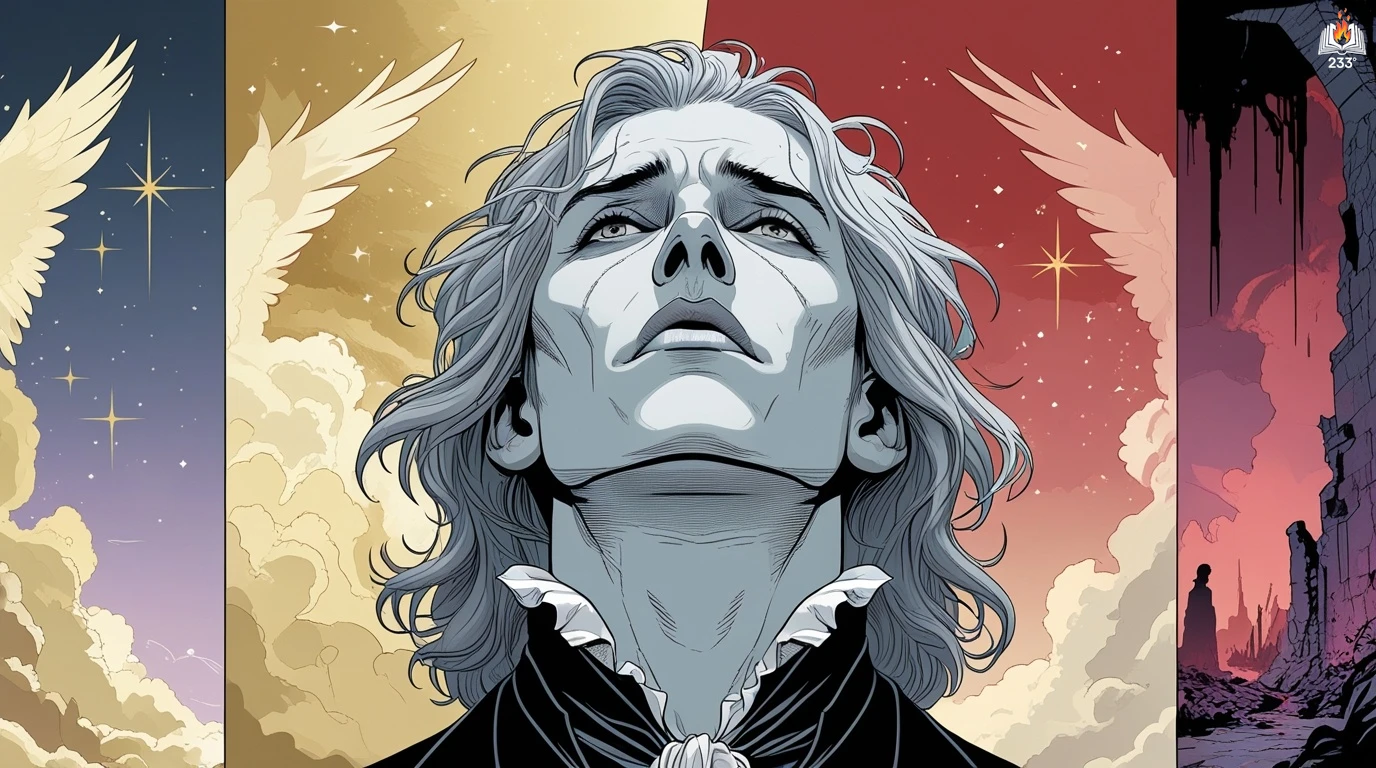

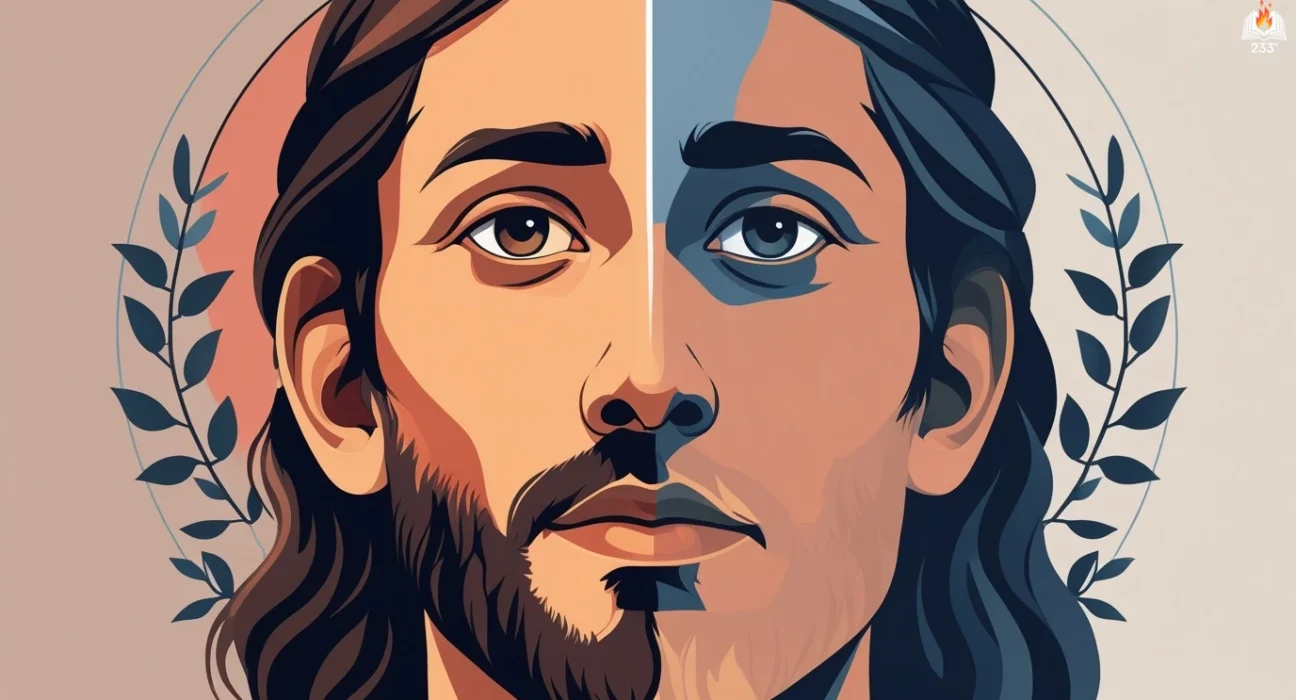
The Road to Cana by Anne Rice, published in 2008, is the second novel in her Christ the Lord series. In this intimate and reverent retelling, Rice explores the lost years of Jesus Christ’s life just before he begins his public ministry. Set against the backdrop of first-century Galilee, the novel delves into the emotional, spiritual, and social complexities of Jesus—here called Yeshua—as he grapples with his divine identity, personal desires, and the human cost of his calling. With meticulous historical detail and lyrical prose, Rice reimagines the inner world of the man who would become Christ.
Plot Summary
In the quiet town of Nazareth, a man named Yeshua lives among his extended family in a ten-room home filled with carpenters, children, and the slow rhythm of daily life. The winter has been long and dry, the earth thirsty for rain, and the sky withholding its mercy. Though he labors with his hands, Yeshua’s heart and thoughts are elsewhere. His dreams are haunted by the image of a woman – sometimes unnamed, sometimes Avigail, the beautiful young girl of Nazareth whose father guards her fiercely. Desire flickers and fades, and he walks the cold streets by starlight, aching for something neither fully human nor fully divine.
His brother James, older and burdened with leadership, presses Yeshua to take a wife, reminding him that he is no longer young. The village watches. Two other unmarried men his age are seen as broken – one crippled, the other a fool. Yeshua, the Sinless, is a mystery. The expectations of others press heavily, but he resists the role they assign to him. Within, there is a deeper calling, something vast and quiet that pulls him away from the world’s demands.
One morning, violence cracks open the fragile peace. A mob gathers outside the synagogue, dragging two boys accused of unspeakable sin – Yitra, the pride of his family, and the Orphan, brother to Silent Hannah. No witnesses come forward, but fear and rage rule the moment. Stones are thrown. By the time the cries have ceased, the boys lie still beneath a mound of bloodied rock, their arms still around one another in a final, protective embrace.
Yeshua, helpless to stop it, carries the weight of their deaths in his soul. The village recoils, ashamed and silent, as the boys’ families prepare to leave. Yeshua and his father Joseph visit Nahom and Yitra’s mother, who trembles with grief but offers a mantle for Silent Hannah. In the household of women, Hannah waits for news of her brother, and Yeshua must find the gestures to explain what words cannot. Her face collapses with sorrow, her mouth unleashing a wordless cry that splits the air, a sound of pure anguish. Avigail, too, weeps. The two young women hold one another, the grief of one becoming the comfort of the other.
As time passes, life returns to a pattern, though it is colored by grief and unease. Yeshua seeks solitude in an ancient olive grove outside the town, a place where ivy curls around hollow trees and silence offers brief relief. There he feels the nearness of Heaven, though its voice remains distant. The world outside teeters on the edge of unrest. Pontius Pilate, the new Roman governor, prepares to enter Jerusalem with ensigns that threaten sacrilege. Rumors swirl of his arrogance, of brigands stealing in the night, of a cursed winter with no end in sight.
Among those closest to Yeshua is Jason, a friend, a scholar, a restless spirit once drawn to the Essenes. He is eloquent, conflicted, and harboring a love for Avigail that has been rejected. Jason, burdened with secrets and the weight of learning, speaks of litanies and ancient prayers once recited by John bar Zechariah – Yeshua’s cousin, now vanished into the wilderness. Through his words, the memories of prophecy stir – hymns sung by mothers and blessings whispered by priests. Jason clings to these truths, yet he fears they are only stories. He watches Yeshua for signs, begs for certainty, pleads for clarity in a world where none exists.
Yeshua listens. He speaks little but loves deeply. He offers Jason kindness, not answers, knowing that gentleness can be a kind of truth. Jason, caught between love, envy, and longing, lashes out with questions about Avigail. Will Yeshua marry her? Will he settle, become a man like other men? Yeshua replies with quiet finality – he will never marry.
James grows weary of waiting. In the household, decisions have been made. The family agrees – it is time. He confronts Yeshua under lantern light in the courtyard, demanding action. Yeshua, patient and still, resists. His path lies elsewhere, though he cannot yet name it. The push of others, the expectations of marriage, of normalcy, fall away. The call within him is louder now, though still undefined.
Then word arrives. John bar Zechariah has emerged from the wilderness, baptizing in the Jordan, proclaiming the coming of one greater than himself. A spark is lit. Yeshua asks to leave for the desert, to find his cousin, to seek the river.
He walks alone across the hard land, through dust and stone, toward the crowds at the Jordan. The water is muddy, the people clamoring, but he finds John, fierce and wild, bearing witness. Without ceremony, Yeshua enters the water. John baptizes him, and in that moment the heavens seem to tremble. A wind rushes through the reeds. The weight of years slips away.
Afterward, Yeshua does not return home. He turns toward the wilderness, driven by something greater than hunger or thirst. The desert stretches vast before him – a place of trial, of solitude, of final preparation. The rain has not yet come, but he no longer waits for it.
What begins in Nazareth ends with silence beneath the stars, a man walking away from all he has known, carrying within him the fire of something eternal.
Main Characters
Yeshua (Jesus Christ): The central figure of the narrative, Yeshua is portrayed with striking humanity and spiritual depth. Now in his early thirties, he is a respected carpenter in Nazareth, aware of his divine origin but still tormented by dreams, longing, and self-doubt. His inner struggle between his human emotions—especially his feelings for the young woman Avigail—and his knowledge of divine purpose propels the novel. Yeshua’s sense of duty, compassion, and profound patience make him both deeply relatable and awe-inspiring.
James (Yaakov): Yeshua’s older half-brother, James is a devout, pragmatic man who has assumed the role of head of the household. He is deeply concerned with tradition, social propriety, and family responsibility. Though often stern and at odds with Yeshua’s introspection and celibacy, his love and loyalty are undeniable. James represents the voice of the family and the community, often clashing with Yeshua’s more inward path.
Avigail: A beautiful and virtuous young woman, Avigail is a symbol of the life Yeshua might have had if he were not the Messiah. Desired by many, including Yeshua, she is fiercely protected by her father Shemayah. Avigail’s grace and affection for children, her strength in the face of tragedy, and her connection with Silent Hannah make her both a muse and a sorrowful emblem of sacrifice in Yeshua’s life.
Silent Hannah: A deaf and mute young woman, Silent Hannah is Avigail’s constant companion and the sister of the boy unjustly stoned by the villagers. Her suffering, innocence, and deep emotional expression offer a powerful, wordless commentary on the community’s cruelty and on the purity of love and grief. Through her, Yeshua is reminded of the voiceless and marginalized he is destined to serve.
Jason: A scribe and intellectual, Jason is both friend and provocateur to Yeshua. Educated, eloquent, and tormented by his unfulfilled love for Avigail and societal judgment, Jason embodies the struggle between knowledge and faith, desire and restraint. His conversations with Yeshua reflect the broader cultural and political unrest and the emotional cost of being different in a small, conservative town.
Theme
Divine Purpose vs. Human Desire: Central to the novel is Yeshua’s internal conflict between his spiritual calling and the very real emotional pull of a human life—marriage, family, companionship. His longing for Avigail and his sense of isolation underscore the profound sacrifice inherent in his path toward messianic fulfillment.
Silence and Voice: Silent Hannah’s muteness becomes a motif for the voiceless in society—those ignored or misunderstood. Meanwhile, the absence of clear divine instruction creates a metaphorical silence that Yeshua must endure. His journey is marked by listening, interpreting dreams, and discerning the voice of God within and without.
Communal Judgment and Justice: The public stoning of two boys accused of impropriety, without witnesses or trial, highlights the theme of mob mentality and the failure of justice in tightly-knit communities. It reflects both the brutality of ancient society and timeless human impulses toward scapegoating and moral panic.
Identity and Revelation: Throughout the novel, Yeshua wrestles with his identity—not just as a man but as the Son of God. This ongoing revelation is gradual, experiential, and deeply emotional. His realization of his role is less a lightning bolt and more a long, painful surrender to destiny.
Prophecy and Expectation: The characters constantly refer to prophecies and sacred texts, highlighting the weight of expectations placed on Yeshua by those around him and by history itself. There is tension between personal action and the fulfillment of ancient words, between human agency and divine orchestration.
Writing Style and Tone
Anne Rice adopts a first-person narrative voice in The Road to Cana, immersing the reader directly in the contemplative, observant mind of Yeshua. The language is both poetic and restrained, blending the lyrical cadences of scripture with the intimacy of a diary. Her prose moves with a quiet intensity, evoking the dusty paths of Galilee, the hush of twilight, the raw ache of yearning, and the gravity of spiritual awakening. Rice’s Yeshua does not preach—he reflects, listens, and learns, allowing readers to walk beside him in a deeply human and reverent experience.
Rice’s tone is tender, solemn, and imbued with reverence. Despite its spiritual gravity, the novel avoids sanctimony by anchoring itself in sensory details, familial dynamics, and personal conflicts. There is a palpable sense of waiting—of an impending transformation that makes every gesture, conversation, and silence laden with meaning. Rice’s portrayal of Jesus is not of an unreachable figure, but a man burdened with love, sorrow, duty, and the ache of divine truth.
We hope this summary has sparked your interest and would appreciate you following Celsius 233 on social media:
There’s a treasure trove of other fascinating book summaries waiting for you. Check out our collection of stories that inspire, thrill, and provoke thought, just like this one by checking out the Book Shelf or the Library
Remember, while our summaries capture the essence, they can never replace the full experience of reading the book. If this summary intrigued you, consider diving into the complete story – buy the book and immerse yourself in the author’s original work.
If you want to request a book summary, click here.
When Saurabh is not working/watching football/reading books/traveling, you can reach him via Twitter/X, LinkedIn, or Threads
Restart reading!